


How Weather Conditions Impact Concrete Installation and Curing
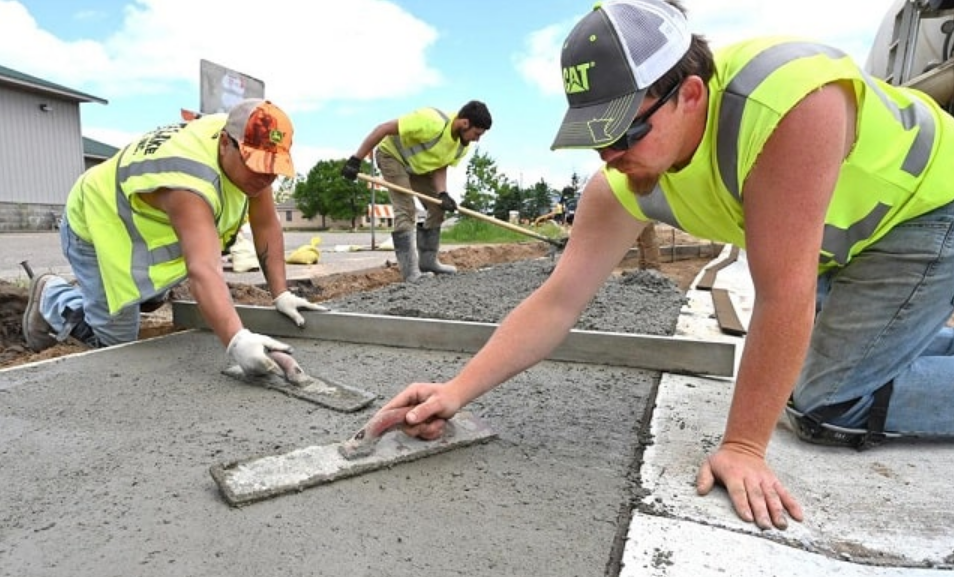
When it comes to home improvement, few projects require as much precision and timing as pouring concrete. While it may seem like a straightforward process of mixing and pouring, the environment plays a critical role in the final result. Whether you are installing a new driveway, a patio, or a foundation, understanding the relationship between the atmosphere and your building materials is essential. If you are working with a professional concrete contractor Bridgeville PA, they will tell you that the forecast is just as important as the mix design itself.
Successful concrete work depends on a chemical process called hydration, where water molecules react with cement particles to create a hardened structure. When weather conditions interfere with this process, the structural integrity and aesthetic finish of the project are at risk.
The Role of Temperature in Concrete Placement
Temperature is perhaps the most significant environmental factor in masonry and flatwork. Ideally, concrete should be poured when temperatures are between 50°F and 75°F.
High Heat and Rapid Evaporation
When the sun is blazing and temperatures soar, the water in the concrete mix evaporates too quickly. This leads to several issues:
-
Shrinkage Cracking: As water leaves the mix faster than the concrete can gain strength, "plastic shrinkage cracks" often appear on the surface.
-
Reduced Workability: High heat causes the concrete to set faster, giving the crew less time to finish the surface properly.
-
Lower Final Strength: While heat accelerates the initial set, it can actually result in a weaker structure over the long term because the hydration process was "rushed."
Cold Weather Challenges
Conversely, cold weather brings its own set of problems. If the temperature drops below freezing (32°F), the water inside the wet concrete can freeze. Since water expands when it freezes, it can shatter the internal bond of the cement before it has even hardened. Experts like Peak Precision Contracting utilize insulated blankets or heated enclosures to ensure the slab stays warm enough to cure properly during the late autumn or early winter months.
Humidity and Moisture Control: What You Should Know
Humidity levels determine how quickly moisture leaves the concrete slab. In very humid environments, the concrete stays wet longer, which can delay the finishing process. However, low humidity—especially when combined with wind—is often more dangerous.
A dry breeze acting on a fresh pour acts like a vacuum, pulling moisture out of the top layer. This creates a crust on the surface while the bottom remains soft, leading to "curing differentials" that cause curling or dusting. To prevent this, contractors often use evaporation retardants or fine mists of water to keep the surface hydrated during the critical first few hours.
Dealing with Rain and Unexpected Storms
Rain is the natural enemy of fresh concrete. If a heavy downpour occurs shortly after a pour, the excess water mixes into the top layer of the slab. This thins out the cement paste, leading to a weak, sandy surface that will likely scale or peel within a year or two.
A seasoned concrete contractor Bridgeville PA will always monitor the radar closely. If rain is imminent, the project is typically rescheduled. If an unexpected light drizzle occurs, the area must be covered immediately with plastic sheeting to prevent water from pitting the finish or compromising the water-to-cement ratio.
The Importance of the Curing Phase
Installation is only half the battle; curing is where the magic happens. Curing is the period after the concrete has been placed and finished, during which it maintains its moisture and temperature to develop strength.
Why Curing Compounds Matter
In many residential and commercial projects, professionals apply a curing compound—a liquid film that seals the moisture inside the slab. This is particularly vital during windy or dry days. Without proper moisture retention, the concrete may only reach a fraction of its intended PSI (pounds per square inch) strength.
Timing the Traffic
Weather also dictates how long you must wait before using your new surface. In optimal conditions, you can typically walk on concrete after 24 hours, but heavy vehicle traffic should wait at least 7 to 10 days. If the weather has been exceptionally cold or damp, these timelines may need to be extended to ensure the material has reached sufficient density.
Subgrade Preparation and Soil Conditions
The weather doesn't just affect the concrete; it affects the ground beneath it. If the soil is saturated from weeks of rain, it may not provide a stable base, leading to sinking or shifting later on. Similarly, pouring concrete on frozen ground is a recipe for disaster. As the ground thaws, it settles unevenly, causing the rigid concrete slab to crack under the pressure of its own weight.
Proper site preparation involves ensuring the subbase is compacted, dry, and at a temperature compatible with the pour. This foundation work is what separates a DIY project from a professional installation that lasts for decades.
Choosing the Right Local Expert
Managing these variables requires experience and local knowledge. Each region has its own microclimate that dictates the best times of year for outdoor construction. By choosing a team that understands the specific soil types and seasonal shifts of the area, you ensure that your investment is protected against the elements.
From selecting the right chemical admixtures to timing the pour around the afternoon humidity, every decision made on the job site impacts the longevity of your driveway, sidewalk, or retaining wall. Proper weather management isn't just a recommendation—it is a requirement for high-quality masonry.
- Digital Agency
- Literie
- Location de voitures
- Restaurant
- Restaurant
- Mode
- Mode
- Information
- Marketing
- Tourisme
- Développement
- Découverte
- Législation
- Gastronomie
- Pâtisserie
- Event
- Art
- Causes
- Crafts
- Dance
- Drinks
- Film
- Fitness
- Food
- Games
- Gardening
- Health
- Home
- Literature
- Music
- Networking
- Other
- Party
- Religion
- Shopping
- Sports
- Theater
- Wellness
 English
 Indian
 French
 Arabic
 Spanish
 Portuguese
 Deutsch
 Turkish
 Dutch
Dutch
 Italiano
 Russian
 Romaian
 Portuguese (Brazil)
 Greek
Greek
