


The Hidden Dangers of Unsafe Machinery and Poor Maintenance
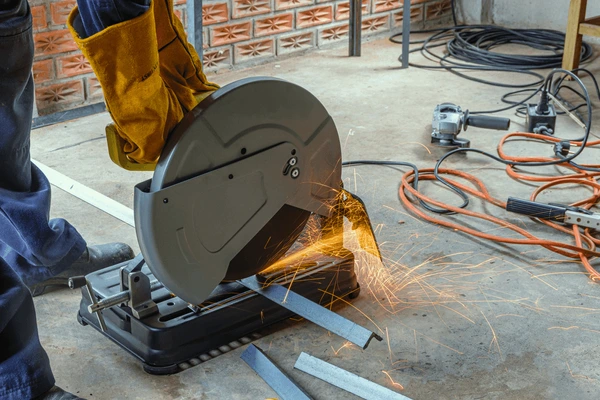
In any industrial or construction setting, machinery is the backbone of operations. Yet, even the most advanced equipment can pose serious threats if not used safely or maintained properly. Imagine a busy manufacturing plant where machines operate nonstop, day after day. One minor oversight—a loose guard, a worn belt, or delayed inspection—can escalate into a severe accident, threatening both human life and productivity. This scenario illustrates why understanding machinery risks is not optional but essential for every safety-conscious professional.
When assessing workplace hazards, safety managers often consider equipment hazards but overlook the cumulative effects of poor maintenance. Regular checks, timely servicing, and strict adherence to operational protocols dramatically reduce risks. To equip professionals with the knowledge to prevent such incidents, awareness about safety regulations and proper training is crucial. Many organizations now emphasize structured programs and certification courses. In this context, IOSH Course fees often become a relevant consideration for professionals seeking formal safety training while understanding machinery risks in depth.
Understanding Machine Operation Risks
Machinery hazards are not always obvious. Unsafe operation can stem from various sources:
1. Mechanical Failures
Wear and tear over time—friction, fatigue, or misalignment—can cause unexpected machine breakdowns. For instance, a lathe without proper lubrication may seize unexpectedly, putting the operator at risk of severe injury.
2. Human Error
Even skilled operators make mistakes under pressure or fatigue. Overriding safety controls or neglecting lockout procedures can turn routine tasks into dangerous situations.
3. Environmental Factors
Workplace conditions, such as poor lighting, slippery floors, or cluttered areas, exacerbate risks. A simple misstep near moving machinery can lead to catastrophic outcomes.
4. Lack of Training
Operators unfamiliar with a machine’s specific safety mechanisms are more likely to bypass critical precautions. This is why formal education, such as IOSH-certified training, plays a vital role.
The Consequences of Poor Machinery Maintenance
Neglecting maintenance is often a hidden risk factor. The consequences can be devastating:
-
Increased Injury Rates: Faulty equipment leads to unexpected malfunctions. Injuries range from minor cuts to fatal accidents.
-
Downtime and Productivity Loss: Even minor malfunctions can halt operations, delaying projects and affecting profitability.
-
Legal and Compliance Risks: Organizations may face penalties if maintenance lapses violate OSHA or local workplace safety regulations.
-
Reputation Damage: Frequent accidents harm a company’s reputation, making recruitment and client trust challenging.
A real-life example: In a mid-sized metal fabrication factory, delayed replacement of worn drive belts led to a machine snapping unexpectedly. The operator sustained serious injuries, while the factory faced a two-week operational shutdown. This incident underscores the importance of routine maintenance and proactive hazard assessment.
Key Risk Factors to Monitor
Identifying and mitigating hidden risks requires vigilance. Safety officers should focus on:
1. Guarding and Safety Devices
-
Ensure all moving parts have proper guards.
-
Verify emergency stop buttons are functional and easily accessible.
2. Scheduled Maintenance
-
Follow manufacturer-recommended maintenance schedules.
-
Use digital maintenance logs to track inspections and repairs.
3. Training and Certification
-
Ensure operators are certified and trained on the specific machine.
-
Encourage refresher courses to keep safety knowledge current.
4. Environmental Controls
-
Maintain clean, well-lit workspaces.
-
Remove tripping hazards and maintain safe walking zones around machines.
Practical Safety Measures for Operators
1. Before Operation
-
Conduct a pre-use inspection checklist.
-
Confirm safety devices are functional.
-
Wear appropriate PPE such as gloves, eye protection, and steel-toed boots.
2. During Operation
-
Never bypass interlocks or guards.
-
Avoid distractions and remain focused.
-
Communicate clearly with coworkers in the vicinity.
3. After Operation
-
Power down equipment according to procedures.
-
Clean and maintain work areas to prevent hazards.
-
Report any issues or irregularities immediately.
These simple yet structured practices dramatically reduce risks, even in high-pressure environments.
The Role of Safety Training and Certification
Formal safety training equips professionals with the skills to recognize, evaluate, and mitigate machinery hazards. For example, enrolling in a recognized IOSH program gives operators and safety managers comprehensive insights into:
-
Machinery hazard identification
-
Risk assessment techniques
-
Accident prevention strategies
-
Legal and compliance requirements
When considering enrollment, it’s important to understand IOSH Course duration and fee. This helps professionals plan their learning pathway and select courses that balance quality, accessibility, and time commitment. Many training providers now offer blended or online options, making professional development more convenient without compromising learning outcomes.
FAQs About Machinery Safety and Training
Q1: What is the most common cause of machinery accidents?
A: Mechanical failure, often compounded by human error or inadequate maintenance, is the leading cause of accidents in industrial settings.
Q2: How often should machinery be inspected?
A: Inspection frequency depends on manufacturer guidelines, but daily visual checks and scheduled preventive maintenance are standard best practices.
Q3: Can safety training really reduce machine-related injuries?
A: Absolutely. Studies show that formal training programs significantly lower accident rates by teaching hazard recognition and safe operating practices.
Q4: What PPE is essential when operating machinery?
A: Depending on the machine, operators typically require gloves, eye and ear protection, steel-toed boots, and sometimes full-body protective garments.
Q5: Are online IOSH courses effective for learning machinery safety?
A: Yes. Online IOSH courses provide structured learning modules, practical scenarios, and assessment tools that prepare professionals effectively while allowing flexible schedules.
Conclusion
Unsafe machinery and poor maintenance remain hidden hazards that can result in severe injuries, operational delays, and legal complications. Awareness, proactive risk management, and structured training are key defenses. Professionals equipped with the right knowledge—through certifications and continuous learning—can transform workplace safety, protecting themselves and their teams.
By prioritizing maintenance schedules, monitoring hazards, enforcing safety protocols, and investing in professional training such as IOSH courses, organizations can create a safer, more efficient work environment. Whether you are a seasoned operator, a safety officer, or a workplace manager, understanding these hidden risks is not just beneficial—it’s essential.
- Digital Agency
- Literie
- Location de voitures
- Restaurant
- Restaurant
- Mode
- Mode
- Information
- Marketing
- Tourisme
- Développement
- Découverte
- Législation
- Gastronomie
- Pâtisserie
- Event
- Art
- Causes
- Crafts
- Dance
- Drinks
- Film
- Fitness
- Food
- Games
- Gardening
- Health
- Home
- Literature
- Music
- Networking
- Other
- Party
- Religion
- Shopping
- Sports
- Theater
- Wellness
 English
 Indian
 French
 Arabic
 Spanish
 Portuguese
 Deutsch
 Turkish
 Dutch
Dutch
 Italiano
 Russian
 Romaian
 Portuguese (Brazil)
 Greek
Greek
