


How to Prepare Your Car for Scrap Removal in Calgary
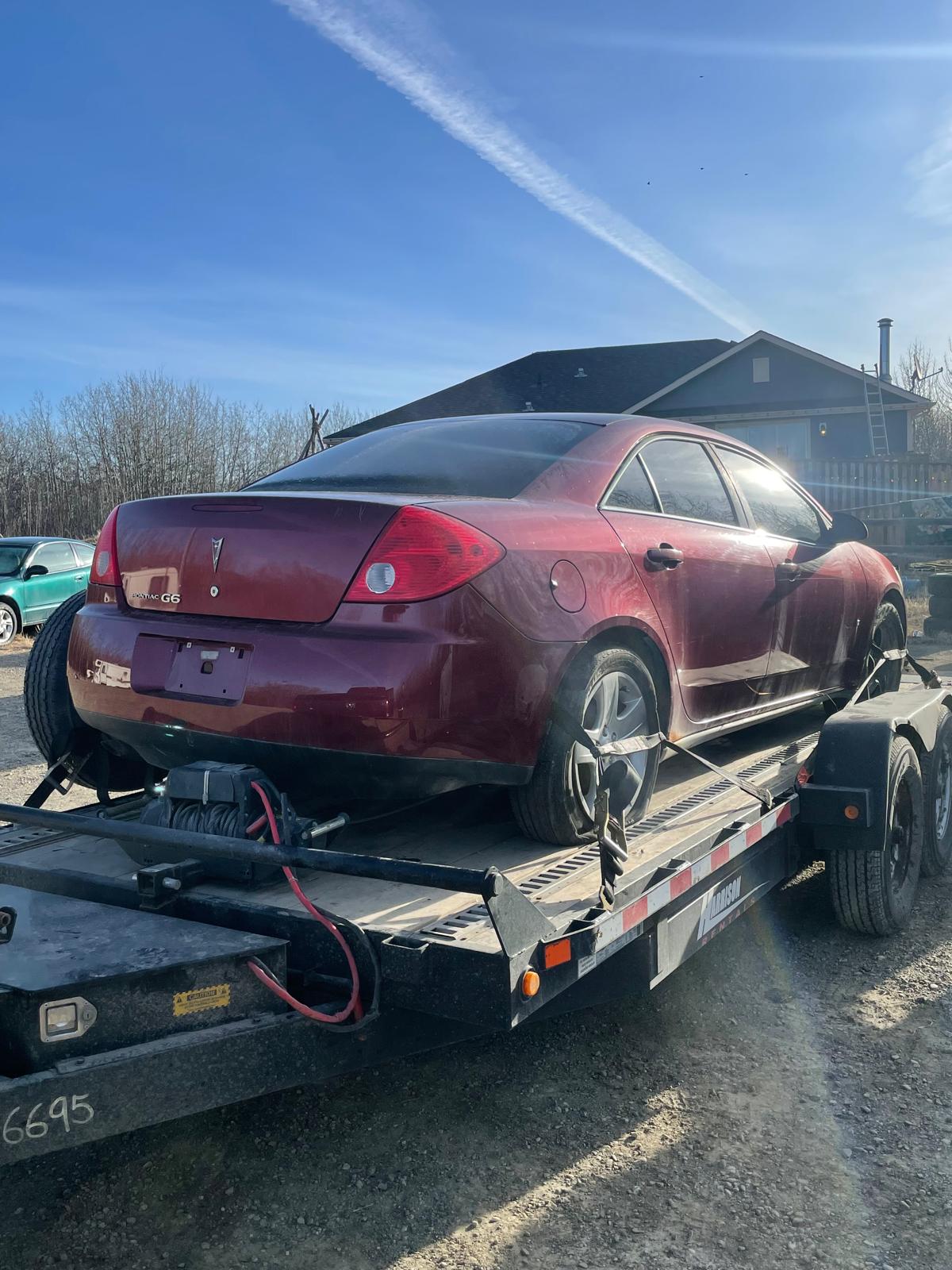
Deciding to scrap your vehicle is often the end of a long journey. Perhaps the car has been sitting in your driveway for months, its battery dead and its tires slowly deflating. Maybe it failed a safety inspection so catastrophically that repair costs dwarfed its value. Or perhaps you simply reached that moment of clarity where you realized the old vehicle was never going to be restored to its former glory. Whatever the reason, scrapping a car is a practical, environmentally responsible solution. But before you call a removal service and watch the flatbed truck haul it away, there are important steps to take. Properly preparing your car for scrap removal in Calgary ensures a smooth transaction, protects your privacy, maximizes your cash offer, and prevents future legal or financial complications. The process is straightforward, but attention to detail makes all the difference.
Why Preparation Matters
At first glance, scrapping a car might seem as simple as handing over the keys and collecting cash. While that is the essence of the transaction, failing to prepare properly can lead to several undesirable outcomes. You may leave personal information in the vehicle that could be accessed by subsequent owners. You might inadvertently surrender aftermarket parts or personal belongings that hold significant value. You could overlook paperwork that leaves the vehicle legally in your name, exposing you to liability for parking tickets, toll violations, or even accidents involving the vehicle after it leaves your possession. Proper preparation eliminates these risks and ensures you receive fair compensation without complications.
Step 1: Gather and Organize Documentation
The most critical aspect of preparing your car for scrap removal is ensuring you have the correct paperwork. In Alberta, transferring ownership of a vehicle—even for scrap—requires proper documentation. Without it, a reputable scrap removal service cannot legally take possession of your vehicle.
What You Typically Need
· Certificate of Title or Bill of Sale: This is the primary document proving ownership. If you have the original title, locate it before the removal appointment. If the title has been lost or misplaced, contact your local registry office to obtain a replacement or alternative ownership documentation.
· Vehicle Registration: While not always strictly required if you have the title, having your registration available provides additional proof of ownership and helps verify the vehicle’s details.
· Government-Issued Identification: The buyer will need to verify your identity to complete the transfer. A driver’s license or provincial ID card is sufficient.
Special Situations
If the vehicle is not in your name—perhaps it belongs to a deceased family member, you purchased it without completing the transfer, or it was abandoned on your property—different documentation may be required. Reputable scrap removal services in Calgary are familiar with these scenarios and can guide you through the necessary steps. However, addressing these issues before the scheduled pickup prevents delays.
Step 2: Remove Personal Belongings
It is surprisingly common for personal items to remain in vehicles that are scrapped. Over time, glove compartments, trunks, and under-seat storage areas become repositories for items that are easily forgotten. Before the scrap removal team arrives, conduct a thorough search of every compartment.
Areas to Check
· Glove compartment and center console
· Trunk, including under the floor mat and in side compartments
· Under all seats, including the driver’s seat
· Door pockets and sun visors
· Behind the rear seats or in cargo areas
· Any aftermarket storage additions
Items Commonly Left Behind
· Vehicle registration and insurance documents
· Garage door openers
· Spare keys
· Sunglasses and prescription eyewear
· USB cables and phone chargers
· Emergency supplies (first aid kits, jumper cables, flares)
· Personal electronics
· Important paperwork or mail
· Children’s items and toys
· Tools and equipment
Removing these items protects your privacy and saves you the frustration of realizing weeks later that something valuable was inadvertently scrapped along with the vehicle.
Step 3: Remove Aftermarket Parts and Accessories
Not all components of your vehicle hold equal value. Aftermarket parts—those you installed after purchasing the vehicle—often have value that exceeds what a scrap buyer will credit you for. In many cases, you can remove these parts and sell them separately for a better return.
Parts Worth Removing
· Aftermarket wheels and tires: If you have upgraded rims or high-performance tires, consider swapping them for a set of basic wheels before scrapping. High-quality aftermarket wheels can be sold online or to automotive enthusiasts.
· Performance parts: Cold air intakes, upgraded exhaust systems, performance chips, and suspension modifications often have resale value.
· Sound systems: Premium speakers, subwoofers, amplifiers, and head units can be removed and sold independently.
· Accessories: Roof racks, bike carriers, trailer hitches, and running boards are often valued by buyers.
· Batteries: If you recently purchased a new battery, you may choose to remove it for use in another vehicle or to return for a core deposit.
What to Consider Before Removing
Before you start unbolting parts, consider the scrap buyer’s valuation. Some buyers factor in these components when making their offer. If you remove a high-value part after receiving a quote based on the vehicle’s complete condition, the offer may be adjusted accordingly. Communicate with the buyer about which parts you intend to keep to ensure transparency and avoid surprises.
Step 4: Remove License Plates
In Alberta, license plates belong to the vehicle owner, not the vehicle itself. When you scrap a car, you should remove the license plates before the vehicle is taken away.
Why This Matters
· Insurance Cancellation: You will need to return your license plates to a registry agent or cancel your insurance coverage. Keeping the plates prevents them from being used on another vehicle without your knowledge.
· Avoiding Liability: If the plates remain on the scrapped vehicle and are subsequently used improperly, you could be held responsible for toll violations, parking tickets, or even traffic infractions.
Once the plates are removed, cancel your insurance coverage and, if applicable, return the plates to a registry office to complete the process.
Step 5: Drain Fluids? Leave It to the Professionals
One common question among sellers is whether they should drain fluids from the vehicle before scrap removal. The answer is straightforward: leave fluid removal to the licensed scrap processor.
Professional scrap removal services and recycling facilities are equipped to drain and dispose of all vehicle fluids—engine oil, transmission fluid, coolant, brake fluid, power steering fluid, and refrigerants—in compliance with environmental regulations. Attempting to drain these fluids yourself not only creates a mess but also poses environmental and safety risks. Improper disposal of automotive fluids is illegal and can result in significant fines.
Reputable scrap buyers handle fluid removal as part of their recycling process, ensuring that hazardous materials are managed responsibly.
Step 6: Cancel Insurance and Registration
Once your vehicle has been picked up and payment has been exchanged, you need to officially remove it from your records.
Canceling Insurance
Contact your insurance provider immediately after the vehicle leaves your possession. Provide them with the date of sale or transfer. Continuing to insure a vehicle you no longer own is an unnecessary expense, and failing to cancel coverage promptly may complicate future insurance applications.
Notifying the Registry
While the transfer of ownership documentation completed at pickup formally removes the vehicle from your name, it is good practice to confirm with your local registry agent that the vehicle is no longer associated with your record. This provides peace of mind and ensures you are not held responsible for any future matters involving the vehicle.
Step 7: Clean Up the Vehicle’s Location
After the vehicle is removed, take a moment to clean the area where it was parked. Vehicles often leave behind stains from leaks, debris from accumulated dirt, and remnants of parts or personal items. Cleaning the space not only improves your property’s appearance but also allows you to identify any items that may have fallen beneath or around the vehicle during its time there.
What Not to Do Before Scrap Removal
While preparing your car, there are a few actions that can complicate the process.
Do Not Remove the Catalytic Converter
Catalytic converters contain precious metals and are valuable components. However, removing them before scrap removal is problematic. Scrap buyers evaluate vehicles based on their complete condition, and a missing catalytic converter significantly reduces the offer. Additionally, catalytic converter theft is a growing concern, and buyers are cautious about vehicles presented without them. If you intend to remove this component, disclose it to the buyer upfront and adjust your expectations accordingly.
Do Not Strip the Vehicle Completely
A vehicle that has been extensively stripped—missing doors, hood, seats, or major mechanical components—holds significantly less value. Scrap buyers prefer complete vehicles because they streamline the recycling process and maximize material recovery. If you plan to remove parts, do so selectively and communicate with the buyer about the vehicle’s remaining condition.
Do Not Dispose of the Vehicle Without Proper Transfer
Simply allowing someone to tow away a vehicle without completing the official transfer of ownership is a serious mistake. The vehicle remains legally in your name, leaving you exposed to liability. Always complete the proper paperwork before the vehicle leaves your property.
Maximizing Your Cash Offer Through Preparation
Proper preparation does more than protect you from liability—it can also maximize the cash you receive. By removing valuable aftermarket parts for separate sale, ensuring the vehicle is accessible for pickup, and having all documentation ready, you present yourself as a prepared, reliable seller. Reputable scrap buyers appreciate this efficiency and are more likely to provide fair, transparent offers when the transaction proceeds smoothly.
Environmental Responsibility
When you properly prepare your vehicle for scrap removal in Calgary, you are also contributing to environmentally responsible practices. Professional recyclers ensure that hazardous fluids are drained and disposed of safely, that recyclable metals are reclaimed and reused, and that the remaining materials are processed in compliance with Alberta’s environmental standards. By choosing a reputable service and preparing your vehicle correctly, you become part of a sustainable solution that keeps automotive waste out of landfills.
Final Thoughts
Preparing your car for scrap removal in Calgary is a straightforward process that pays dividends in peace of mind, financial return, and legal protection. By gathering documentation, removing personal belongings and valuable aftermarket parts, canceling insurance and registration, and ensuring the vehicle is accessible, you set the stage for a seamless transaction. The small investment of time and attention required for proper preparation ensures that when the flatbed truck arrives, you can hand over the keys with confidence, collect your cash, and close this chapter without lingering loose ends. Scrapping a car is not just about disposing of an unwanted vehicle—it is about doing so responsibly, efficiently, and in a way that protects your interests from start to finish.
- Digital Agency
- Literie
- Location de voitures
- Restaurant
- Restaurant
- Mode
- Mode
- Information
- Marketing
- Tourisme
- Développement
- Découverte
- Législation
- Gastronomie
- Pâtisserie
- Evento
- Art
- Causes
- Crafts
- Dance
- Drinks
- Film
- Fitness
- Food
- Giochi
- Gardening
- Health
- Home
- Literature
- Music
- Networking
- Altre informazioni
- Party
- Religion
- Shopping
- Sports
- Theater
- Wellness
 Italiano
 Indian
 English
 French
 Arabic
 Spanish
 Portuguese
 Deutsch
 Turkish
 Dutch
Dutch
 Russian
 Romaian
 Portuguese (Brazil)
 Greek
Greek
