


Cash for Accident Vehicles in Calgary: What to Know Before Selling
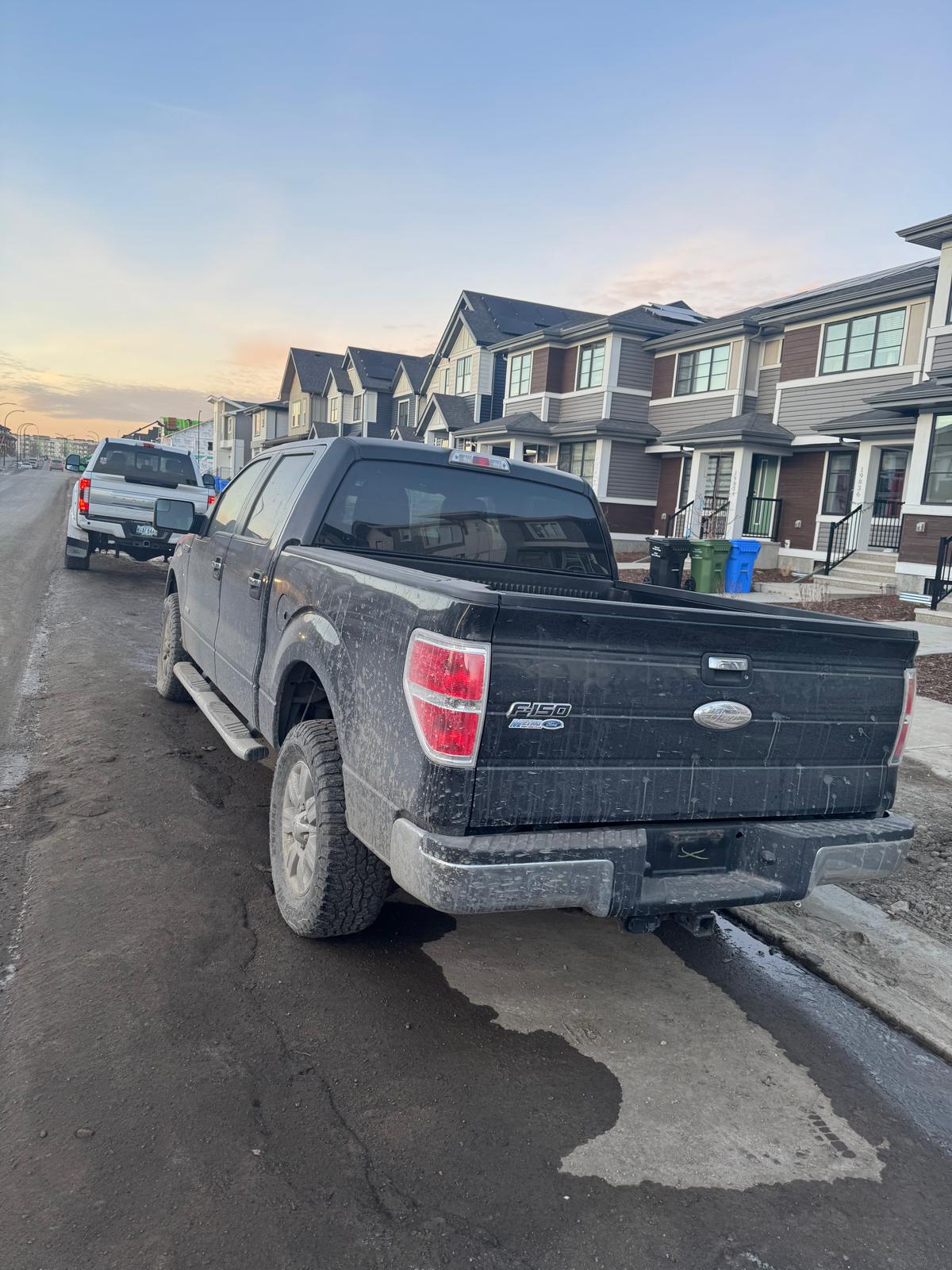
Few experiences are as stressful as dealing with a vehicle that has been in a collision. Whether it is a minor fender bender that left cosmetic damage or a major crash that rendered the car inoperable, the aftermath involves insurance claims, repair estimates, and difficult decisions about the vehicle’s future. If you find yourself staring at a damaged car in your driveway or a body shop lot, you may be wondering what options remain. Selling an accident vehicle for cash in Calgary is not only possible but can be a strategic move that saves you time, money, and ongoing frustration. However, before you accept the first offer that comes your way, there are critical factors to understand.
Understanding Your Vehicle's Status after an Accident
The first step in selling an accident-damaged vehicle understands its current classification. In Alberta, vehicles involved in collisions often fall into one of several categories, and knowing where yours fits will shape your selling strategy.
Repairable Vehicles
Some accident vehicles are structurally sound and economically viable to repair. These may have sustained cosmetic damage, such as dented panels, broken lights, or minor frame alignment issues. If the cost of repair does not exceed the vehicle’s pre-accident value, it may be considered repairable. Selling a repairable accident vehicle for cash can appeal to buyers who have the expertise to fix it and resell it for a profit.
Non-Repairable or Salvage Vehicles
When repair costs approach or exceed the vehicle’s market value, insurance companies often declare the vehicle a total loss. In Alberta, a vehicle is typically considered a total loss when damage exceeds 80 to 90 percent of its pre-accident value. These vehicles receive a salvage title or, in severe cases, are classified as non-repairable. Understanding this distinction is crucial because it affects who can buy the vehicle and what can be done with it.
Structural vs. Cosmetic Damage
Not all accident damage is created equal. Vehicles with frame damage, compromised unibody structures, or damage to critical safety components like airbags and seatbelt pretensioners present different challenges than those with purely cosmetic damage. Buyers specializing in accident vehicles evaluate these factors closely, and your transparency about the extent of damage will lead to more accurate offers.
The Insurance Maze: What to Resolve before Selling
Before you sell your accident vehicle for cash, it is essential to settle any outstanding matters with your insurance provider. Selling a vehicle prematurely can complicate claims or result in lost value.
If You Have Filed a Claim
If you have already filed an insurance claim for the accident, you must wait until the claim is resolved before selling the vehicle independently. In many cases, the insurance company will take ownership of the vehicle if they issue a total loss settlement. Attempting to sell the vehicle while a claim is pending can create legal and financial complications.
If You Retained Ownership After a Total Loss Settlement
When an insurer declares your vehicle a total loss, they typically offer you a settlement amount and take possession of the vehicle. However, you may have the option to retain the vehicle and accept a reduced settlement. This is known as a “owner-retained total loss.” In this scenario, the vehicle remains in your name, but it receives a salvage brand on its title. Selling a salvage-branded vehicle for cash is common, but buyers will need to know the vehicle’s status upfront.
If You Did Not File a Claim
If the accident was minor and you chose not to involve insurance, the vehicle likely still has a clean title. This can increase its appeal to certain buyers who may wish to repair and resell the vehicle without the complications of a salvage brand. However, you are legally obligated to disclose known damage to any buyer, whether an individual or a professional cash-for-cars service.
How Accident Vehicles Are Valued
The valuation process for accident-damaged vehicles differs significantly from that of running, undamaged cars. Professional cash-for-cars buyers in Calgary evaluate several key factors to determine a fair offer.
Extent and Location of Damage
The severity of damage directly impacts value. A vehicle with a crumpled rear quarter panel that requires sectioning and welding will be valued differently than one with a smashed front bumper and hood that can be replaced with bolt-on parts. Structural damage to the frame rails, firewall, or roof pillars typically reduces value more significantly than superficial body damage.
Airbag Deployment
Airbag deployment is one of the most costly post-accident repairs. Replacing deployed airbags, along with impact sensors, clocksprings, and control modules, can easily exceed several thousand dollars. Vehicles with deployed airbags often see lower cash offers because of the expense and complexity of proper restoration.
Mechanical and Drivetrain Integrity
Even if a vehicle has significant body damage, its mechanical components—engine, transmission, differentials, and transfer case—may remain intact and functional. Buyers assess whether the vehicle still runs and drives, as this affects both the ease of removal and the value of salvageable parts.
High-Value Components
Certain components retain substantial value even on heavily damaged accident vehicles. Catalytic converters, alloy wheels, intact glass, premium sound systems, and recently replaced parts can all contribute to the final offer. A vehicle that has sustained front-end damage but has a pristine interior and a healthy transmission may still command a competitive price.
Completeness and Accessibility
Vehicles that are complete and accessible command better offers. If your accident vehicle is sitting in a secure location with all its parts intact, the buyer can efficiently load and transport it. Conversely, vehicles buried in backyards, blocked by other vehicles, or missing key components may present logistical challenges that affect the offer.
The Selling Process: What to Expect
Selling an accident-damaged vehicle for cash in Calgary follows a straightforward process when you work with a reputable buyer.
Step 1: Gather Documentation
Before contacting buyers, assemble your vehicle’s documentation. This includes the registration, title or bill of sale, and any information about the accident or prior repairs. If the vehicle has been written off by insurance, be prepared to disclose its salvage status. Honesty at this stage prevents delays and ensures a smooth transaction.
Step 2: Provide Accurate Details
When reaching out to cash-for-cars services, provide detailed information about the vehicle’s condition. Include the year, make, model, mileage, and a clear description of the accident damage. Photographs of all four sides, the interior, and close-ups of the damage are helpful. Transparency about whether the vehicle runs, drives, or has deployed airbags will lead to a more accurate quote.
Step 3: Compare Offers
Reputable buyers will provide a free, no-obligation quote based on the information you provide. It is wise to obtain quotes from multiple services, but be cautious of offers that seem unusually high—they may be accompanied by hidden towing fees or last-minute reductions upon pickup. Established Calgary buyers with positive reviews and transparent practices are generally the safest choice.
Step 4: Schedule Pickup and Payment
Once you accept an offer, the buyer will arrange a pickup time. Most professional services include free towing or flatbed removal as part of the transaction, which is particularly valuable when dealing with a non-operational accident vehicle. At the time of pickup, you will complete the transfer of ownership paperwork and receive payment—typically in cash, certified funds, or electronic transfer.
Why Selling Accident Vehicles Requires Specialized Buyers
Not all cash-for-cars buyers are equipped to handle accident-damaged vehicles. Specialized buyers understand the complexities of salvage titles, structural damage assessments, and the legal requirements for transferring ownership of damaged vehicles. They also have established relationships with dismantlers, recyclers, and rebuilders who can properly process accident-damaged cars.
Working with a specialized buyer ensures that:
· The vehicle is properly removed from your name, preventing future liability
· Hazardous materials from the accident, such as broken glass and deployed airbag residues, are handled safely
· The vehicle is processed in compliance with Alberta’s salvage and recycling regulations
· You receive fair compensation that reflects the vehicle’s true salvage and parts value
Common Mistakes to Avoid
Selling Without Disclosing Damage
Failing to disclose accident damage can lead to legal disputes or a rescinded offer when the buyer inspects the vehicle. Transparency protects both parties and ensures a clean transaction.
Accepting the First Low Offer
Some less reputable buyers may attempt to capitalize on your urgency by offering far below market value. Taking the time to obtain multiple quotes often results in significantly better outcomes.
Overlooking Towing Costs
If you are selling to a buyer who does not offer free towing, the cost of transporting a non-operational accident vehicle can eat into your net proceeds. Always confirm whether towing is included in the quoted offer.
Ignoring Paperwork
Proper transfer of ownership is non-negotiable. Selling without completing the required paperwork leaves the vehicle legally in your name, exposing you to parking tickets, toll violations, or liability if the vehicle is involved in future incidents.
Environmental and Safety Considerations
Accident-damaged vehicles often contain compromised safety systems, leaking fluids, and shattered glass that pose environmental and safety hazards. Professional buyers ensure that these vehicles are drained of fluids, decommissioned safely, and recycled in accordance with environmental regulations. By choosing a reputable service, you contribute to responsible automotive recycling and prevent hazardous materials from entering Calgary’s soil and waterways.
Final Thoughts
Selling an accident vehicle for cash in Calgary is a viable, practical solution for anyone facing the aftermath of a collision. Whether your car sustained minor cosmetic damage or was declared a total loss by insurance, specialized buyers are ready to provide fair compensation while handling the logistics of removal and proper disposal. The key to a successful transaction lies in understanding your vehicle’s status, resolving insurance matters upfront, and working with a transparent, reputable buyer who values honesty and provides clear, upfront pricing.
Your accident-damaged vehicle does not have to become a permanent fixture in your life. With the right approach, it can be transformed into cash, freeing you from storage costs, insurance payments, and the ongoing stress of dealing with a damaged car. Take the time to understand your options, gather your documentation, and partner with a trusted Calgary cash-for-cars service that specializes in accident vehicles. The result is a smooth, fair transaction that allows you to move forward with confidence.
- Digital Agency
- Literie
- Location de voitures
- Restaurant
- Restaurant
- Mode
- Mode
- Information
- Marketing
- Tourisme
- Développement
- Découverte
- Législation
- Gastronomie
- Pâtisserie
- Evenement
- Art
- Causes
- Crafts
- Dance
- Drinks
- Film
- Fitness
- Food
- Jeux
- Gardening
- Health
- Domicile
- Literature
- Music
- Networking
- Autre
- Party
- Religion
- Shopping
- Sports
- Theater
- Wellness
 French
 Indian
 English
 Arabic
 Spanish
 Portuguese
 Deutsch
 Turkish
 Dutch
Dutch
 Italiano
 Russian
 Romaian
 Portuguese (Brazil)
 Greek
Greek
