


Gastric Cancer: Early Symptoms, Causes, and Treatment Options Explained
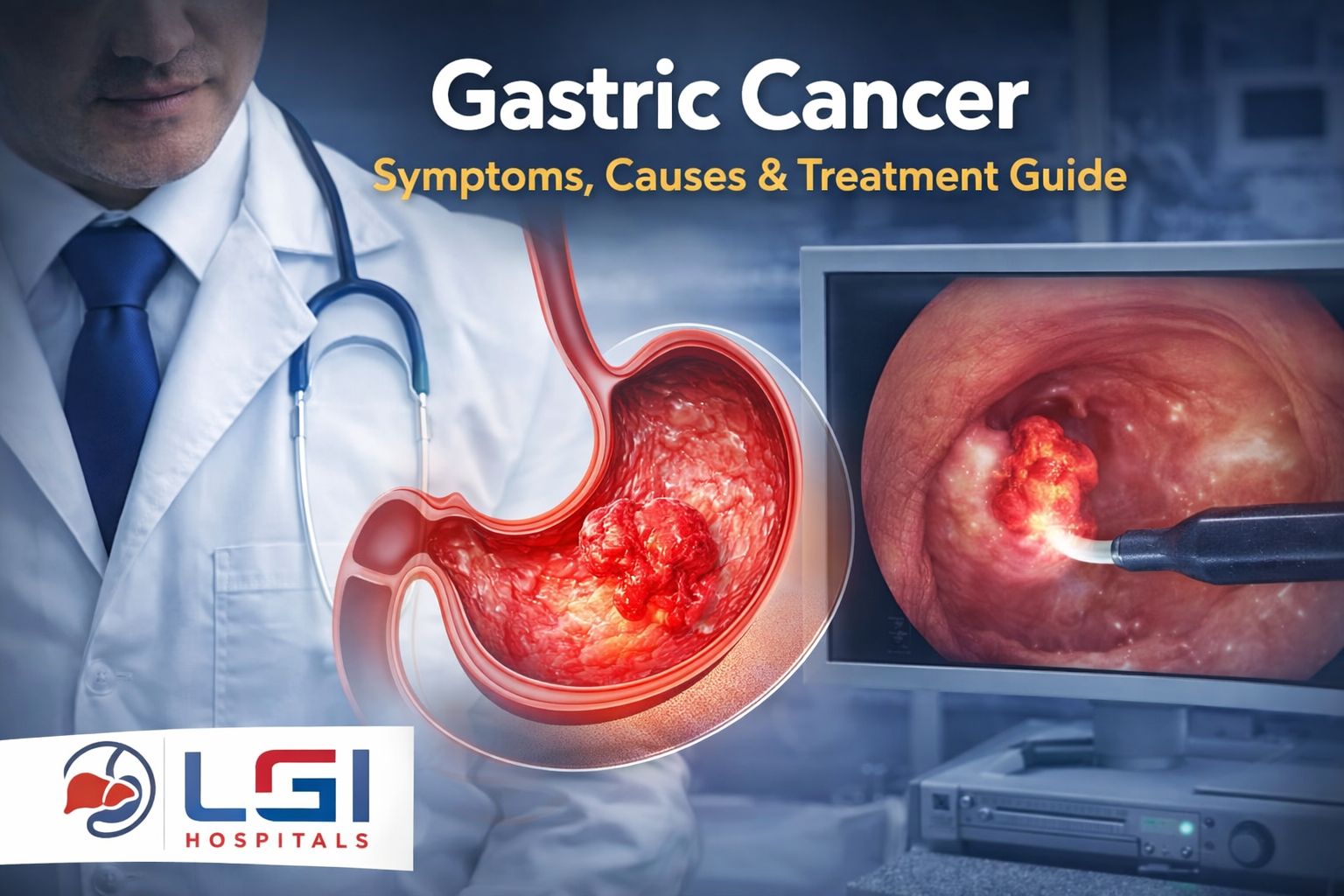
Understanding Gastric Cancer
Gastric cancer, also known as stomach cancer, develops in the lining of the stomach and can gradually spread to other parts of the digestive system if not detected early. It is one of the most common gastrointestinal cancers and often goes unnoticed in its initial stages due to mild or vague symptoms.
In India, cases of gastric cancer are increasing, largely due to lifestyle factors, dietary habits, and delayed diagnosis. Early awareness and timely medical intervention play a crucial role in improving survival rates.
At LGI Hospitals, specialists focus on early detection and comprehensive care to help patients manage gastric cancer effectively.
Early Symptoms of Gastric Cancer
One of the biggest challenges with gastric cancer is that its early symptoms are often mistaken for common digestive issues. However, recognizing these signs early can lead to faster diagnosis and better outcomes.
Common early symptoms include:
-
Persistent indigestion or acidity
-
Bloating after meals
-
Loss of appetite
-
Unexplained weight loss
-
Nausea or vomiting
-
Mild abdominal discomfort
As the disease progresses, symptoms may become more severe, including difficulty swallowing, fatigue, and blood in vomit or stool.
If you experience ongoing digestive issues, it is important to consult a gastric cancer specialist for proper evaluation.
Causes and Risk Factors
There is no single cause of gastric cancer, but several risk factors can increase the likelihood of developing it.
Lifestyle Factors
-
Smoking and alcohol consumption
-
Diet high in processed or smoked foods
-
Low intake of fruits and vegetables
Medical Conditions
-
Chronic gastritis
-
Helicobacter pylori (H. pylori) infection
-
Long-term acid reflux
Genetic Factors
Family history of gastric cancer can also increase risk.
Understanding these risk factors allows individuals to take preventive measures and seek early medical advice.
At LGI Hospitals, advanced diagnostic tools are used to identify these risks and detect early-stage disease.
Types of Gastric Cancer
Gastric cancer can develop in different parts of the stomach and may vary in behavior and treatment approach.
Adenocarcinoma
The most common type, originating in the stomach lining.
Lymphoma
Affects the immune tissue in the stomach.
Gastrointestinal Stromal Tumors (GIST)
A rare form of tumor that develops in the stomach wall.
Each type requires specialized diagnosis and treatment, making expert care essential for effective management.
Importance of Early Diagnosis
Early detection significantly improves the chances of successful treatment in gastric cancer. Unfortunately, many patients seek medical help only after symptoms become severe.
Diagnostic methods include:
-
Endoscopy to examine the stomach lining
-
Biopsy to confirm cancer
-
CT scans and imaging tests
-
Blood tests for overall assessment
Timely screening helps detect abnormalities before they progress into advanced stages.
Patients experiencing symptoms can schedule a medical consultation to receive early evaluation and expert guidance.
Treatment Options for Gastric Cancer
Treatment for gastric cancer depends on the stage of the disease, the patient’s health condition, and the location of the tumor.
Surgery
Surgical removal of the tumor is one of the most effective treatments, especially in early stages.
Chemotherapy
Used to destroy cancer cells or reduce tumor size.
Radiation Therapy
Targets cancer cells using high-energy radiation.
Targeted Therapy
Focuses on specific cancer cells while minimizing damage to healthy tissues.
Patients can explore advanced gastric cancer surgery options to receive specialized treatment.
At LGI Hospitals, a multidisciplinary approach ensures that each patient receives personalized care tailored to their condition.
When Should You See a Doctor?
Many people ignore early symptoms of gastric cancer, assuming they are minor digestive issues. However, certain warning signs should never be overlooked.
You should consult a doctor if you experience:
-
Persistent stomach pain or discomfort
-
Difficulty eating or swallowing
-
Sudden weight loss
-
Continuous nausea or vomiting
-
Blood in stool or vomit
Early consultation at LGI Hospitals can help detect the disease at an early stage and improve treatment outcomes.
Prevention and Lifestyle Changes
While not all cases of gastric cancer can be prevented, certain lifestyle changes can reduce risk:
-
Eat a balanced diet rich in fruits and vegetables
-
Avoid processed and smoked foods
-
Quit smoking and limit alcohol consumption
-
Maintain a healthy weight
-
Get regular health check-ups
These preventive measures can significantly lower the risk of developing gastric cancer.
Why Specialized Care Is Important
Treating gastric cancer requires a combination of expertise, advanced technology, and coordinated care. From diagnosis to recovery, every stage of treatment needs careful attention.
At LGI Hospitals, patients benefit from:
-
Advanced diagnostic facilities
-
Experienced gastroenterologists and surgeons
-
Personalized treatment plans
-
Comprehensive post-treatment care
This integrated approach ensures better outcomes and improved quality of life for patients.
Final Thoughts
Gastric cancer is a serious condition, but early detection and proper treatment can make a significant difference. Understanding the symptoms, causes, and treatment options empowers individuals to take timely action.
If you or your loved ones experience persistent digestive symptoms, do not ignore them. Seeking expert care at the right time can be life-saving.
With specialized services and patient-focused care, LGI Hospitals continues to support patients through every stage of their gastric cancer journey.
- Digital Agency
- Literie
- Location de voitures
- Restaurant
- Restaurant
- Mode
- Mode
- Information
- Marketing
- Tourisme
- Développement
- Découverte
- Législation
- Gastronomie
- Pâtisserie
- Evenement
- Art
- Causes
- Crafts
- Dance
- Drinks
- Film
- Fitness
- Food
- Jeux
- Gardening
- Health
- Domicile
- Literature
- Music
- Networking
- Autre
- Party
- Religion
- Shopping
- Sports
- Theater
- Wellness
 French
 Indian
 English
 Arabic
 Spanish
 Portuguese
 Deutsch
 Turkish
 Dutch
Dutch
 Italiano
 Russian
 Romaian
 Portuguese (Brazil)
 Greek
Greek
