


Digital Signage in Malaysia: Key Trends Shaping the Market
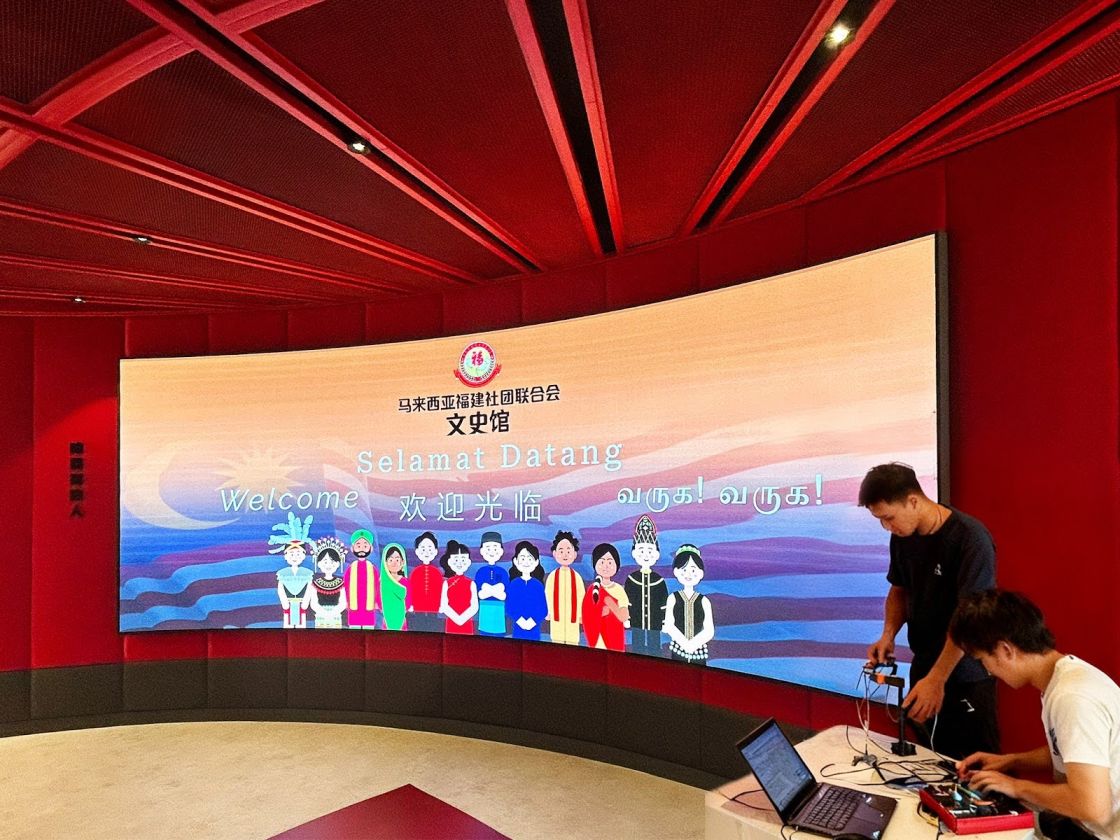
Walk through any shopping mall in Kuala Lumpur or step into a corporate lobby in Petaling Jaya, and you'll notice something has changed. Static posters and printed banners are giving way to vivid, high-resolution screens delivering real-time content, interactive experiences, and data-driven messaging. The adoption of digital signage Malaysia has accelerated sharply over the past few years, driven by falling hardware costs, greater internet connectivity, and growing demand for more dynamic customer communication.
This post breaks down the most significant trends, applications, and innovations shaping Malaysia's digital signage landscape—and what businesses should be thinking about as this technology continues to mature.
What's Driving the Shift Toward Digital Displays
The global digital signage market has been on a consistent upward trajectory, and Malaysia is no exception. Several forces are converging to make digital displays more accessible and more compelling for local businesses.
Cloud-based content management systems have been a major catalyst. Rather than requiring on-site IT expertise to update screens, businesses can now manage entire networks of displays remotely from a single dashboard. A retailer with outlets across Kuala Lumpur, Penang, and Johor Bahru can push a promotional update to all locations simultaneously—saving both time and operational overhead.
Consumer expectations have shifted too. Audiences are accustomed to personalised, dynamic content on their smartphones and laptops, and they increasingly expect the same responsiveness in physical environments. Static signage, by comparison, feels passive and out of step.
Current Trends Worth Watching
Interactive Displays
Touchscreen and gesture-based displays are becoming increasingly common across Malaysian malls, airports, and public spaces. These installations allow users to browse products, access wayfinding information, or explore content at their own pace—creating a more engaging and self-directed experience.
Interactive displays are particularly effective in high-footfall areas where standard advertising competes heavily for attention. Giving a viewer something to do with the screen, rather than simply look at it, dramatically increases dwell time and message retention.
3D Anamorphic Content
One of the more visually striking innovations to emerge in recent years is 3D anamorphic digital signage—large-scale displays that create the illusion of three-dimensional objects projecting out from the screen. Cities like Kuala Lumpur have already seen early installations of this format, particularly in retail and entertainment precincts.
The format is especially effective for brand activations and product launches. It generates organic social sharing, extending the reach of a campaign well beyond the physical location of the screen.
Cloud-Based Content Management
Flexibility is the defining feature of modern digital signage systems. Cloud platforms allow businesses to schedule content in advance, tailor messaging by time of day or audience demographic, and monitor screen performance in real time. For multi-site operators, this kind of centralised control is not just convenient—it's essential.
How Different Industries Are Adopting Digital Signage
Retail
Malaysian retailers are using digital signage to bridge the gap between in-store and digital shopping experiences. Dynamic pricing boards, product highlight reels, and queue management screens all serve to reduce friction and improve the customer journey. Some larger chains have integrated loyalty programme data into their signage, allowing screens to display relevant promotions based on shopper profiles.
Corporate Environments
In office buildings and co-working spaces, digital displays serve a different but equally important function. Internal communications—everything from meeting room availability to company KPIs—can be surfaced on screens throughout the workplace, reducing reliance on email and improving information flow.
Corporate signage also plays a role in first impressions. A well-designed lobby display says something meaningful about a company's culture and capabilities before a single conversation takes place.
Healthcare
Hospitals and clinics across Malaysia have adopted digital signage primarily to manage patient communication and reduce perceived waiting times. Queue number displays, health information loops, and wayfinding screens help patients navigate complex facilities more confidently—and free up administrative staff from answering repetitive directional questions.
The Role of AI, IoT, and Data Analytics
The next generation of digital signage is not just about better screens—it's about smarter systems. Artificial intelligence is enabling content to respond to real-world conditions in real time. Cameras with audience analytics can detect the approximate age range and gender of viewers, triggering content that is statistically more relevant to that demographic.
IoT integration takes this further. Screens can respond to environmental data—weather conditions, traffic levels, time of day—automatically adjusting messaging to match the context. A café near a business district might display a coffee promotion during the morning commute and shift to a lunch menu offer by midday, all without any manual input.
Data analytics closes the loop. Businesses can track engagement metrics, compare content performance across locations, and make evidence-based decisions about future campaigns. For organisations accustomed to running largely intuition-based marketing, this level of insight represents a meaningful step forward.
Challenges Facing Local Enterprises
Despite the clear benefits, adoption is not without friction. Hardware costs remain a significant barrier for smaller businesses, particularly those operating with tight margins. High-quality commercial-grade displays represent a notable upfront investment, and the ongoing cost of content production can be underestimated.
Technical maintenance is another practical concern. Screens in high-footfall environments are subject to heavy use, and businesses without dedicated IT support may find troubleshooting time-consuming. Choosing vendors who offer strong local after-sales service is therefore an important consideration.
The good news is that the market is responding. Entry-level cloud-based systems have become more affordable, and a growing number of local providers now offer managed service models—where hardware, software, and content management are bundled into a predictable monthly fee. This removes much of the complexity and capital risk from the equation.
What the Next Five Years Look Like
Malaysia's digital signage market is expected to continue growing steadily through the latter half of this decade. Several factors support this trajectory.
Government investment in smart city infrastructure—particularly in Greater Kuala Lumpur—will create new public-sector demand for digital display networks. Continued improvements in display technology, including higher-resolution panels and more energy-efficient hardware, will make large-scale installations more practical and cost-effective.
Programmatic digital out-of-home advertising is also gaining traction. The ability to buy and sell screen time through automated platforms—similar to how digital advertising is bought online—will attract new categories of advertisers and increase the commercial value of screen networks.
Businesses that build their digital signage capabilities now will be better positioned to take advantage of these developments as they mature.
The Case for Investing Now
Digital signage has moved from novelty to necessity across many sectors of the Malaysian economy. The technology has matured, costs have become more manageable, and the tools available for content management and performance analytics have improved significantly.
For businesses still relying on static displays or printed collateral, the opportunity cost of inaction is growing. Competitors investing in dynamic, data-driven communication are building a cumulative advantage—one that becomes harder to close the longer it is left unaddressed.
The question for most organisations is no longer whether to adopt digital signage, but how to do it strategically. Starting with a clear understanding of your audience, your locations, and your communication goals is the right place to begin.
- Digital Agency
- Literie
- Location de voitures
- Restaurant
- Restaurant
- Mode
- Mode
- Information
- Marketing
- Tourisme
- Développement
- Découverte
- Législation
- Gastronomie
- Pâtisserie
- مناسبة
- Art
- Causes
- Crafts
- Dance
- Drinks
- Film
- Fitness
- Food
- الألعاب
- Gardening
- Health
- الرئيسية
- Literature
- Music
- Networking
- أخرى
- Party
- Religion
- Shopping
- Sports
- Theater
- Wellness
 Arabic
 Indian
 English
 French
 Spanish
 Portuguese
 Deutsch
 Turkish
 Dutch
Dutch
 Italiano
 Russian
 Romaian
 Portuguese (Brazil)
 Greek
Greek
