


Buying a Home with Existing Solar Panels in Arizona: What Smart Homebuyers Should Know
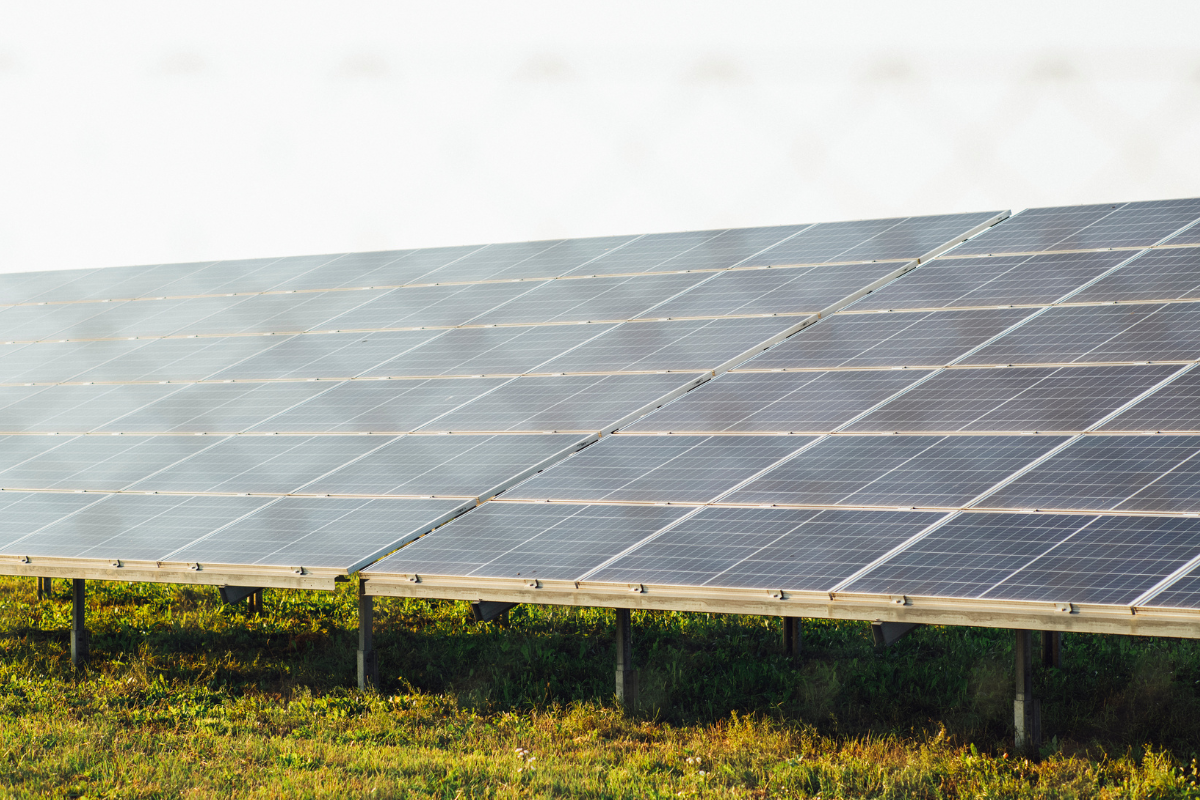
The purchase of a home is one of the most important milestones in one's life. Today, there is an increased interest from home buyers to buy homes that provide sustainable savings and environmental benefits. In particular, homes with solar energy systems have become increasingly popular in warm, sunny states such as Arizona.
If you are interested in purchasing a house that already has solar panels, knowing how to assess these systems and what to consider will help you make an informed decision and have a more enjoyable experience when purchasing a home.
Homes with solar energy systems typically provide homeowners with lower monthly energy costs, allow for energy independence, and reduce the overall environmental footprint of the home, besides having a positive impact on the environment. However, before purchasing a home or property with solar panels, you must also understand things like ownership of the solar panel system(s), methods to finance the solar panels, and how the solar panel system operates. By doing your research ahead of time and understanding these issues, you will be more prepared to make an educated decision that is in your best interest financially as well as personally.
Why Solar Homes Are Popular in Arizona
Arizona receives abundant sunshine throughout the year, making solar energy one of the most practical and efficient power sources for homeowners. Because of this natural advantage, many homes already include solar systems that generate clean electricity.
When buying a home with existing solar panels, buyers often gain immediate access to renewable energy without paying the initial installation cost. Solar panels typically last 25–30 years, meaning a home with a relatively new system can provide decades of energy savings.
Another reason solar homes attract buyers is rising utility costs. Solar energy helps protect homeowners from fluctuating electricity prices, making monthly expenses more predictable.
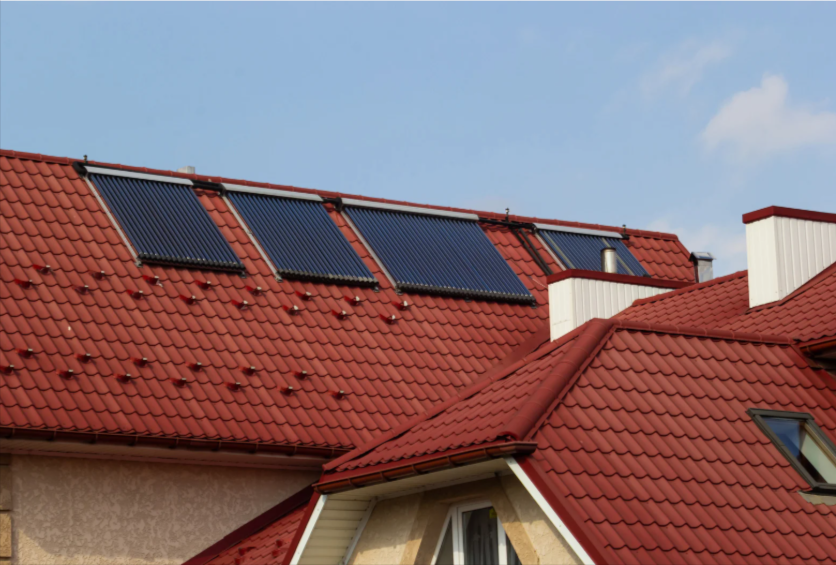
Understanding Solar Ownership
Before purchasing a solar-equipped property, it is essential to determine whether the panels are owned, leased, or financed. Each situation affects the buying process differently.
Owned Solar Systems
If the homeowner fully owns the solar panels, the system usually transfers directly with the property. This is often the most straightforward scenario because there are no additional contracts or payments involved.
Financed Solar Systems
In some cases, the solar panels may still be under a loan agreement. Buyers may need to decide whether to assume the loan or ask the seller to pay it off before closing.
Leased or Contracted Systems
Another possibility involves buying a house with solar panels not paid off, where the buyer may need to continue existing payments or transfer an agreement from the seller.
Understanding these details early in the process prevents unexpected complications during the transaction.
Evaluating the Solar System
Not all solar systems are the same, so buyers should carefully evaluate the system before purchasing the property.
Start by reviewing the installation date, system size, and equipment condition. Solar panels degrade slowly over time, so knowing their age helps estimate future performance.
Buyers should also request documentation such as warranties, maintenance records, and energy production reports. These documents provide valuable insight into how efficiently the system operates.
In regions like Tucson, where solar adoption is widespread, professional services for solar panel installation Tucson AZ have made solar systems more advanced and reliable. Many modern installations include high-efficiency panels and monitoring systems that allow homeowners to track energy production in real time.
Financial Benefits of Solar Homes
By investing in solar energy at home, you stand to gain many benefits over time. With solar panel technology to create renewable energy from the sun, your dependency on utility supplier electricity is decreased significantly and thus your monthly bill also decreases as well. Depending on your usage, you may even produce more than enough electricity to supply your home with the energy needs; any excess produced can be returned to the grid under many local net metering policies. After time, all of these savings can add up for people who purchase homes with owned solar systems (not rented) versus those who had no solar hot water system previously and didn't want to have to go through the trouble of finding places to install new systems at their homes.
Questions Buyers Should Ask
When touring a solar-powered property, asking the right questions can make a big difference.
Buyers should ask who owns the solar system, how much electricity it generates annually, and whether any financing agreements remain. It is also helpful to understand the warranty coverage for panels and inverters.
Another important factor is the home’s energy usage. Reviewing past utility bills can help buyers estimate how much they will save after moving in.
These small steps ensure that the solar system meets expectations and delivers real financial benefits.
Choosing the Right Guidance
Solar homes involve both real estate and energy technology, which can make the buying process more complex than a traditional home purchase. Having knowledgeable guidance can make a significant difference.
Many buyers prefer working with professionals who understand how solar energy systems affect property value, financing, and long-term savings. Companies like My Solar Realtor focus on solar-equipped homes and provide insights that help buyers make informed decisions. For homeowners who want clarity and confidence during their purchase, working with specialists who understand solar real estate can make the entire experience smoother and more reassuring.
FAQs
1. Is buying a home with solar panels a good idea?
Yes. Solar homes can reduce electricity costs and provide long-term energy savings, especially in sunny states like Arizona.
2. What should I check before buying a solar home?
Review system ownership, age, warranties, and energy production records.
3. Do solar panels increase property value?
Owned solar systems can increase home value because they provide built-in energy savings.
4. Can I buy a home with solar panels that are not paid off?
Yes, but buyers may need to assume the loan or negotiate with the seller to settle the balance.
5. How long do solar panels last?
Most solar panels have a lifespan of 25–30 years with minimal maintenance.
For more details please visit the website - https://mysolarrealtor.com/
Call Us - (619) 369-4747
Email at - [email protected]
- Digital Agency
- Literie
- Location de voitures
- Restaurant
- Restaurant
- Mode
- Mode
- Information
- Marketing
- Tourisme
- Développement
- Découverte
- Législation
- Gastronomie
- Pâtisserie
- Veranstaltung
- Art
- Causes
- Crafts
- Dance
- Drinks
- Film
- Fitness
- Food
- Spiele
- Gardening
- Health
- Startseite
- Literature
- Music
- Networking
- Andere
- Party
- Religion
- Shopping
- Sports
- Theater
- Wellness
 Deutsch
 Indian
 English
 French
 Arabic
 Spanish
 Portuguese
 Turkish
 Dutch
Dutch
 Italiano
 Russian
 Romaian
 Portuguese (Brazil)
 Greek
Greek
