


Slipper Clutch Engagement: Adjusting the Back-Torque Limiter to Prevent Rear-Wheel Hop
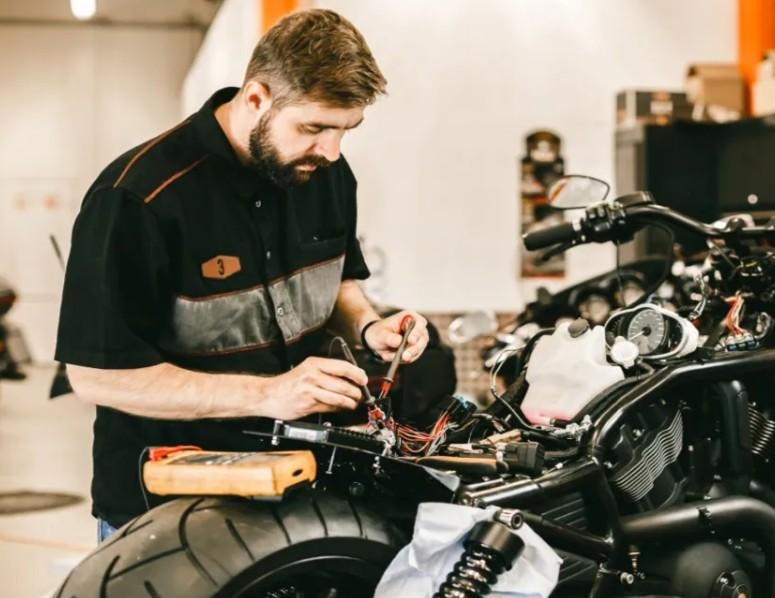
Modern high-performance motorcycles, particularly those with large-displacement engines or high-compression ratios, generate immense back-torque during rapid deceleration. When a rider downshifts aggressively entering a corner, the engine's internal friction and compression act as a powerful brake. If the engine speed does not match the wheel speed, this force is transmitted through the drivetrain to the rear tire. Without a mechanism to mitigate this, the rear wheel can lose traction, leading to "chatter" or dangerous "rear-wheel hop." This phenomenon occurs because the tire's vertical load fluctuates wildly as it struggles to maintain grip against the engine's braking force.
How the Slipper Clutch Functions as a Mechanical Fuse
The slipper clutch, or back-torque limiter, is designed to act as a mechanical fuse between the engine and the rear wheel. Unlike a standard clutch, which uses a flat pressure plate, a slipper clutch incorporates a ramp-and-ball mechanism. When the rear wheel tries to drive the engine (back-torque), these ramps slide against one another, physically pushing the pressure plate away from the clutch pack. This allows the clutch plates to slip slightly, disengaging the engine from the wheel just enough to prevent the wheel from locking or hopping. This "controlled slip" is vital for maintaining the chassis's geometry during the entry phase of a turn.
Adjusting Spring Preload for Targeted Engagement
The most common way to adjust the engagement of a slipper clutch is by altering the spring preload. Most aftermarket and high-end OEM slipper clutches use "spider springs" or a series of coil springs that hold the pressure plate against the friction discs. By adding or removing shims, or by changing the spring rate itself, a technician can determine exactly how much back-torque is required before the clutch starts to "slip." If the engagement is too soft, the rider loses the beneficial engine braking needed to slow the bike down; if it is too stiff, the rear wheel will continue to hop despite the presence of the slipper mechanism. Learning to read the "feel" of the clutch and translating that into mechanical adjustments is a high-level skill taught in a motorbike maintenance course, ensuring the bike is perfectly tuned for the rider's specific style and the track's grip levels.
Inspecting Friction Plates and Heat Discoloration
Because a slipper clutch is designed to slip by definition, it generates significantly more heat than a standard unit. Over time, this constant friction can lead to the glazing of the friction plates or the warping of the steel drive plates. During a routine tear-down, a technician must inspect each plate for signs of "bluing"—a permanent discoloration caused by extreme thermal stress. Warped plates will cause the clutch to drag or engage inconsistently, which can be catastrophic during a race or a spirited Sunday ride.
The Role of Oil Chemistry in Slipper Performance
The performance of a wet slipper clutch is heavily dependent on the chemistry and viscosity of the engine oil. Modern synthetic oils contain friction modifiers that can drastically change how the ramps slide and how the plates engage. If an oil is too "slippery," the clutch may slip under acceleration (which we don't want); if it is too thick, the slipper mechanism may become sluggish, failing to react quickly enough to sudden downshifts. Selecting the right JASO-MA2 rated oil is critical to ensuring the longevity of the back-torque limiter. In a professional motorbike maintenance course, students learn about the shear stability of different lubricants and how the "wetting" of the clutch plates affects heat dissipation. This knowledge allows a mechanic to recommend the perfect lubricant that balances gear protection with the specific requirements of a high-performance slipper system.
Troubleshooting Mechanical Bind and Ramp Wear
One of the more subtle issues with slipper clutches is the wear and tear on the internal ramps and ball bearings. Over time, the ramps can develop small "notches" or burrs where the balls sit, leading to a "notchy" feel or a delay in the slip engagement. This mechanical bind can cause the bike to behave erratically—sometimes slipping correctly and sometimes locking the rear wheel. A thorough cleaning and deburring of these internal components is often necessary during a major service. This level of internal transmission work is where a motorbike maintenance course pays for itself, as it gives the mechanic the confidence to completely disassemble the primary drive and inspect the heart of the machine. Ensuring that the ramps are smooth and the balls are perfectly spherical is the difference between a bike that feels like a factory racer and one that feels dangerous to ride.
Integrating Maintenance into the Rider’s Safety Routine
Ultimately, a slipper clutch is a safety device as much as it is a performance one. It prevents the most common cause of "low-side" crashes during aggressive downshifting: the sudden loss of rear-wheel traction. However, like any safety system, it is only effective if it is maintained and adjusted correctly. Riders who understand the mechanics of their machine are inherently safer and more capable on the road.
- Digital Agency
- Literie
- Location de voitures
- Restaurant
- Restaurant
- Mode
- Mode
- Information
- Marketing
- Tourisme
- Développement
- Découverte
- Législation
- Gastronomie
- Pâtisserie
- Veranstaltung
- Art
- Causes
- Crafts
- Dance
- Drinks
- Film
- Fitness
- Food
- Spiele
- Gardening
- Health
- Startseite
- Literature
- Music
- Networking
- Andere
- Party
- Religion
- Shopping
- Sports
- Theater
- Wellness
 Deutsch
 Indian
 English
 French
 Arabic
 Spanish
 Portuguese
 Turkish
 Dutch
Dutch
 Italiano
 Russian
 Romaian
 Portuguese (Brazil)
 Greek
Greek
