Architectural projects begin with ideas—concepts that exist only in the imagination of architects, designers, or clients. Transforming those ideas into a real, buildable structure requires precision, planning, and clear communication. This is where architectural drafting plays a crucial role. Architectural drafting acts as the bridge between creative vision and physical construction, ensuring that every detail of a design is accurately represented and understood by everyone involved in the project.
Turning Ideas into Visual Plans
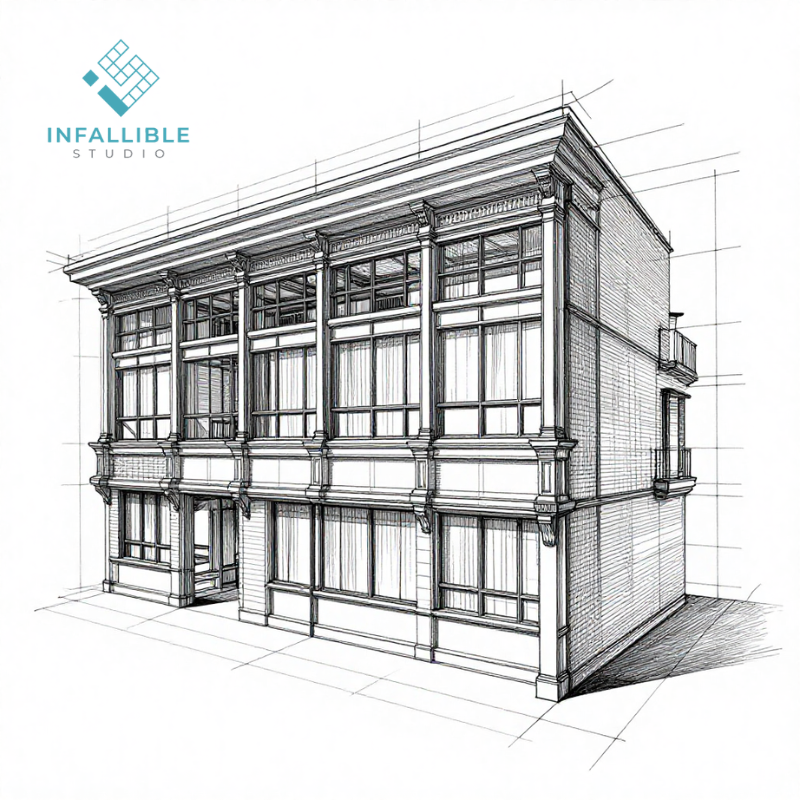
At the early stage of any project, architects develop conceptual designs that outline the overall vision of the structure. However, these concepts must be translated into detailed drawings that builders, engineers, and contractors can follow. Architectural drafting converts rough ideas into precise technical drawings such as floor plans, elevations, sections, and detailed layouts.
These drawings provide exact measurements, materials, structural elements, and construction guidelines. Without accurate drafting, construction teams would struggle to interpret the design correctly, leading to confusion, delays, and costly mistakes.
Improving Communication Across Teams
Construction projects involve multiple professionals including architects, engineers, contractors, and project managers. Architectural drafting ensures that everyone works from the same set of instructions. Detailed drawings help communicate the design intent clearly and eliminate misunderstandings.
Drafting documents also act as a reference throughout the project lifecycle. From planning and approvals to construction and final inspection, these drawings ensure that the building is constructed according to the intended design.
Supporting Regulatory Approvals
Before construction begins, most projects must receive approval from local authorities. Architectural drafting provides the technical documentation required for permits and regulatory compliance. These drawings demonstrate that the design follows building codes, safety standards, and zoning regulations.
Accurate drafting helps speed up the approval process and reduces the chances of revisions or rejections from authorities.
Enhancing Accuracy and Efficiency
Modern drafting relies heavily on digital tools such as CAD software. These technologies allow drafters to create highly precise drawings, update designs quickly, and reduce human errors. With digital drafting, any design changes can be modified easily without redrawing the entire plan.
This improves project efficiency, saves time, and ensures that construction teams always have the most up-to-date drawings.
Reducing Construction Risks
Incomplete or inaccurate drawings can lead to major construction issues such as incorrect dimensions, structural conflicts, or installation problems. Architectural drafting minimizes these risks by providing clear and detailed documentation before construction begins.
Contractors rely on these drawings to plan material usage, estimate costs, and schedule construction activities effectively.
Supporting Collaboration and Visualization
Drafting also plays an important role in helping clients and stakeholders understand foundation the project. Detailed drawings and layouts allow clients to visualize how the building will look and function. This makes it easier to make design decisions and request modifications before construction starts.
With modern drafting methods integrated with 3D modeling and visualization, stakeholders can gain an even clearer understanding of the project.
Conclusion
Architectural drafting is an essential step in the journey from concept to construction. It transforms creative ideas into structured plans that guide the entire building process. By improving communication, ensuring accuracy, supporting approvals, and reducing risks, architectural drafting helps bring architectural visions to life efficiently and successfully.
In modern construction, precise drafting is not just a technical requirement—it is the foundation that ensures every project moves smoothly from the design stage to the final built structure.



 Dutch
Dutch
 Indian
 English
 French
 Arabic
 Spanish
 Portuguese
 Deutsch
 Turkish
 Italiano
 Russian
 Romaian
 Portuguese (Brazil)
 Greek
Greek
