


Spot Welding Equipment: Precision Solutions for Modern Manufacturing
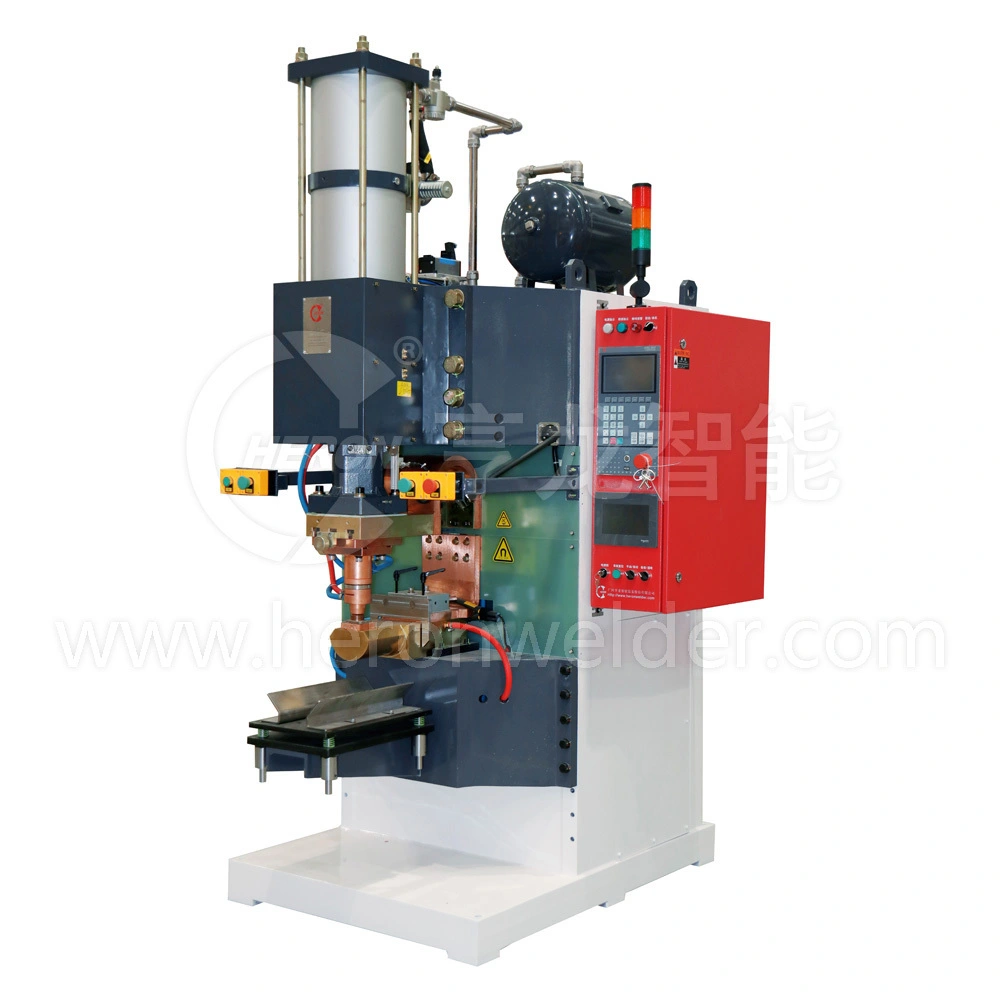
In today’s fast-paced manufacturing environment, efficiency, reliability, and precision are non-negotiable. Spot welding equipment has become a cornerstone in industries ranging from automotive to electronics, offering rapid, repeatable metal-joining capabilities. For OEMs, manufacturing engineers, and automation integrators, choosing the right spot welding solution can significantly impact production throughput, product quality, and operational costs.
Heron Welder, a global leader in industrial welding technology, offers a comprehensive range of spot welding machines, welding guns, controllers, and automated lines designed to meet the most demanding production requirements.
What is Spot Welding and How Does It Work?
Spot welding is a type of resistance welding, where two or more metal sheets are joined by applying pressure and passing an electrical current through localized points. The heat generated at the contact surface melts the metal, forming a fusion bond upon cooling.
Key components of a typical spot welding setup include:
-
Electrodes: Copper or copper alloy tips that conduct current and apply pressure.
-
Transformer/Power Source: Provides the required current for the welding process. Modern machines often feature MFDC (Medium Frequency Direct Current) power sources for precise heat control.
-
Controller: Manages welding parameters such as current, force, and duration for consistent weld quality.
The process is rapid, often taking just a fraction of a second per spot, which makes it ideal for high-volume, automated production lines.
Applications of Spot Welding Equipment
Spot welding equipment is widely used across industries due to its speed, precision, and ability to join thin sheets of metal without additional filler materials. Key applications include:
-
Automotive Manufacturing
-
Body panels, structural frames, battery trays for EVs.
-
Integration with robotic arms for high-speed, repetitive welding operations.
-
-
Appliance and Electronics Industry
-
Joining steel and aluminum parts in appliances, enclosures, and battery packs.
-
High-precision welding for small components and assemblies.
-
-
Metal Fabrication
-
Sheet metal assembly in HVAC systems, furniture, and industrial enclosures.
-
Enables consistent welds across varying metal thicknesses.
-
-
Aerospace and Defense
-
Lightweight aluminum or titanium structures.
-
High-quality, repeatable spot welds critical for safety and durability.
-
By selecting the appropriate spot welding equipment, manufacturers can improve productivity, reduce rework, and maintain compliance with industry standards.
Types of Spot Welding Machines
Modern spot welding equipment comes in various configurations to suit specific manufacturing needs:
1. Manual Spot Welding Machines
-
Operator-controlled, suitable for small-scale or prototyping applications.
-
Flexible for low-volume production and custom assemblies.
2. Robotic or Automated Spot Welding Systems
-
Integrated with industrial robots for high-speed, high-volume production.
-
Ensures repeatable weld quality with programmable parameters.
3. Capacitor Discharge (CD) Spot Welding
-
Ideal for joining thin sheets and delicate materials like battery tabs.
-
Extremely fast, producing minimal heat-affected zones.
4. MFDC Spot Welding Machines
-
Uses medium-frequency direct current for precise energy control.
-
Reduces electrode wear and enhances weld consistency, especially for aluminum and coated metals.
Heron’s range includes solutions across these categories, ensuring manufacturers can find the right machine for their production requirements.
Choosing the Right Spot Welding Equipment
Selecting the correct spot welding system requires evaluating several factors:
-
Material Type and Thickness: Aluminum requires more precise heat control than steel.
-
Production Volume: High-volume lines benefit from automated MFDC or robotic systems.
-
Electrode Design: Proper electrode shape and material improve weld quality and longevity.
-
Integration Needs: Machines compatible with conveyors, robots, and vision systems enable seamless automation.
Heron offers customized solutions, from standalone machines to fully automated production lines, ensuring each system matches a factory’s workflow and production targets.
Best Practices for Spot Welding
To maximize performance and lifespan of spot welding equipment, manufacturers should follow key best practices:
-
Regular Electrode Maintenance: Clean and dress electrodes to maintain consistent weld quality.
-
Proper Welding Parameter Calibration: Adjust current, pressure, and weld time according to material specifications.
-
Routine Inspection and Preventive Maintenance: Monitor transformers, controllers, and cooling systems to avoid downtime.
-
Training Operators: Skilled operators can identify defects early and adjust parameters as needed.
Adopting these practices ensures high-quality welds, reduces scrap, and extends equipment life.
Spot Welding Equipment Comparison
| Feature | Manual Spot Welding | Robotic/Automated Spot Welding | MFDC Spot Welding | Capacitor Discharge Spot Welding |
|---|---|---|---|---|
| Speed | Medium | High | High | Very High |
| Accuracy | Operator-dependent | Very High | High | High |
| Best for | Prototyping | High-volume production | Aluminum & coated metals | Thin sheets & battery tabs |
| Cost | Low | High | Medium-High | Medium |
| Integration | Standalone | Fully automated | Partially automated | Standalone/Automated |
Heron’s portfolio addresses all these categories, providing tailored solutions for varying production scales and materials.
Frequently Asked Questions (FAQs)
1. What metals can be spot welded?
Spot welding works best with steel, stainless steel, and aluminum sheets. Specialty metals may require specific power sources like MFDC.
2. How long does a typical spot weld take?
Weld time can range from 0.1 to 1 second per spot, depending on material thickness and welding parameters.
3. Can spot welding be automated?
Yes, robotic and MFDC systems allow full automation with precise control, ideal for high-volume production.
4. What maintenance is required for spot welding machines?
Regular electrode dressing, controller calibration, and inspection of cooling systems are essential for reliable operation.
5. How does Heron support custom production needs?
Heron provides tailored solutions, including machine customization, automation integration, and consulting to optimize welding processes.
Partner with Heron for Spot Welding Excellence
Choosing the right spot welding equipment is critical for efficient, high-quality production. Heron Welder combines advanced technology, global expertise, and custom engineering to deliver spot welding machines and automated solutions that optimize performance and reduce downtime.
Whether you’re an OEM, manufacturing engineer, or automation integrator, Heron is your trusted partner in metal-joining solutions.
Request a quote or consult Heron today to explore custom spot welding equipment and automated welding systems designed to meet your factory’s unique production needs.
- Digital Agency
- Literie
- Location de voitures
- Restaurant
- Restaurant
- Mode
- Mode
- Information
- Marketing
- Tourisme
- Développement
- Découverte
- Législation
- Gastronomie
- Pâtisserie
- Мероприятие
- Art
- Causes
- Crafts
- Dance
- Drinks
- Film
- Fitness
- Food
- Игры
- Gardening
- Health
- Главная
- Literature
- Music
- Networking
- Другое
- Party
- Religion
- Shopping
- Sports
- Theater
- Wellness
 Russian
 Indian
 English
 French
 Arabic
 Spanish
 Portuguese
 Deutsch
 Turkish
 Dutch
Dutch
 Italiano
 Romaian
 Portuguese (Brazil)
 Greek
Greek
