


How to Fix a Microwave That Stops Heating Food
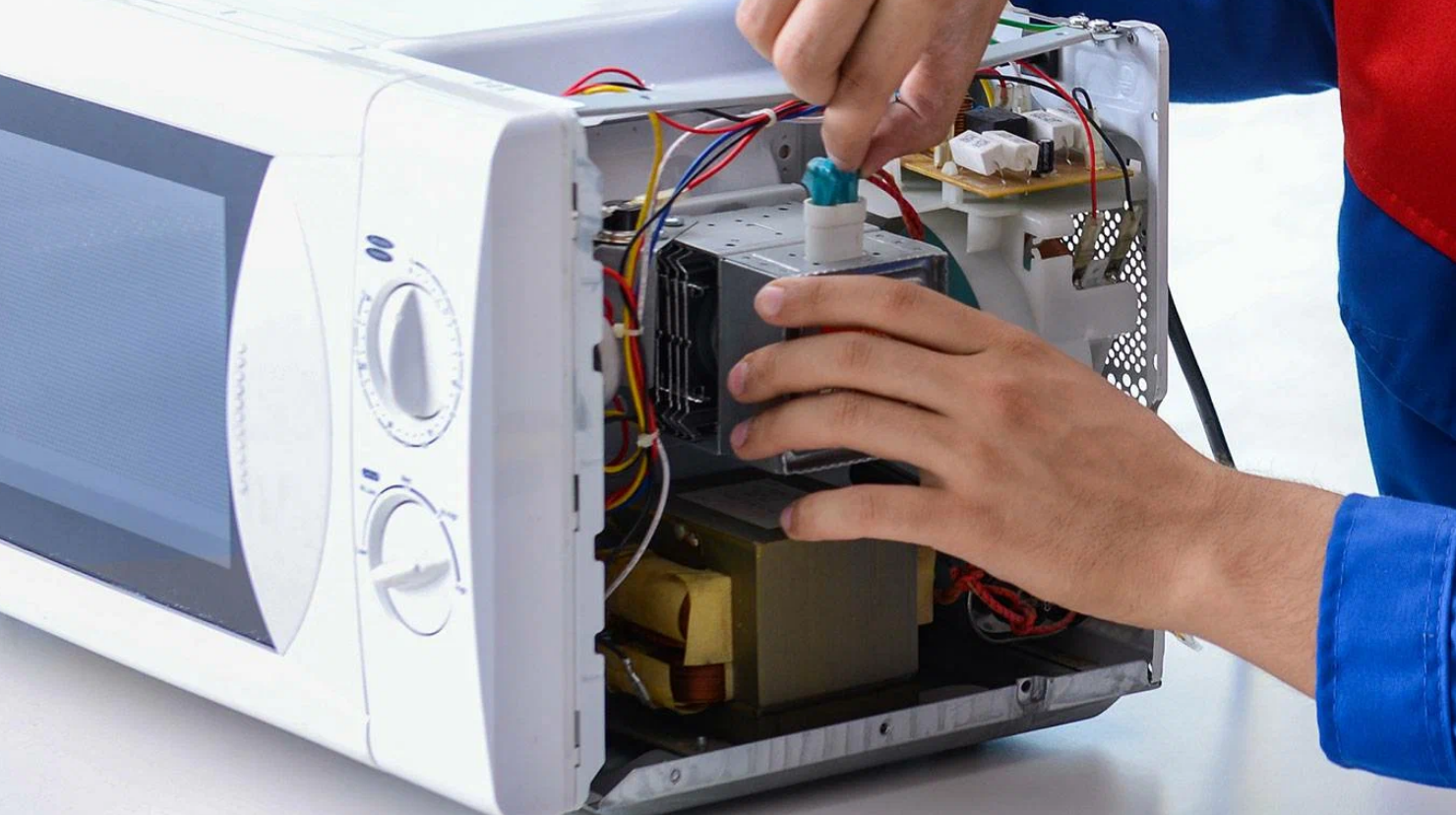
A microwave is the unsung hero of the modern kitchen, turning a ten-minute meal prep into sixty seconds of efficiency. However, when you pull out a plate only to find the edges scalding and the center frozen—or worse, the food completely cold—it’s a sign of internal component failure. While many minor issues can be addressed with simple troubleshooting, complex electrical problems often require a professional microwave repair service in Fairfax Station.
At Liberty Appliance Repair, we’ve seen everything from faulty door latches to blown high-voltage transformers. Understanding the "why" behind the failure is the first step in deciding whether you can DIY the fix or if it’s time to call in the experts for a residential appliance diagnostic.
What You Should Know: Safety First
Before diving into the hardware, there is one critical rule: Microwaves are dangerous, even when unplugged. Unlike a toaster or a lamp, microwaves contain a high-voltage capacitor that stores a lethal amount of electricity long after the power cord is pulled.
If you are not trained in discharging a capacitor, you should never remove the outer casing of the unit. For residents in Northern Virginia, seeking a qualified microwave repair service in Fairfax Station is the safest route to ensure your kitchen remains functional and your household remains safe.
Common Culprits Behind a Non-Heating Microwave
If your microwave runs, lights up, and spins, but the food stays cold, the issue usually lies within the high-voltage circuit. Here are the most common parts that fail:
1. The Magnetron
The magnetron is the heart of the machine. It converts electricity into the microwave radiation that vibrates water molecules in your food. If the magnetron is burnt out, the unit will sound normal but produce zero heat. This part cannot be repaired; it must be replaced.
2. High-Voltage Diode
The diode works with the capacitor to power the magnetron. If the diode is shorted or "open," the magnetron won't receive enough voltage to operate. You can often tell a diode is bad if you see visible burn marks or hear a loud humming/buzzing sound coming from the cabinet.
3. Door Interlock Switches
Microwaves have several safety switches (usually three or four) to ensure the door is tightly sealed before the radiation starts. If even one of these plastic switches fails or becomes misaligned, the microwave might turn on its fan and light, but it won't trigger the heating cycle.
Troubleshooting Steps You Can Take at Home
Before you assume the worst, try these basic checks to rule out external factors:
- Check the "Demo Mode": Many modern microwaves have a showroom or demo mode. If this is accidentally activated, the timer will count down, but the heating components remain disabled. Check your manual to see how to toggle this off.
- Test the Power Supply: Ensure the microwave is plugged directly into a wall outlet. Using extension cords or power strips can lead to voltage drops that prevent the high-voltage transformer from kicking in.
- The Cup of Water Test: Place a glass of water inside and run it for one minute on high. If the water is lukewarm, your magnetron may be weakening. If it’s stone cold, a component has likely failed completely.
When to Call a Professional Appliance Technician
While replacing a door handle or a glass tray is simple, internal circuitry involves specialized tools like voltmeters and insulated probes. If you’ve ruled out the settings and the power source, it's time for professional intervention.
Why Professional Repair Matters
- Specialized Tools: Technicians use high-voltage meters to test for continuity in the magnetron and transformer.
- Genuine Replacement Parts: Professionals have access to OEM (Original Equipment Manufacturer) parts that ensure longevity.
- Warranty Protection: Attempting a DIY repair on a newer unit can void your manufacturer’s warranty.
If you are dealing with a built-in or over-the-range model, the complexity increases. These units are heavy and require careful unmounting. In such cases, searching for a reliable local appliance technician or a dedicated microwave repair service Fairfax Station ensures the job is done without damaging your cabinetry or backsplash.
Preventive Maintenance Tips
To avoid future breakdowns and extend the lifespan of your appliance, follow these simple maintenance habits:
- Never Run It Empty: Running a microwave without food or liquid inside causes the energy to bounce back into the magnetron, leading to immediate failure.
- Keep it Clean: Food splatters on the "waveguide cover" (the small silver or grey square on the inside wall) can cause arcing and sparks, eventually damaging the magnetron.
- Close the Door Gently: Slamming the door can misalign the sensitive interlock switches over time.
Final Thoughts on Microwave Restoration
A broken microwave doesn't always mean you need to head to the store for a new one. High-end brands and over-the-range units are often well worth the cost of a component replacement compared to the high price of a full installation.
By identifying the symptoms—whether it's a humming sound, a flickering display, or a complete lack of heat—you can provide your technician with the details they need to get your kitchen back to full speed.
- Digital Agency
- Literie
- Location de voitures
- Restaurant
- Restaurant
- Mode
- Mode
- Information
- Marketing
- Tourisme
- Développement
- Découverte
- Législation
- Gastronomie
- Pâtisserie
- Event
- Art
- Causes
- Crafts
- Dance
- Drinks
- Film
- Fitness
- Food
- Games
- Gardening
- Health
- Home
- Literature
- Music
- Networking
- Other
- Party
- Religion
- Shopping
- Sports
- Theater
- Wellness
 English
 Indian
 French
 Arabic
 Spanish
 Portuguese
 Deutsch
 Turkish
 Dutch
Dutch
 Italiano
 Russian
 Romaian
 Portuguese (Brazil)
 Greek
Greek
