


What are the five signs of narcolepsy?
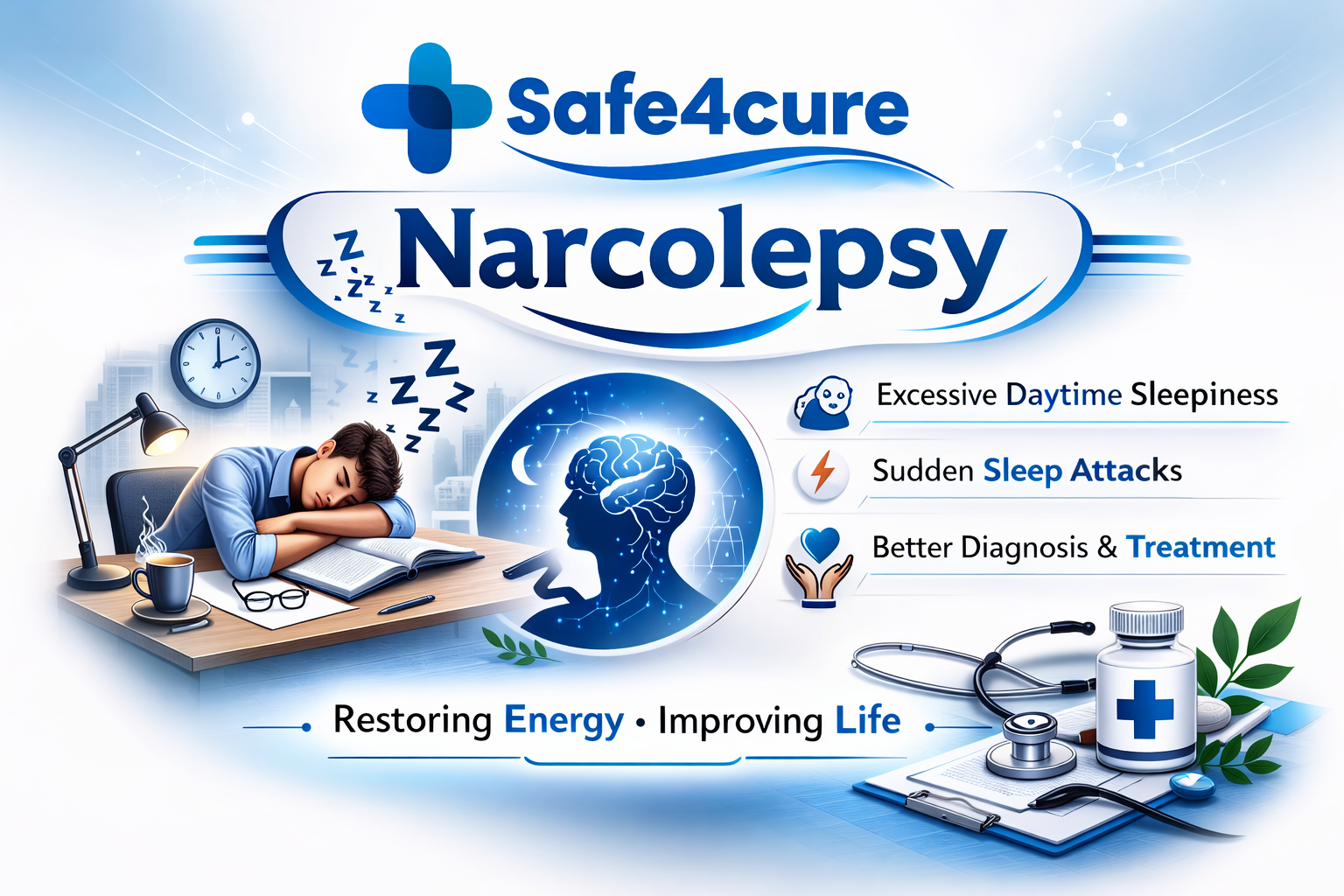
Have you ever felt so tired during the day that staying awake felt almost impossible — even after a full night of sleep? For millions of Americans, this is not ordinary fatigue. It is a recognised neurological condition known as narcolepsy. Narcolepsy is a chronic disorder that disrupts the brain’s ability to regulate the sleep–wake cycle, particularly rapid eye movement (REM) sleep. People living with narcolepsy do not simply feel drowsy; their brains struggle to maintain stable wakefulness during the day and consolidated sleep at night.
According to the National Institute of Neurological Disorders and Stroke (NINDS), narcolepsy affects approximately 1 in 2,000 people in the United States. Despite this prevalence, it remains significantly underdiagnosed. Many individuals live with symptoms for years — sometimes a decade or longer — before receiving an accurate diagnosis. Recognising the five core signs of narcolepsy is a critical first step toward timely evaluation and appropriate management.
In this blog, we will define narcolepsy in clear clinical terms, outline its five principal symptoms, examine the recognised subtypes, and review current understanding of causes and genetic factors. We will also discuss evidence-based treatment strategies, including wakefulness-promoting agents such as armodafinil 50 mg, which is used to treat narcolepsy and shift work disorder. Newer pharmacological options have improved symptom control and functional outcomes for many patients across the United States.
What Is Narcolepsy? Defining the Disorder
To define narcolepsy simply: it is a long-term neurological condition in which the brain cannot properly control when a person sleeps or wakes. The disorder disrupts the normal boundary between being awake and being asleep, causing elements of sleep — especially REM sleep — to intrude into waking hours at random and often inappropriate times.
In a healthy person, REM sleep occurs about 90 minutes after falling asleep. In someone who is narcoleptic, REM sleep can happen within minutes of dozing off — or even begin while they are still technically awake. This is why narcolepsy goes far beyond just feeling sleepy. It affects emotions, muscle control, and even a person's perception of reality.
Narcolepsy is also considered a disability in the United States. Under the Americans with Disabilities Act (ADA), individuals diagnosed with narcolepsy may qualify for workplace accommodations, and in severe cases, they may be eligible for Social Security Disability Insurance (SSDI) benefits. This recognition reflects just how significantly the disorder can impact a person's ability to function day to day.

Narcolepsy Types: Type 1 vs. Type 2
Narcolepsy is not a one-size-fits-all diagnosis. It comes in two main forms, and understanding the difference matters for treatment.
Type 1 Narcolepsy (with Cataplexy)
This is the more well-known and typically more severe form. Type 1 narcolepsy involves cataplexy — sudden episodes of muscle weakness triggered by strong emotions such as laughter, excitement, fear, or surprise. During a cataplectic episode, a person may experience drooping eyelids, buckling knees, slurred speech, or even a complete collapse of the body. Importantly, the person remains fully conscious throughout. Type 1 narcolepsy is linked to very low or absent levels of hypocretin (also called orexin), a brain chemical responsible for keeping us awake and alert.
Type 2 Narcolepsy (Narcolepsy Without Cataplexy)
This form does not include cataplexy and tends to be somewhat less disabling — though still deeply disruptive. People with narcolepsy without cataplexy still experience overwhelming daytime sleepiness, disturbed nighttime sleep, and other classic symptoms. They typically have normal or near-normal hypocretin levels. Because the symptoms can appear less dramatic, narcolepsy without cataplexy is often misdiagnosed as depression, ADHD, or simple sleep deprivation.
The Five Signs of Narcolepsy You Should Not Ignore
Here are the five hallmark signs that medical professionals in the U.S. look for when evaluating someone for narcolepsy:
1. Extreme Daytime Sleepiness (EDS)
Extreme daytime sleepiness is the defining feature of narcolepsy and the symptom that virtually every person with this disorder experiences. It is not the kind of tiredness you feel after a late night — it is an intense, sometimes irresistible urge to sleep that strikes at any time, including during meals, conversations, or while driving. Being very sleepy during the day despite adequate nighttime sleep is the clearest early warning sign. In the United States, EDS is one of the leading reasons adults are referred to sleep specialists, yet narcolepsy is often the last thing doctors consider, leading to years of mismanagement.
2. Cataplexy
Cataplexy is the most distinct sign of Type 1 narcolepsy and involves brief, sudden episodes of muscle weakness or paralysis triggered by strong emotions. Episodes can range from mild — such as slurred speech or drooping eyelids — to a complete physical collapse. A person experiencing cataplexy is awake and aware the whole time, which can be terrifying and socially isolating. Many people with cataplexy begin suppressing their emotions to avoid triggering an episode, which takes a serious toll on mental health and quality of life.
3. Sleep Paralysis
Sleep paralysis occurs when a person is temporarily unable to move or speak while falling asleep or upon waking up. These episodes can last from a few seconds to a couple of minutes, and while not physically dangerous, they can be extremely frightening. For people with narcolepsy, sleep paralysis is more frequent and more intense than it is for the general population. It is a result of REM sleep intruding into the transition between wakefulness and sleep.
4. Hypnagogic or Hypnopompic Hallucinations
These are vivid, dream-like experiences that happen while falling asleep (hypnagogic) or while waking up (hypnopompic). Unlike typical dreams, these hallucinations occur while the person is still partially conscious, making them feel intensely real. They may involve visual, auditory, or tactile sensations — seeing figures in the room, hearing voices, or feeling a physical presence. These hallucinations are a direct result of REM sleep beginning before the person has fully transitioned into unconsciousness.
5. Disrupted Nighttime Sleep
Despite being extremely sleepy during the day, many narcoleptic individuals struggle to maintain consistent sleep at night. They may wake up frequently, experience vivid nightmares, or suffer from other sleep disorders like REM sleep behavior disorder (RBD), in which people physically act out their dreams. This paradox — being very sleepy during the day yet unable to sleep soundly at night — is one of the most confusing and frustrating aspects of the disorder.
Narcolepsy Causes: What Triggers This Condition?
Research into narcolepsy causes has advanced significantly in recent years. The primary cause of Type 1 narcolepsy is the loss of neurons in the brain that produce hypocretin. Scientists believe this destruction is likely autoimmune in nature — meaning the body's own immune system mistakenly attacks these cells. What triggers this autoimmune response is not yet fully understood, but several contributing factors have been identified, including viral infections (such as streptococcal infections or even certain flu strains), hormonal changes, and significant psychological stress.
A notable development came after the H1N1 influenza pandemic of 2009-2010, when European countries reported a spike in narcolepsy cases — particularly in children and teenagers who had received the Pandemrix flu vaccine. This event pushed researchers to explore the autoimmune connection more deeply. In the U.S., cases linked to the vaccine were far less common due to different vaccine formulations, but the research opened major new avenues of understanding.
Is Narcolepsy Genetic? What the Research Says
Many people ask: is narcolepsy genetic? The answer is nuanced. Narcolepsy does have a hereditary component, but it does not follow a simple pattern of inheritance. Certain gene variants — particularly in the human leukocyte antigen (HLA) system, specifically HLA-DQB1*06:02 — are strongly associated with Type 1 narcolepsy. About 98% of people with Type 1 narcolepsy carry this gene variant, compared to about 25% of the general population.
However, most people with this genetic marker never develop narcolepsy. This suggests that while genetics set the stage, an environmental trigger — such as an infection or immune event — is needed to actually activate the disorder. First-degree relatives of people with narcolepsy have a 1-2% chance of developing it themselves, which is about 20 to 40 times higher than the general population risk.
Can You Develop Narcolepsy Later in Life?
Yes, you absolutely can develop narcolepsy at any age — but it most commonly appears in adolescents and young adults between the ages of 10 and 25. A second, smaller peak occurs in people in their mid-30s. Because the symptoms often begin gradually or are mistaken for other issues like ADHD, depression, or simply being a tired teenager, many people go undiagnosed for years. In the United States, the average time between symptom onset and diagnosis is estimated to be around 10 years — a striking figure that highlights the need for better public awareness and medical education around this condition.
Narcolepsy Symptoms in Adults and Treatment Approaches
Narcolepsy symptoms in adults often look slightly different than they do in children or teenagers. Adults may experience more socially disruptive cataplexy, more severe disruptions at work, and a greater impact on relationships. They are also more likely to develop secondary conditions like anxiety, depression, and metabolic issues linked to poor sleep quality.
While there is currently no cure for narcolepsy, a range of treatments can significantly reduce symptoms and improve daily functioning. These include scheduled naps, lifestyle adjustments, behavioral therapy, and medications — particularly wakefulness-promoting agents.
Armodafinil: A Leading Wakefulness-Promoting Medication
One of the most widely prescribed treatments for narcolepsy-related daytime sleepiness in the U.S. is armodafinil. Armodafinil is a wakefulness-promoting medication that belongs to a class of drugs known as eugeroics. It works by stimulating certain areas of the brain involved in wakefulness — primarily by affecting dopamine transporters and other neurotransmitter pathways.
Scientifically, armodafinil is the R-enantiomer of the racemic synthetic agent modafinil, with central nervous system (CNS) stimulant and wakefulness-promoting activities. This means it is the more active half of the modafinil molecule, refined to provide a longer and potentially more consistent effect throughout the day.
The armodafinil brand name most commonly recognized in the United States is Nuvigil. It is FDA-approved for treating excessive sleepiness associated with narcolepsy, shift work sleep disorder, and obstructive sleep apnea. Armodafinil 50 mg is one of the available dosage strengths, though doctors typically prescribe it in the 150 mg to 250 mg range for narcolepsy management.
It is worth noting that armodafinil is not available over the counter — there is no armodafinil OTC option in the United States. It is a Schedule IV controlled substance and requires a valid prescription from a licensed healthcare provider. Anyone wondering what does armodafinil do should know: it helps people stay awake, reduces the frequency of sleep attacks, and improves cognitive performance — but it does not cure narcolepsy or address cataplexy.
Is Narcolepsy Curable?
As of 2025, narcolepsy is not curable in the traditional sense. Once the hypocretin-producing neurons are destroyed in Type 1 narcolepsy, they do not regenerate. However, the medical field is making promising progress. Researchers in the United States and globally are exploring hypocretin replacement therapy — essentially replacing the missing brain chemical using gene therapy or implantable devices. Early clinical trials have shown promising results, and many experts believe a more targeted treatment or even a functional cure could be within reach in the next decade or two.
For now, the goal of treatment is management — helping people with narcolepsy live full, active, and safe lives with minimal disruption from their symptoms. Many Americans with narcolepsy do exactly that, thanks to a combination of medication, lifestyle adjustments, and the support of a knowledgeable medical team.
Is Narcolepsy a Disability in the United States?
Yes. Under the Americans with Disabilities Act (ADA), narcolepsy is recognized as a disability when it substantially limits one or more major life activities, including working, driving, or maintaining concentration. This means employees with narcolepsy have the legal right to request reasonable accommodations from their employer, such as flexible scheduling, a quiet rest area for brief naps, or remote work options.
Additionally, people with severe narcolepsy may qualify for Social Security Disability benefits. The Social Security Administration evaluates narcolepsy cases individually, and approval often depends on documenting how significantly the disorder impairs the person's ability to maintain consistent employment. Working with a sleep specialist and a disability attorney can be essential in navigating this process.
New Developments in Narcolepsy Research in the United States
Narcolepsy research in the U.S. has been moving quickly. The FDA approved pitolisant (brand name Wakix) — a histamine H3 receptor antagonist — as the first non-scheduled narcolepsy medication, which marked a significant shift in treatment philosophy. Unlike modafinil or armodafinil, pitolisant is not a controlled substance, making it easier to prescribe and potentially more accessible for patients.
Another major breakthrough was the approval of sodium oxybate (Xyrem) and its newer low-sodium version (Lumryz) for treating both daytime sleepiness and cataplexy in narcolepsy patients. These medications work by consolidating nighttime sleep, which in turn reduces daytime sleep attacks. Lumryz, approved by the FDA in 2023, allows patients to take a once-nightly dose instead of two doses, improving adherence and quality of life.
Additionally, the Narcolepsy Network and Wake Up Narcolepsy — two U.S.-based nonprofit organizations — have ramped up patient advocacy and education efforts, pushing for faster diagnosis timelines and better insurance coverage for narcolepsy treatments. These efforts are helping reduce the average 10-year diagnostic delay that has plagued narcolepsy patients for generations.
Frequently Asked Questions (FAQs)
Q1: What are the five signs of narcolepsy?
The five main signs of narcolepsy are extreme daytime sleepiness, cataplexy (sudden muscle weakness triggered by emotion), sleep paralysis, hypnagogic or hypnopompic hallucinations, and disrupted nighttime sleep. Not every person with narcolepsy experiences all five, but excessive daytime sleepiness is present in virtually every case.
Q2: What does a narcoleptic person feel like every day?
A narcoleptic person often describes their daily life as walking through fog — constantly battling the urge to sleep, managing the unpredictability of sleep attacks, and dealing with the emotional and social consequences of a condition that others rarely understand. The fatigue is deep and neurological, not something that can be fixed with more coffee or earlier bedtimes.
Q3: Is narcolepsy a genetic condition?
Narcolepsy has a genetic component, particularly tied to the HLA-DQB1*06:02 gene variant. However, having this gene does not guarantee you will develop narcolepsy. An environmental trigger — likely an autoimmune event — is also required. So it is both genetic and environmental in nature.
Q4: What is armodafinil and does it treat narcolepsy?
Armodafinil is a wakefulness-promoting medication that is FDA-approved for treating excessive daytime sleepiness in narcolepsy. It is the R-enantiomer of modafinil and works by stimulating brain regions associated with wakefulness. The most recognized armodafinil brand name in the U.S. is Nuvigil. It requires a prescription — there is no armodafinil OTC option available.
Q5: Can you develop narcolepsy as an adult?
Yes. While narcolepsy most commonly develops during adolescence, it can begin at any age. If you are experiencing extreme daytime sleepiness, sudden muscle weakness, or vivid hallucinations while falling asleep or waking up, it is important to speak with a sleep specialist regardless of your age.
Q6: Is narcolepsy curable?
There is currently no cure for narcolepsy. However, it is highly manageable with medications like armodafinil, sodium oxybate, and pitolisant, combined with lifestyle strategies. Ongoing research in hypocretin replacement therapy offers hope for more targeted treatments in the future.
Q7: Is narcolepsy a disability under U.S. law?
Yes. Narcolepsy can qualify as a disability under the Americans with Disabilities Act (ADA), entitling workers to reasonable accommodations. In severe cases, individuals may also qualify for Social Security Disability benefits.
- Digital Agency
- Literie
- Location de voitures
- Restaurant
- Restaurant
- Mode
- Mode
- Information
- Marketing
- Tourisme
- Développement
- Découverte
- Législation
- Gastronomie
- Pâtisserie
- Event
- Art
- Causes
- Crafts
- Dance
- Drinks
- Film
- Fitness
- Food
- Games
- Gardening
- Health
- Home
- Literature
- Music
- Networking
- Other
- Party
- Religion
- Shopping
- Sports
- Theater
- Wellness
 English
 Indian
 French
 Arabic
 Spanish
 Portuguese
 Deutsch
 Turkish
 Dutch
Dutch
 Italiano
 Russian
 Romaian
 Portuguese (Brazil)
 Greek
Greek
