


Aluminum Conductor: Essential Guide for Power Transmission and Distribution
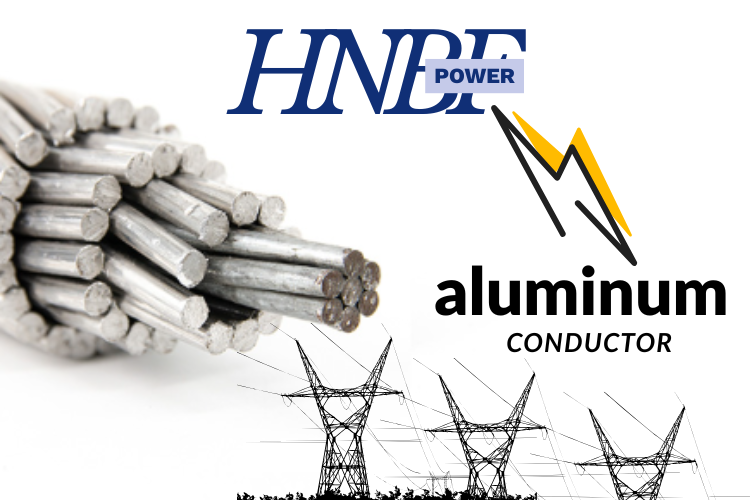
In modern power transmission and distribution networks, the choice of conductor material significantly impacts efficiency, reliability, and overall cost. Among the various options available, aluminum conductor has emerged as a preferred choice for utilities, EPC contractors, and industrial projects worldwide. Its lightweight nature, high conductivity, and cost-effectiveness make it ideal for overhead lines, urban distribution networks, and large-scale infrastructure projects.
HNBF Power, a global leader in manufacturing overhead conductors and power cables, has been supplying high-quality aluminum conductors designed to meet stringent international standards and the evolving needs of the energy sector.
In this guide, we will explain the technical specifications, applications, advantages, and selection considerations for aluminum conductors.
What is an Aluminum Conductor?
An aluminum conductor is an electrical conductor composed primarily of aluminum, sometimes reinforced with steel or other materials to enhance mechanical strength. Aluminum is naturally lightweight and offers excellent conductivity, making it an optimal choice for long-distance power transmission and distribution.
Aluminum conductors are typically available in the following forms:
-
AAC (All Aluminum Conductor): Pure aluminum strands, ideal for low-tension applications.
-
AAAC (All Aluminum Alloy Conductor): Aluminum alloy strands for improved strength and corrosion resistance.
-
ACSR (Aluminum Conductor Steel Reinforced): Aluminum strands surrounding a steel core for high-tension applications such as transmission lines.
HNBF Power manufactures all these types of aluminum conductors, ensuring compliance with international standards such as IEC, ASTM, and BS, providing reliable solutions for various industrial needs.
Advantages of Aluminum Conductors
Choosing aluminum conductors over other materials like copper brings several benefits:
-
Lightweight and Cost-Effective: Aluminum is significantly lighter than copper, reducing the load on towers and supporting structures while offering a more economical option for large-scale projects.
-
High Conductivity: Aluminum has excellent electrical conductivity, which ensures efficient power transmission with minimal losses.
-
Corrosion Resistance: Properly alloyed aluminum conductors resist environmental degradation, extending the service life of overhead lines.
-
Versatility: Suitable for both low- and high-tension applications, aluminum conductors can be customized in various sizes, strand configurations, and coatings.
HNBF Power ensures that each aluminum conductor is engineered to deliver optimal performance under harsh environmental conditions, including high temperatures, coastal areas, and industrial zones.
Applications of Aluminum Conductors
Aluminum conductors are widely used in the following areas:
-
Overhead Power Transmission Lines: For both urban and rural grids, aluminum conductors ensure reliable and efficient power delivery.
-
Distribution Networks: Low- and medium-voltage distribution lines commonly utilize AAC and AAAC conductors for residential and commercial areas.
-
Industrial Power Supply: Aluminum conductors provide a cost-effective solution for factories, plants, and large infrastructure projects.
-
Special Projects: Custom-designed ACSR conductors are suitable for heavy-load and long-span applications such as high-voltage transmission corridors.
By providing tailored solutions, HNBF Power caters to diverse industrial and utility requirements, ensuring seamless integration into power networks.
Key Considerations When Selecting Aluminum Conductors
When choosing the right aluminum conductor for a project, engineers and procurement professionals should consider:
-
Current Carrying Capacity: Ensure the conductor can handle the expected load without overheating.
-
Mechanical Strength: Select ACSR or AAAC for areas with long spans or heavy environmental stress.
-
Corrosion Resistance: Aluminum alloy or coated conductors are preferred in coastal or industrial areas.
-
Compliance with Standards: Always verify that the conductor meets international quality certifications.
HNBF Power provides comprehensive technical data, including ampacity charts, mechanical ratings, and environmental performance reports, helping engineers make informed decisions.
FAQs About Aluminum Conductors
Q1: Why choose aluminum over copper conductors?
Aluminum is lighter and more cost-effective, making it ideal for long-distance transmission and large-scale distribution networks. Its high conductivity and resistance to corrosion further enhance reliability.
Q2: What is the difference between AAC, AAAC, and ACSR?
AAC is pure aluminum, AAAC is aluminum alloy for strength, and ACSR has a steel core for high-tension applications. Each type serves different load and environmental requirements.
Q3: Can aluminum conductors be used in high-voltage transmission lines?
Yes, ACSR aluminum conductors are specifically designed for high-voltage, long-span transmission lines.
Q4: How does environmental condition affect aluminum conductors?
Aluminum conductors are highly resistant to corrosion. However, in extreme environments like coastal regions, AAAC or specially coated ACSR conductors are recommended.
Q5: Does HNBF Power offer custom solutions for aluminum conductors?
Absolutely. HNBF Power specializes in custom-sized aluminum conductors, including specific strand configurations, coatings, and mechanical strengths tailored to project requirements.
Partner with HNBF Power for Aluminum Conductor Solutions
For engineers, procurement teams, and utility professionals looking for high-performance aluminum conductors, HNBF Power offers a complete portfolio of AAC, AAAC, ACSR, and specialized overhead conductors. With decades of experience, strict quality standards, and global supply capabilities, we ensure that your power transmission and distribution projects are efficient, reliable, and cost-effective.
Contact HNBF Power today to explore customized aluminum conductor solutions for your next industrial or utility project.
- Digital Agency
- Literie
- Location de voitures
- Restaurant
- Restaurant
- Mode
- Mode
- Information
- Marketing
- Tourisme
- Développement
- Découverte
- Législation
- Gastronomie
- Pâtisserie
- Event
- Art
- Causes
- Crafts
- Dance
- Drinks
- Film
- Fitness
- Food
- Games
- Gardening
- Health
- Home
- Literature
- Music
- Networking
- Other
- Party
- Religion
- Shopping
- Sports
- Theater
- Wellness
 English
 Indian
 French
 Arabic
 Spanish
 Portuguese
 Deutsch
 Turkish
 Dutch
Dutch
 Italiano
 Russian
 Romaian
 Portuguese (Brazil)
 Greek
Greek
