


Fast Recovery: Total Knee Replacement in Islamabad
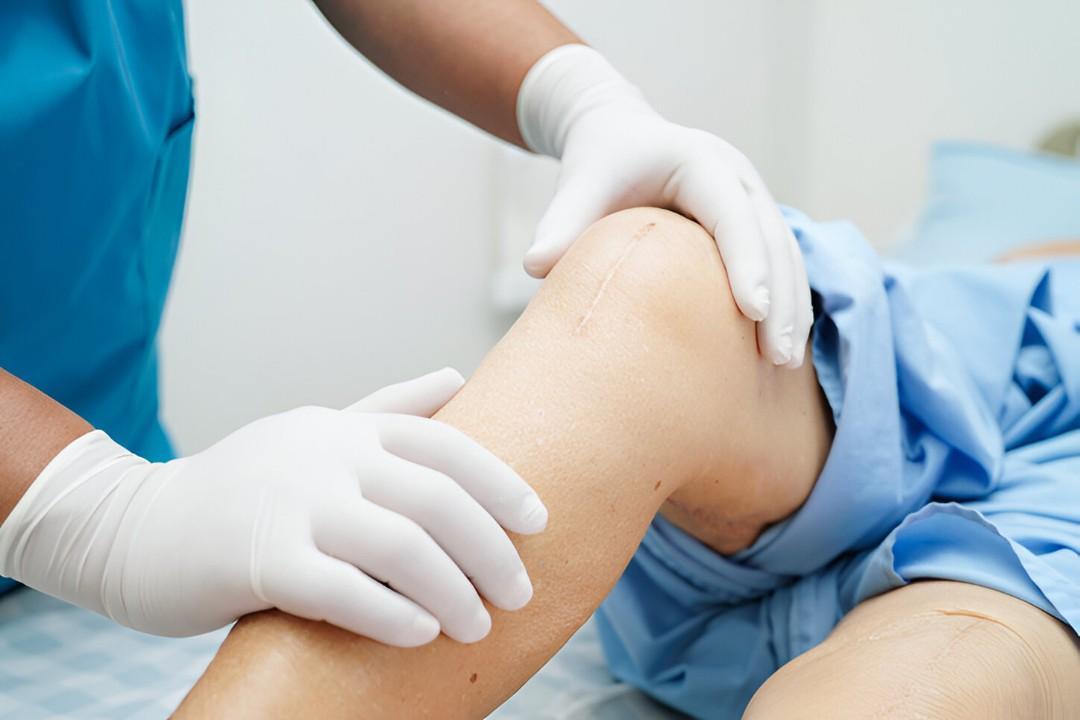
Chronic knee pain can gradually limit a person’s independence. Climbing stairs, walking to the market, standing for long hours, or even performing daily prayers may become exhausting and painful. When medications, injections, and conservative therapies stop working, doctors often recommend total knee replacement in Islamabad as a long-term solution for relief and improved mobility.
With advancements in orthopedic surgery, modern hospitals in Islamabad now offer safe and effective knee replacement procedures. From advanced implant technology to structured rehabilitation programs, patients today experience faster recovery and better outcomes than ever before.
This detailed guide explains everything about total knee replacement, including indications, procedure details, cost, physiotherapy, recovery, and balance exercises after surgery.
Understanding Total Knee Replacement
Total knee replacement is a surgical procedure in which damaged cartilage and bone from the knee joint are removed and replaced with artificial components. These components are typically made of metal alloys and high-grade medical plastic designed to mimic natural joint movement.
The knee joint consists of three main parts:
-
The lower end of the thigh bone (femur)
-
The upper end of the shin bone (tibia)
-
The kneecap (patella)
When arthritis damages the protective cartilage between these bones, friction increases, leading to pain, swelling, stiffness, and limited movement. Knee replacement surgery restores smooth joint function by replacing these worn-out surfaces.
Conditions That May Require Knee Replacement
Orthopedic specialists usually recommend surgery when conservative treatments no longer provide relief. Common reasons include:
-
Advanced osteoarthritis
-
Rheumatoid arthritis
-
Post-traumatic arthritis
-
Severe joint deformity
-
Chronic inflammation
-
Persistent knee stiffness
Patients experiencing constant pain—even while resting—may benefit significantly from surgical intervention.
Signs It May Be Time for Surgery
A patient might need evaluation for total knee replacement if they experience:
-
Difficulty walking short distances
-
Pain that disturbs sleep
-
Swelling that does not subside
-
Limited knee bending or straightening
-
Reduced ability to perform daily tasks
When imaging studies such as X-rays show extensive joint damage, surgery becomes a reliable option for restoring function.
Bilateral Total Knee Replacement – Treating Both Knees
Some individuals suffer from severe arthritis in both knees. In such cases, doctors may recommend bilateral total knee replacement.
There are two approaches:
1. Simultaneous Bilateral Surgery
Both knees are replaced during a single operation. This option may reduce overall hospital visits but requires strong physical fitness for recovery.
2. Staged Bilateral Surgery
One knee is replaced first, followed by the second surgery after a few months. This approach allows gradual recovery.
The decision depends on the patient’s age, overall health, and surgeon’s recommendation.
Total Knee Replacement Cost in Islamabad
Understanding the financial aspect is essential before planning surgery. The total knee replacement cost varies depending on hospital, implant type, and surgeon’s expertise.
The cost of Total Knee Replacement in Islamabad ranges from:
PKR 500,000 to PKR 1,500,000
Factors That Affect Cost
-
Type of implant (standard or high-flex design)
-
Surgeon’s experience
-
Hospital facilities
-
Length of hospital stay
-
Anesthesia charges
-
Post-surgery medications
-
Physiotherapy sessions
Private hospitals with premium services may charge higher fees, while mid-range facilities may offer more economical packages.
How the Surgical Procedure Is Performed
The total knee replacement procedure usually takes 1 to 2 hours. Here’s how it typically works:
-
The patient receives spinal or general anesthesia.
-
A surgical incision is made over the knee.
-
Damaged bone and cartilage are carefully removed.
-
Artificial joint components are placed precisely.
-
The incision is closed, and the knee is bandaged.
Most patients remain hospitalized for 2 to 4 days depending on recovery progress.
Recovery After Total Knee Replacement
Recovery is gradual and requires patience. It involves pain management, mobility training, and consistent physiotherapy.
First Few Days
-
Walking with assistance
-
Beginning gentle knee movements
-
Managing swelling and discomfort
Weeks 2–6
-
Increased walking distance
-
Improved knee bending
-
Reduced swelling
After 3 Months
-
Noticeable improvement in mobility
-
Return to routine daily activities
-
Decreased reliance on walking aids
Full recovery may take 6 to 12 months depending on the patient’s health and commitment to rehabilitation.
Total Knee Replacement Physiotherapy – Why It Matters
Total knee replacement physiotherapy is crucial for successful recovery. Surgery alone cannot restore strength and flexibility without guided rehabilitation.
Physiotherapy helps in:
-
Strengthening thigh and calf muscles
-
Improving joint flexibility
-
Preventing stiffness
-
Enhancing balance
-
Reducing risk of blood clots
In Islamabad, physiotherapy usually begins within 24 hours of surgery under professional supervision.
Balance Exercises After Total Knee Replacement
Restoring balance is an important part of rehabilitation. Muscles around the knee often weaken due to long-term arthritis and post-surgical inactivity.
Common balance exercises after total knee replacement include:
Single-Leg Standing
Standing on the operated leg while holding support improves stability.
Heel-to-Toe Walking
Walking in a straight line enhances coordination and balance.
Mini Squats
Gentle squats strengthen the quadriceps without stressing the joint.
Step-Ups
Stepping onto a low platform helps regain functional strength.
Seated Leg Raises
Improves muscle control and knee stability.
These exercises should always be performed under medical supervision during early recovery.
Benefits of Total Knee Replacement
Patients undergoing total knee replacement in Islamabad often report dramatic improvements.
Key benefits include:
-
Significant pain reduction
-
Improved walking ability
-
Better sleep
-
Increased independence
-
Enhanced quality of life
Many individuals resume light activities such as cycling, swimming, and traveling after full recovery.
Potential Risks and Complications
While knee replacement surgery has a high success rate, it carries some risks, including:
-
Infection
-
Blood clots
-
Implant loosening
-
Nerve injury
-
Knee stiffness
Choosing an experienced orthopedic surgeon and following post-operative instructions reduces these risks considerably.
Longevity of Knee Implants
Modern implants are designed to last 15 to 25 years or longer. Longevity depends on:
-
Body weight
-
Activity level
-
Implant quality
-
Surgical precision
-
Post-operative care
Avoiding high-impact activities helps extend the life of the artificial joint.
Preparing for Knee Replacement Surgery
Preparation plays a significant role in recovery success. Patients are often advised to:
-
Control blood sugar and blood pressure
-
Lose excess weight
-
Strengthen leg muscles before surgery
-
Stop smoking
-
Arrange home support for the recovery period
Mental preparation and realistic expectations are equally important.
Life After Total Knee Replacement
Once recovery is complete, most patients can:
-
Walk comfortably
-
Climb stairs with ease
-
Perform daily chores
-
Drive short distances
-
Travel without severe discomfort
However, high-impact sports are generally discouraged to protect the implant.
Why Islamabad Is a Trusted Choice for Knee Replacement
Islamabad has become a preferred destination for orthopedic procedures due to:
-
Skilled and experienced surgeons
-
Modern hospital infrastructure
-
Advanced implant options
-
Structured rehabilitation services
-
Competitive treatment costs
Patients from nearby cities frequently travel to the capital for high-quality orthopedic care.
Final Thoughts
Total knee replacement in Islamabad offers a reliable and long-term solution for individuals struggling with severe knee arthritis. With modern surgical techniques, personalized physiotherapy plans, and proper aftercare, patients can regain mobility and significantly improve their quality of life.
Although the total knee replacement cost ranges between PKR 500,000 and PKR 1,500,000, the long-term benefits often outweigh the financial investment. Whether someone requires a single procedure or bilateral total knee replacement, proper consultation and commitment to total knee replacement physiotherapy ensure optimal results.
- Digital Agency
- Literie
- Location de voitures
- Restaurant
- Restaurant
- Mode
- Mode
- Information
- Marketing
- Tourisme
- Développement
- Découverte
- Législation
- Gastronomie
- Pâtisserie
- Event
- Art
- Causes
- Crafts
- Dance
- Drinks
- Film
- Fitness
- Food
- Games
- Gardening
- Health
- Home
- Literature
- Music
- Networking
- Other
- Party
- Religion
- Shopping
- Sports
- Theater
- Wellness
 English
 Indian
 French
 Arabic
 Spanish
 Portuguese
 Deutsch
 Turkish
 Dutch
Dutch
 Italiano
 Russian
 Romaian
 Portuguese (Brazil)
 Greek
Greek
