


Type 2 Diabetes Medication Comparison: Tablets vs Injections
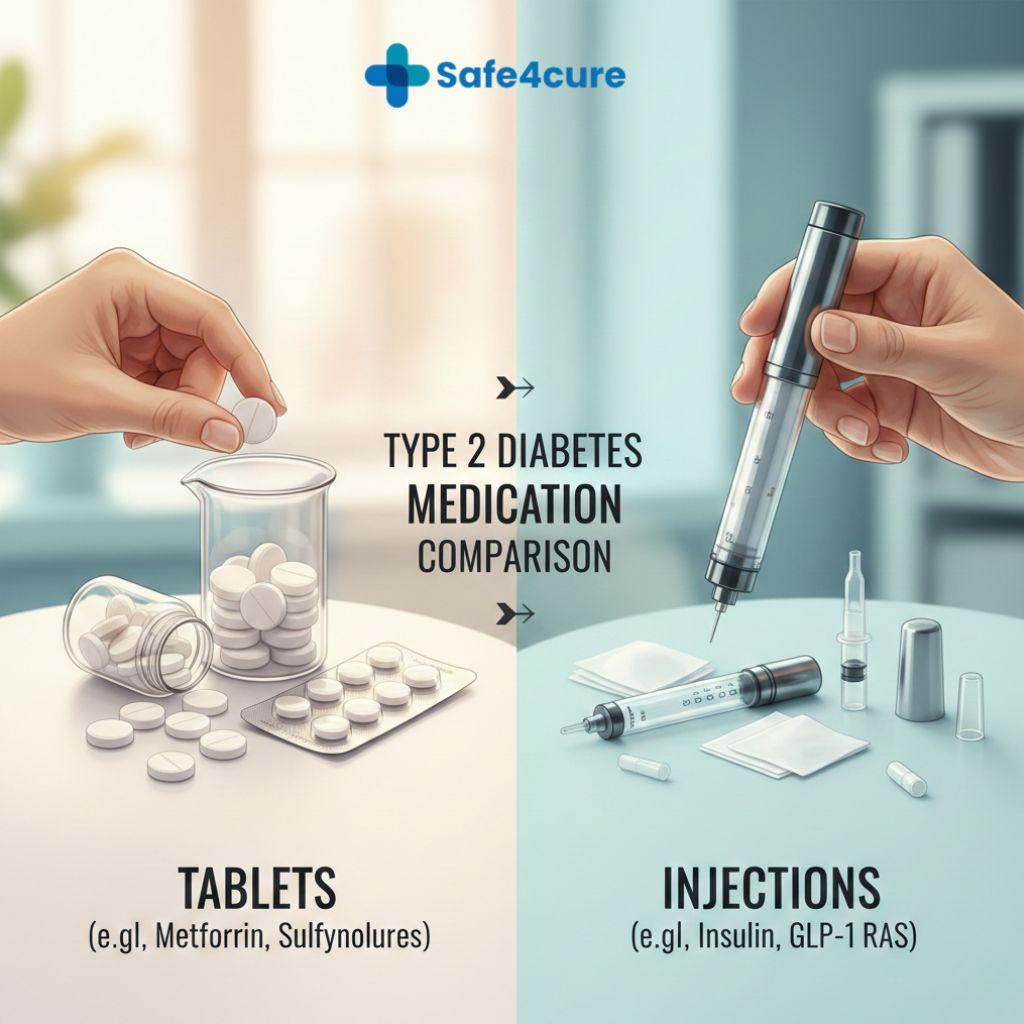
If you or someone close to you has recently been diagnosed with type 2 diabetes mellitus, it is completely normal to feel overwhelmed. The amount of information available can be confusing, especially when you are trying to decide on the right treatment. One of the most common questions patients in the United States ask after diagnosis is straightforward but significant: Should I choose a pill or an injection?
Modern treatment options for type 2 diabetes have expanded rapidly. Today, patients can choose from traditional oral medications like metformin to advanced therapies such as semaglutide for type 2 diabetes, available both as a once-weekly injection and as an oral tablet. These newer medications not only help control blood sugar but may also support weight management and cardiovascular health.
According to the Centers for Disease Control and Prevention, more than 38 million Americans are living with diabetes, and approximately 90 to 95 percent of those cases are type 2 diabetes. This makes diabetes management not just a personal health concern but a nationwide priority. Whether you have just been diagnosed or have been managing your condition for years, understanding the differences between oral medications and injectable therapies including semaglutide for type 2 diabetes can help you make informed decisions with your healthcare provider.
In this guide, we will explore essential topics such as what type 2 diabetes mellitus really means, what is considered a dangerous A1C level, how to lower blood sugar naturally, whether type 2 diabetes is curable, and how treatments like semaglutide for type 2 diabetes fit into a comprehensive care plan. Let us break it down clearly and step by step.
What Is Type 2 Diabetes Mellitus?
Type 2 diabetes mellitus is a chronic condition where the body either does not produce enough insulin or does not use insulin effectively — a condition known as insulin resistance. Insulin is the hormone that allows sugar (glucose) from the food you eat to enter your cells and be used for energy. When this system breaks down, glucose builds up in the bloodstream instead.
Unlike type 1 diabetes, which is an autoimmune condition present from childhood or early adulthood, type 2 develops gradually often over many years and is strongly linked to lifestyle factors like diet, physical activity, and body weight. That said, genetics also play a significant role, and many people with healthy habits still develop type 2 diabetes.
Symptoms of Type 2 Diabetes
Knowing the symptoms of a type 2 diabetes diagnosis early can make a real difference in how well you manage it long term. The most common signs include:
• Frequent urination, especially at night
• Increased thirst and dry mouth
• Unexplained fatigue or low energy
• Blurred vision
• Slow-healing cuts or bruises
• Tingling, numbness, or pain in the hands or feet
• Recurring infections (especially skin and urinary tract)
Sugar diabetes symptoms in women can also include yeast infections, polycystic ovary syndrome (PCOS) links, and hormonal complications that are worth discussing with your gynecologist or endocrinologist.
If you are wondering how to know if you have type 2 diabetes, the most reliable method is a blood test. Your doctor will check your fasting blood glucose, your A1C level, or conduct an oral glucose tolerance test.
Understanding Your A1C: What Is a Dangerous Level?
The A1C test (also called the hemoglobin A1C or HbA1c test) measures your average blood sugar levels over the past two to three months. It is expressed as a percentage and is one of the most important numbers for anyone managing type 2 diabetes.
Here is a quick type 2 diabetes A1C chart to put things in perspective:
• Normal: Below 5.7%
• Prediabetes: 5.7% to 6.4%
• Type 2 Diabetes Diagnosis: 6.5% or higher
• Well-Controlled Diabetes (goal): Below 7%
• Concerning: 8% to 9%
• Dangerous: 10% and above
So what is a dangerous level of A1C? Most healthcare providers consider anything above 9% to be a serious red flag. At 10% or higher, you are at significantly elevated risk for complications like kidney disease, nerve damage, vision loss, and cardiovascular problems. In severe cases, extremely high blood sugar can lead to diabetic ketoacidosis (DKA) or hyperosmolar hyperglycemic state (HHS), both of which are medical emergencies.
Keeping your type 2 diabetes blood sugar in the target range, generally 80 to 130 mg/dL before meals and under 180 mg/dL two hours after meals, is the cornerstone of preventing these complications.

Type 2 Diabetes Medications: Tablets vs Injections
Now let us get to the heart of this blog: the comparison between oral tablets and injectable medications for managing type 2 diabetes. Both have their place, depending on where you are in your diabetes journey, your A1C level, your lifestyle, and any other health conditions you may have.
Oral Medications (Tablets)
Oral diabetes medications also called diabetic 2 medicine in pill form are usually the first line of treatment after lifestyle changes. Here are the most commonly prescribed types in the United States:
• Metformin: The gold standard and most widely prescribed. It lowers glucose production in the liver and improves insulin sensitivity. It is affordable, generally well-tolerated, and backed by decades of research.
• SGLT2 Inhibitors (like Jardiance, Farxiga): These help kidneys remove excess sugar through urine. They also offer cardiovascular and kidney-protective benefits, which is a major reason they have become very popular.
• DPP-4 Inhibitors (like Januvia, Tradjenta): These boost insulin release and reduce glucagon levels. They are well-tolerated but modestly effective.
• Sulfonylureas (like Glipizide, Glimepiride): Older class of medications that stimulate the pancreas to produce more insulin. Effective but can cause low blood sugar and weight gain.
• Thiazolidinediones (like Actos): Improve insulin sensitivity but have fallen out of favor due to side effects including weight gain and heart risks.
• Oral Semaglutide (Rybelsus): This is the newest and most exciting oral option. It is the first oral GLP-1 receptor agonist approved by the FDA, making it a game-changer for patients who want GLP-1 benefits without an injection.
Oral semaglutide (brand name Rybelsus) works the same way as the injectable version — it mimics a gut hormone that stimulates insulin release, reduces appetite, and slows stomach emptying. It is taken once daily on an empty stomach and has shown impressive results in clinical trials.
Injectable Medications
For many people, injectable diabetes medications deliver better results especially when A1C remains high despite oral therapy. The most significant category today is GLP-1 receptor agonists.
• Semaglutide Injection (Ozempic for diabetes, Wegovy for weight loss): This has been one of the most talked-about medications in American healthcare over the past few years. Administered once weekly, semaglutide injection significantly lowers A1C, promotes weight loss, and reduces cardiovascular risk. GLP-1 semaglutide works by mimicking a hormone that tells the brain you are full, slows digestion, and helps the pancreas release the right amount of insulin.
• Dulaglutide (Trulicity): Another weekly GLP-1 injection. Popular because of its easy-to-use auto-injector pen.
• Liraglutide (Victoza): A daily GLP-1 injection that was one of the first in its class. Still widely used and well-studied.
• Exenatide (Byetta, Bydureon): Twice daily or weekly options. One of the original GLP-1 drugs on the market.
• Insulin (various forms): When the pancreas can no longer produce enough insulin, insulin injections become necessary. Types include rapid-acting, long-acting, and combination insulins.
Semaglutide: What You Need to Know
Because semaglutide has become such a hot topic in the US from diabetes clinics to social media it deserves its own deep dive here.
The semaglutide half life is approximately one week, which is why the injection is given once weekly. This long half-life makes it convenient and helps maintain steady drug levels in the body. The semaglutide generic (generic name: semaglutide) is the active compound in both Ozempic and Rybelsus and while these brand-name drugs are FDA-approved, there are also compounded versions that have been available through certain pharmacies during shortage periods.
In recent years, many Americans have searched to buy semaglutide online as telehealth services expand access to diabetes and weight management treatments. While virtual consultations can make prescriptions more convenient, it remains essential to obtain semaglutide only through licensed healthcare providers and verified pharmacies such as Safe4Cure. Purchasing from unregulated or unauthorized sources significantly increases the risk of receiving counterfeit, contaminated, or improperly dosed medication, which can lead to serious health complications. For safety, always confirm that the pharmacy is properly accredited and that your prescription is issued by a qualified medical professional.
Can Type 2 Diabetes Be Cured? And How to Reverse It
This is one of the most searched questions in the diabetes space and the answer is nuanced. Is type 2 diabetes curable? Not in the traditional sense. There is no one-time treatment that eliminates it permanently for most people. However, type 2 diabetes can go into remission, meaning blood sugar returns to normal levels without the need for medication.
Here is how to reverse type 2 diabetes according to current medical evidence:
• Significant weight loss (often 10 to 15 percent of body weight) is the most effective strategy. Studies like the DiRECT trial from the UK showed that nearly half of participants achieved remission through very low-calorie diets.
• Bariatric surgery can lead to long-term remission in many patients with obesity-related type 2 diabetes.
• Consistent aerobic exercise and strength training improve insulin sensitivity dramatically.
• A low-carbohydrate or Mediterranean diet has strong evidence for reducing A1C and even achieving remission in some patients.
The diet for type 2 diabetes does not have to be extreme — it just needs to be consistent. Focus on non-starchy vegetables, lean proteins, whole grains in moderation, healthy fats like olive oil and avocado, and minimizing added sugars and refined carbohydrates.
How to Lower Blood Sugar Naturally
Alongside medication, there are genuine lifestyle strategies for how to lower blood sugar naturally:
• Walk after meals — even 10 minutes reduces post-meal glucose spikes significantly
• Stay hydrated — water helps kidneys flush out excess glucose
• Prioritize sleep — poor sleep raises cortisol, which raises blood sugar
• Manage stress — chronic stress hormones directly elevate glucose
• Eat fiber-rich foods — fiber slows glucose absorption
• Try apple cider vinegar in water before meals — small studies show modest glucose-lowering effects
• Consider cinnamon supplements — some evidence supports mild glucose reduction
These are not replacements for medication when medication is needed, but they are powerful complements to any treatment plan.
Frequently Asked Questions (FAQs)
Q1: What is the best medicine for type 2 diabetes?
There is no single best medicine it depends on your individual health profile. However, metformin remains the most widely recommended first-line medication due to its safety record, affordability, and effectiveness. GLP-1 receptor agonists like semaglutide are increasingly considered the best choice for patients who also need weight management or have cardiovascular risk. Your doctor will tailor the decision to your A1C level, kidney function, weight, and other factors.
Q2: What is a dangerous A1C level?
An A1C above 9 percent is considered high-risk, and above 10 percent is considered dangerous. At these levels, the risk of kidney disease, nerve damage, blindness, and heart disease increases significantly. If your A1C is in this range, it is critical to work closely with your healthcare provider to adjust your treatment plan immediately.
Q3: Is oral semaglutide as effective as the injection?
Oral semaglutide (Rybelsus) is effective and FDA-approved, but clinical studies suggest the injectable form (Ozempic) generally produces slightly greater A1C reductions and more weight loss, largely due to better bioavailability. That said, Rybelsus is a significant option for patients who prefer not to self-inject.
Q4: What is the semaglutide half life and why does it matter?
The semaglutide half life is approximately 7 days. This means the drug stays active in your body for about a week, which is exactly why once-weekly dosing works so well. This prolonged action leads to more consistent blood sugar control compared to shorter-acting medications.
Q5: How do I know if I have type 2 diabetes?
The only way to know for certain is through blood testing. Common tests include the fasting plasma glucose test, the hemoglobin A1C test, and the oral glucose tolerance test. If you are experiencing symptoms like increased thirst, frequent urination, blurred vision, or extreme fatigue, see your doctor for evaluation. Early detection makes management significantly easier.
- Digital Agency
- Literie
- Location de voitures
- Restaurant
- Restaurant
- Mode
- Mode
- Information
- Marketing
- Tourisme
- Développement
- Découverte
- Législation
- Gastronomie
- Pâtisserie
- Event
- Art
- Causes
- Crafts
- Dance
- Drinks
- Film
- Fitness
- Food
- Games
- Gardening
- Health
- Home
- Literature
- Music
- Networking
- Other
- Party
- Religion
- Shopping
- Sports
- Theater
- Wellness
 English
 Indian
 French
 Arabic
 Spanish
 Portuguese
 Deutsch
 Turkish
 Dutch
Dutch
 Italiano
 Russian
 Romaian
 Portuguese (Brazil)
 Greek
Greek
