


Building a Safer Workplace with Dog Bite Prevention Training
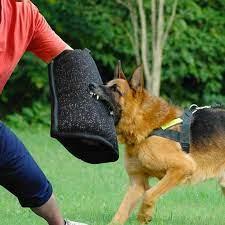
Workplaces that involve interaction with animals—such as veterinary clinics, animal control units, delivery services, and field operations—carry unique safety risks. One of the most serious yet preventable hazards is dog-related injury. That’s why dog bite prevention training plays a critical role in protecting employees, reducing liability, and maintaining a professional working environment.
Why Proper Training Matters
Dog bites can lead to severe physical injuries, emotional trauma, lost workdays, and legal complications. Beyond the immediate harm, organizations may face workers’ compensation claims, lawsuits, and reputational damage. A structured safety program helps teams:
-
Recognize early warning signs of aggression
-
Understand canine body language
-
Respond appropriately in high-risk situations
-
Apply de-escalation techniques
-
Follow proper reporting and post-incident procedures
When employees are trained correctly, the likelihood of incidents drops significantly.
Understanding Canine Behavior
A strong safety program begins with education about dog psychology. Many bites occur because warning signals are misunderstood or ignored. Employees should learn to identify:
-
Stiff body posture
-
Growling or snarling
-
Raised hackles
-
Avoidance or fear-based behaviors
-
Direct eye contact paired with tension
Recognizing these signs early allows professionals to adjust their approach and reduce stress for the animal.
Safe Interaction Techniques
Effective dog bite prevention training includes practical, real-world techniques such as:
-
Approaching dogs calmly and confidently
-
Avoiding sudden movements
-
Using proper restraint tools when necessary
-
Positioning the body sideways instead of face-to-face
-
Maintaining safe escape routes
These strategies are especially important for workers who regularly enter unfamiliar environments where dogs may feel territorial.
Personal Protective Equipment (PPE)
In high-risk roles, protective gear can provide an added layer of defense. Bite-resistant gloves, sleeves, and arm guards help minimize injury severity. However, PPE should never replace proper behavioral awareness and handling skills—it should complement them.
Incident Response and Reporting
Even with precautions, incidents can occur. A comprehensive program ensures employees know how to:
-
Safely disengage
-
Provide immediate first aid
-
Document the event accurately
-
Follow organizational reporting protocols
Prompt reporting helps organizations identify patterns and improve future safety measures.
Creating a Culture of Safety
Dog-related safety should not be a one-time seminar. Ongoing refreshers, scenario-based drills, and updated policies help reinforce best practices. Companies that prioritize continuous education demonstrate commitment to employee wellbeing.
Organizations seeking structured, professional resources can explore programs like those offered by bulliray, which focus on practical safety education tailored to real-world working conditions.
Final Thoughts
Preventing dog-related injuries requires preparation, awareness, and consistent practice. By investing in high-quality dog bite prevention training, organizations protect their teams, reduce liability, and build a culture where safety comes first. Proactive education is not just a compliance measure—it’s a long-term investment in people and performance.
- Digital Agency
- Literie
- Location de voitures
- Restaurant
- Restaurant
- Mode
- Mode
- Information
- Marketing
- Tourisme
- Développement
- Découverte
- Législation
- Gastronomie
- Pâtisserie
- Evento
- Art
- Causes
- Crafts
- Dance
- Drinks
- Film
- Fitness
- Food
- Juegos
- Gardening
- Health
- Inicio
- Literature
- Music
- Networking
- Otro
- Party
- Religion
- Shopping
- Sports
- Theater
- Wellness
 Spanish
 Indian
 English
 French
 Arabic
 Portuguese
 Deutsch
 Turkish
 Dutch
Dutch
 Italiano
 Russian
 Romaian
 Portuguese (Brazil)
 Greek
Greek
