


Understanding the Range Rover Engine: Power, Performance, and Innovation
Introduction
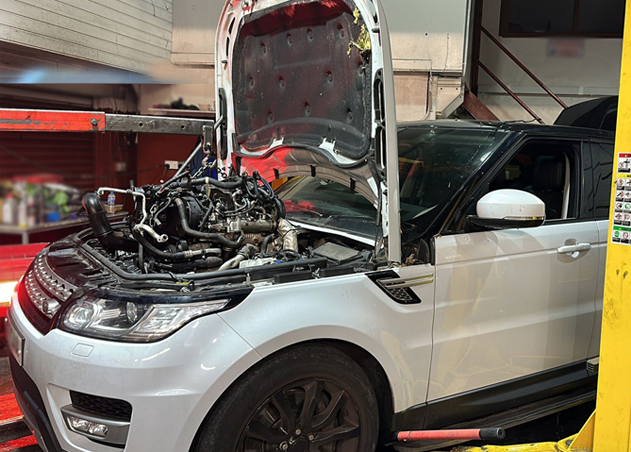
The Range Rover has long been synonymous with luxury, capability, and advanced engineering. While its design and interior luxury often steal the spotlight, the heart of any Range Rover lies beneath the hood: its engine. The engine not only dictates performance and efficiency but also shapes the driving experience, off-road capability, and overall vehicle longevity. This article explores the Range Rover engine in detail, examining its types, technologies, innovations, and maintenance considerations.
1. Overview of Range Rover Engines
Range Rover engines are engineered for a blend of power, refinement, and efficiency. Over the years, Land Rover has offered multiple engine options, ranging from high-performance gasoline engines to efficient diesel variants and hybrid powertrains. Each engine is designed to meet specific market demands while maintaining the signature Range Rover balance of luxury and performance.
Key factors in Range Rover engine design include:
-
Smoothness of operation for luxury driving
-
High torque for off-road and towing capabilities
-
Compliance with global emission standards
-
Fuel efficiency without compromising performance
2. Engine Types in Range Rover Models
Range Rover models feature a range of engines, primarily divided into three categories:
a. Gasoline (Petrol) Engines
Petrol engines are favored for their responsiveness and higher horsepower. Common variants include:
-
3.0-Liter Inline-Six Turbocharged (MHEV): Modern six-cylinder petrol engines often use mild-hybrid technology (MHEV) to enhance efficiency and reduce emissions while maintaining smooth power delivery.
-
5.0-Liter V8 Supercharged: This engine is the pinnacle of performance, delivering high horsepower and torque for drivers seeking maximum power and exhilarating acceleration.
The petrol engines provide quick throttle response and are well-suited for drivers who prioritize performance over fuel economy.
b. Diesel Engines
Diesel engines are preferred for their torque, fuel economy, and towing capability. Diesel options have evolved to meet stringent emission regulations:
-
3.0-Liter V6 Turbo Diesel: Known for high torque at low RPMs, making it ideal for off-road driving and heavy towing.
-
4.4-Liter V8 Turbo Diesel: Combines robust power with refinement, offering a luxurious driving experience even under heavy loads.
Diesel engines remain popular in markets where fuel efficiency and long-distance driving are prioritized.
c. Hybrid Engines (PHEV)
With increasing emphasis on sustainability, Range Rover introduced plug-in hybrid electric vehicles (PHEVs).
-
P400e 2.0-Liter Inline-Four Petrol Hybrid: Combines a petrol engine with an electric motor to offer zero-emission driving for short distances.
-
P510e 3.0-Liter Inline-Six MHEV Hybrid: Uses mild-hybrid technology for improved fuel efficiency and performance, especially in urban environments.
Hybrid engines are an excellent choice for eco-conscious buyers who want to balance performance with environmental responsibility.
3. Key Technologies in Range Rover Engines
Range Rover engine are packed with cutting-edge technologies to enhance performance, efficiency, and sreliability. Some of the notable technologies include:
a. Turbocharging and Supercharging
Turbocharging and supercharging are employed to increase engine power without significantly increasing engine size. Turbocharged engines use exhaust gases to boost air intake, while superchargers are mechanically driven. Together, they allow small engines to deliver large-engine performance.
b. Mild-Hybrid Systems (MHEV)
MHEV systems use a small electric motor to assist the engine, reducing fuel consumption and emissions. The electric motor also provides torque assistance during acceleration, enhancing overall smoothness and responsiveness.
c. Direct Fuel Injection
Modern Range Rover engines use direct fuel injection to optimize fuel delivery, increasing efficiency and power while reducing emissions. This technology ensures precise combustion control under all driving conditions.
d. Variable Valve Timing (VVT)
Variable Valve Timing optimizes engine performance by adjusting valve operation according to speed and load. This results in improved fuel efficiency, smoother operation, and higher power output.
4. Performance and Driving Experience
The Range Rover engine is more than just a power unit—it defines the vehicle’s entire driving character. Key performance metrics include:
-
Horsepower: Ranges from 300 HP in entry-level engines to over 500 HP in supercharged V8s.
-
Torque: Diesel engines often provide higher torque at low RPMs, perfect for off-roading and towing.
-
Acceleration: Supercharged V8 engines allow the Range Rover to accelerate from 0–60 mph in under 5 seconds, exceptional for a luxury SUV of its size.
-
Fuel Efficiency: Hybrid engines offer significant improvements, especially in city driving conditions, while diesel engines dominate long-distance efficiency.
The driving experience is enhanced by smooth power delivery, minimal engine noise, and adaptive power management, ensuring both performance and comfort.
5. Off-Road Capabilities
Range Rover is renowned for its off-road prowess, and the engine plays a crucial role. Features like low-end torque, hill-descent control, and all-wheel-drive integration allow the vehicle to traverse rugged terrains with ease. Diesel engines are particularly useful off-road due to their ability to provide high torque at low speeds, crucial for climbing steep inclines or towing heavy loads.
6. Engine Maintenance and Longevity
Maintaining a Range Rover engine is essential to ensure longevity and performance. Key maintenance tips include:
-
Regular oil and filter changes to prevent wear and tear
-
Using high-quality fuel to avoid injector and combustion issues
-
Timely replacement of timing chains or belts to avoid catastrophic failures
-
Monitoring cooling systems to prevent overheating
-
Routine software updates for hybrid and MHEV systems
With proper care, Range Rover engines can remain reliable for over 200,000 miles, providing consistent luxury and performance.
7. Environmental Considerations
Modern Range Rover engines are designed to meet strict emission standards while reducing environmental impact. Technologies like stop-start systems, hybrid assistance, and low-emission diesel engines help minimize carbon footprints. PHEV models allow for zero-emission driving in urban areas, aligning with global trends toward sustainable transportation.
8. Future of Range Rover Engines
The automotive industry is rapidly evolving, and Range Rover is no exception. Future engines are expected to focus on:
-
Fully electric powertrains for zero emissions
-
Enhanced hybrid systems with greater electric-only range
-
Next-generation diesel engines that meet global emission norms
-
Advanced lightweight materials to improve efficiency without compromising power
These advancements will continue to combine luxury, power, and sustainability, keeping Range Rover at the forefront of SUV innovation.
Conclusion
The Range Rover engine represents a perfect balance of power, luxury, and advanced engineering. From turbocharged petrol engines to high-torque diesel options and cutting-edge hybrid systems, each engine is meticulously designed to provide optimal performance in all driving conditions. With technological innovations enhancing efficiency, durability, and environmental friendliness, Range Rover continues to set the standard for premium SUVs.
For drivers seeking a vehicle that blends refinement, off-road capability, and exhilarating performance, understanding the engine options is key. Investing in proper maintenance and staying informed about technological updates ensures that the Range Rover engine delivers a lifetime of reliable and dynamic driving experiences.
For more information.
- Digital Agency
- Literie
- Location de voitures
- Restaurant
- Restaurant
- Mode
- Mode
- Information
- Marketing
- Tourisme
- Développement
- Découverte
- Législation
- Gastronomie
- Pâtisserie
- Event
- Art
- Causes
- Crafts
- Dance
- Drinks
- Film
- Fitness
- Food
- Games
- Gardening
- Health
- Home
- Literature
- Music
- Networking
- Other
- Party
- Religion
- Shopping
- Sports
- Theater
- Wellness
 English
 Indian
 French
 Arabic
 Spanish
 Portuguese
 Deutsch
 Turkish
 Dutch
Dutch
 Italiano
 Russian
 Romaian
 Portuguese (Brazil)
 Greek
Greek
