


Is Liposuction Right for You? Benefits, Costs, and How to Choose the Right Surgeon
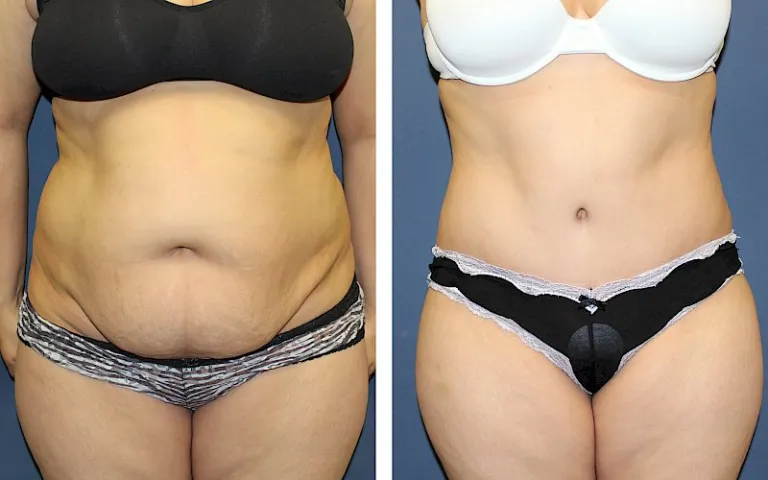
Liposuction remains one of the most popular cosmetic procedures for individuals looking to remove stubborn fat and refine body contours. While it is not a weight-loss solution, it can significantly enhance body shape when diet and exercise alone are not enough.
If you’re considering liposuction, understanding its benefits, costs, and how to choose the right surgeon is essential for achieving safe and satisfying results.
What Is Liposuction?
Liposuction is a surgical procedure that removes localized fat deposits using a suction technique. It is commonly performed on areas such as:
-
Abdomen
-
Flanks (love handles)
-
Thighs
-
Arms
-
Back
-
Chin and neck
The goal is to improve body contour and proportion—not to replace healthy lifestyle habits.
Are You a Good Candidate?
Liposuction may be right for you if you:
-
Are close to your ideal body weight
-
Have stubborn fat pockets resistant to diet and exercise
-
Have good skin elasticity
-
Are in overall good health
-
Have realistic expectations
It is not recommended for significant weight loss or for individuals with certain medical conditions without proper evaluation.
Benefits of Liposuction
1. Targeted Fat Reduction
Removes specific fat deposits that don’t respond to exercise.
2. Improved Body Contours
Creates smoother, more balanced proportions.
3. Long-Lasting Results
Fat cells removed during liposuction do not return, though maintaining weight is key.
4. Boosted Confidence
Many patients report improved self-esteem after achieving their desired body shape.
Types of Liposuction Techniques
Your surgeon may recommend different techniques based on your goals:
-
Tumescent Liposuction – The most common method, involving a medicated solution to reduce bleeding and discomfort.
-
Ultrasound-Assisted Liposuction (UAL) – Uses sound waves to break down fat before removal.
-
Laser-Assisted Liposuction – Uses laser energy to liquefy fat and may provide mild skin tightening.
Each approach has specific advantages, and a consultation will determine the best option for you.
What Does Liposuction Cost?
Costs vary depending on:
-
Number of treatment areas
-
Surgeon’s expertise
-
Geographic location
-
Anesthesia and facility fees
On average, liposuction can range from several thousand to over ten thousand dollars. Since it is typically considered cosmetic, it is not covered by insurance.
Be cautious of unusually low prices—quality, safety, and experience should always take priority over cost.
Recovery and Downtime
Recovery varies depending on the extent of the procedure.
First Week:
-
Swelling and bruising
-
Wearing a compression garment
-
Mild to moderate discomfort
Weeks 2–4:
-
Gradual return to normal activities
-
Swelling begins to decrease
1–3 Months:
-
Continued improvement in contour
-
Final results become more visible
Following post-operative instructions carefully helps ensure optimal healing and results.
Risks and Considerations
As with any surgery, liposuction carries potential risks:
-
Infection
-
Bleeding
-
Irregular contours
-
Fluid accumulation
-
Temporary numbness
Choosing an experienced surgeon significantly reduces these risks.
How to Choose the Right Surgeon
Selecting the right professional is the most important decision you’ll make.
Look for:
-
Board certification in plastic surgery
-
Accredited surgical facilities
-
Before-and-after photo galleries
-
Clear communication and transparency
-
Positive patient reviews
During your consultation, ask questions about experience, complication rates, recovery expectations, and realistic outcomes.
A reputable surgeon will prioritize safety and help you determine whether liposuction is truly the best option for your goals.
Maintaining Your Results
Liposuction permanently removes fat cells, but remaining fat cells can enlarge if weight increases. To maintain results:
-
Follow a balanced diet
-
Exercise regularly
-
Maintain a stable weight
-
Stay hydrated
Healthy lifestyle habits protect your investment and prolong your results.
Final Thoughts
Liposuction Burlington can be an effective solution for refining body contours and eliminating stubborn fat deposits. However, it is not a shortcut to weight loss and should be approached thoughtfully.
The key to success lies in being a suitable candidate, understanding the costs and recovery process, and choosing a qualified surgeon who prioritizes safety and natural-looking outcomes.
- Digital Agency
- Literie
- Location de voitures
- Restaurant
- Restaurant
- Mode
- Mode
- Information
- Marketing
- Tourisme
- Développement
- Découverte
- Législation
- Gastronomie
- Pâtisserie
- Evenement
- Art
- Causes
- Crafts
- Dance
- Drinks
- Film
- Fitness
- Food
- Spellen
- Gardening
- Health
- Home
- Literature
- Music
- Networking
- Overig
- Party
- Religion
- Shopping
- Sports
- Theater
- Wellness
 Dutch
Dutch
 Indian
 English
 French
 Arabic
 Spanish
 Portuguese
 Deutsch
 Turkish
 Italiano
 Russian
 Romaian
 Portuguese (Brazil)
 Greek
Greek
