


Dental Hygienist Advice for Patients With Gum Disease
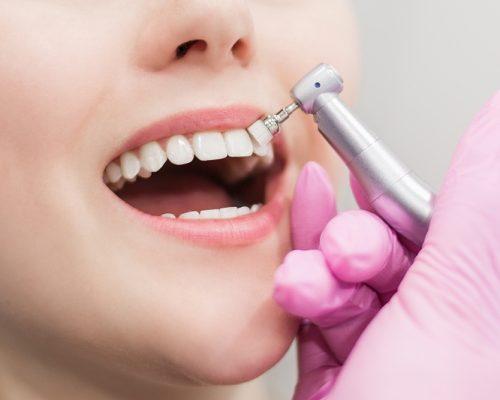
Gum disease is more common than many people realize, yet it often progresses silently. What begins as mild inflammation or bleeding during brushing can evolve into serious periodontal damage if left untreated. According to experienced professionals, early awareness and preventive care make a significant difference in long-term oral health outcomes. A Dental Hygienist in Dubai frequently emphasizes that gum disease is not just about the gums—it affects the supporting structures of the teeth and, ultimately, overall well-being.
Gum disease typically develops in stages. The earliest form, gingivitis, is characterized by redness, swelling, and bleeding gums. At this stage, the damage is still reversible with consistent oral hygiene and professional cleanings. However, when plaque and tartar accumulate below the gumline, the condition can progress to periodontitis. This advanced stage involves deeper infection, gum recession, bone loss, and in severe cases, tooth mobility or loss.
The good news is that with the right guidance and daily habits, gum disease can be controlled and managed effectively.
Recognizing the Early Signs of Gum Disease
Many patients overlook subtle symptoms, assuming they are normal. Bleeding during brushing, persistent bad breath, gum tenderness, or slight swelling should never be ignored. These are early indicators that bacteria are actively irritating the gum tissues.
As the condition advances, you may notice gum recession, sensitivity to hot or cold foods, or spaces developing between teeth. Teeth may even begin to feel loose. Identifying these warning signs early allows for prompt intervention and prevents irreversible damage.
Routine dental visits are essential because gum disease can develop without noticeable discomfort. Regular check-ups allow for early detection and timely action.
The Role of Daily Oral Hygiene
Proper oral hygiene is the cornerstone of gum disease management. Brushing twice daily using a soft-bristled toothbrush helps remove plaque from the tooth surfaces and gumline. Technique matters more than pressure—gentle, circular motions are more effective than aggressive scrubbing, which can further irritate the gums.
Flossing is equally important. Plaque tends to accumulate between teeth where toothbrush bristles cannot reach. Daily flossing disrupts bacterial colonies before they harden into tartar.
Using an antimicrobial mouthwash can also reduce bacterial load in the mouth. However, mouthwash should complement brushing and flossing, not replace them.
Consistency is key. Skipping oral care even for a few days allows bacteria to multiply rapidly, worsening gum inflammation.
Professional Cleanings and Deep Scaling
When plaque hardens into tartar, it cannot be removed with regular brushing. Professional cleanings are necessary to eliminate these deposits, especially below the gumline. Deep scaling procedures target areas where bacteria have accumulated in periodontal pockets.
These treatments reduce inflammation and create a healthier environment for gum reattachment. Regular maintenance appointments are crucial for patients with gum disease to prevent recurrence and monitor progress.
Adhering to recommended cleaning intervals can significantly reduce the risk of disease progression.
Nutrition and Lifestyle Impact on Gum Health
Diet plays an underestimated role in gum health. Sugary and highly processed foods encourage bacterial growth, leading to increased plaque formation. A balanced diet rich in vitamins C and D, calcium, and antioxidants supports gum tissue repair and strengthens the immune response.
Hydration also matters. Saliva naturally helps neutralize acids and wash away food particles. Drinking adequate water supports this protective function.
Smoking is one of the most significant risk factors for gum disease. It impairs blood flow to the gums, weakens the immune system, and reduces healing capacity. Quitting smoking can dramatically improve treatment outcomes and overall oral health.
Stress management is another factor often overlooked. Chronic stress can compromise immune function, making the body less capable of fighting infections, including those affecting the gums.
Managing Sensitivity and Discomfort
Patients with gum disease often experience sensitivity due to gum recession and exposed tooth roots. Using desensitizing toothpaste can help manage discomfort. Avoid extremely hot or cold foods if sensitivity is severe.
If swelling or tenderness persists, warm saltwater rinses may soothe irritated tissues. However, persistent pain should never be self-managed without professional evaluation.
Maintaining gentle brushing habits is essential. Overbrushing can exacerbate gum recession and worsen symptoms.
Long-Term Maintenance Strategies
Gum disease management is not a one-time treatment—it is a lifelong commitment. Patients who successfully control gum disease understand the importance of routine care and preventive strategies.
Scheduling regular dental visits ensures that any recurrence is identified early. Periodontal maintenance appointments are typically more frequent than standard cleanings because they focus specifically on gum health.
Home care routines may also evolve over time. Electric toothbrushes, water flossers, and specialized interdental brushes can improve plaque removal efficiency, particularly for patients with limited dexterity or orthodontic appliances.
Education plays a vital role in long-term success. Understanding how gum disease develops empowers patients to make informed decisions about their oral health habits.
Preventing Gum Disease From Returning
Once gum disease is under control, prevention becomes the priority. Maintaining strict oral hygiene, eating a balanced diet, avoiding tobacco, and attending follow-up appointments all contribute to sustained results.
It is important to remember that gum disease is manageable but not always fully reversible in advanced stages. The earlier it is addressed, the better the outcome.
Patients who take proactive measures often experience improved confidence, fresher breath, and a healthier smile. These benefits extend beyond aesthetics—they enhance overall quality of life.
Book Us
Taking action today can prevent complications tomorrow. If you are experiencing bleeding gums, sensitivity, or signs of gum recession, professional guidance can make all the difference. A skilled Dental Hygienist can assess your gum health, provide personalized care strategies, and help you regain control of your oral hygiene routine. At Enfield Royal Clinic Dubai, we are committed to supporting patients with comprehensive periodontal care designed to restore comfort and protect their smile for the long term.
- Digital Agency
- Literie
- Location de voitures
- Restaurant
- Restaurant
- Mode
- Mode
- Information
- Marketing
- Tourisme
- Développement
- Découverte
- Législation
- Gastronomie
- Pâtisserie
- Etkinlik
- Art
- Causes
- Crafts
- Dance
- Drinks
- Film
- Fitness
- Food
- Oyunlar
- Gardening
- Health
- Ana sayfa
- Literature
- Music
- Networking
- diğer
- Party
- Religion
- Shopping
- Sports
- Theater
- Wellness
 Turkish
 Indian
 English
 French
 Arabic
 Spanish
 Portuguese
 Deutsch
 Dutch
Dutch
 Italiano
 Russian
 Romaian
 Portuguese (Brazil)
 Greek
Greek
