


Ultramarine Violet Pigment: Applications, Benefits, and Industrial Importance Explained
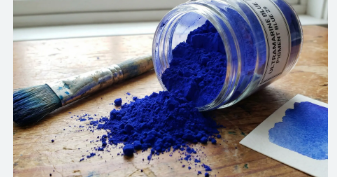
Color plays a powerful role across industries, from paints and plastics to cosmetics and textiles. Among the many specialized pigments available today, ultramarine violet pigment stands out for its unique hue, versatility, and performance characteristics. This pigment is widely valued for its stability, vibrant color tone, and eco-friendly composition, making it a preferred choice for manufacturers seeking high-quality coloring solutions. In this article, we explore its properties, applications, manufacturing significance, and why businesses increasingly rely on trusted suppliers like Ultramarine Blue India.
Understanding the Basics of Ultramarine Pigments
Ultramarine pigments belong to a group of synthetic inorganic pigments known for their bright blue, violet, and purple shades. They are created through carefully controlled chemical processes involving sulfur, silica, alumina, and sodium compounds. Unlike organic dyes, ultramarine pigments are highly stable, resistant to heat, and less prone to fading under light exposure.
The violet variation is especially popular because of its distinctive shade that offers both brightness and depth. Industries use it not only for coloring but also for toning applications, where subtle color correction is required to enhance whiteness or balance hues.
Key Properties That Make It Valuable
One reason manufacturers choose ultramarine violet pigment is its exceptional technical performance. Some notable properties include:
-
High heat resistance: Suitable for applications requiring elevated processing temperatures.
-
Lightfastness: Maintains color intensity even under prolonged exposure to sunlight.
-
Chemical stability: Compatible with various chemical formulations.
-
Non-toxic composition: Often considered safer compared to certain heavy-metal pigments.
-
Cost efficiency: Provides strong coloring power with minimal quantities.
These features make it a reliable solution for industries that demand consistent performance and durability in their products.
Major Industrial Applications
1. Paints and Coatings
The paints and coatings industry relies heavily on ultramarine pigments to achieve vibrant shades and improve visual appeal. Violet tones are frequently used in decorative coatings, artistic paints, and specialty finishes. They enhance brightness and provide color correction, ensuring a clean and polished appearance.
2. Plastics and Polymers
Plastic manufacturers use ultramarine pigments to produce visually attractive consumer goods. From packaging materials to household items, these pigments ensure uniform color distribution without affecting the structural integrity of the plastic. Their resistance to heat makes them ideal for injection molding and extrusion processes.
3. Textile and Laundry Applications
In textiles and detergents, ultramarine pigments are commonly used as whitening agents. The violet tone helps neutralize yellowish hues, making fabrics appear brighter and fresher. This optical effect is widely utilized in laundry powders and fabric care products.
4. Cosmetics and Personal Care
Cosmetic formulations benefit from pigments that offer safety and consistent color performance. Ultramarine pigments provide stable shades for products such as eyeshadows, nail paints, and skincare formulations, where purity and reliability are critical.
5. Printing Inks and Paper Industry
The paper and printing sectors use ultramarine pigments to achieve precise color tones and improve overall visual quality. They help enhance whiteness and produce consistent results across various printing applications.
Manufacturing and Quality Standards
Producing high-quality ultramarine pigments requires advanced technology, strict quality control, and precise chemical processes. Manufacturers must ensure uniform particle size, consistent color strength, and purity to meet industrial standards.
Companies like Ultramarine Blue India emphasize research-driven production methods to deliver reliable pigments that meet the demands of modern industries. Quality assurance includes testing for color stability, chemical compatibility, and environmental safety, ensuring the pigment performs effectively across multiple applications.
Environmental and Safety Advantages
Sustainability has become an important factor in industrial material selection. Ultramarine pigments are often preferred because they are free from heavy metals such as lead or chromium, making them safer for both manufacturers and end users. Their inorganic composition contributes to durability and reduces the need for frequent replacements, supporting long-term sustainability goals.
Additionally, improved manufacturing practices focus on minimizing waste and optimizing resource usage, aligning with global environmental standards.
Choosing the Right Supplier
Selecting the right supplier is essential for achieving consistent results in manufacturing. A reputable pigment manufacturer ensures:
-
Consistent product quality
-
Technical support and expertise
-
Reliable supply chain management
-
Compliance with safety and environmental regulations
Businesses that invest in trusted suppliers can maintain product quality while improving operational efficiency.
Future Trends in Pigment Technology
The demand for high-performance pigments continues to grow as industries evolve. Innovations in pigment technology are focused on improving color intensity, sustainability, and compatibility with new materials. With advancements in coatings, sustainable plastics, and eco-friendly manufacturing processes, pigments like ultramarine violet pigment are expected to play an even larger role in industrial development.
Research and development efforts are also exploring enhanced formulations that offer better dispersion and improved performance in specialized applications. These innovations will help manufacturers meet the increasing demand for visually appealing, durable, and environmentally responsible products.
Conclusion
From paints and plastics to cosmetics and textiles, ultramarine pigments have become indispensable in modern manufacturing. Their durability, safety profile, and vibrant color properties make them a valuable asset across industries. Businesses seeking reliable solutions often turn to ultramarine violet pigment for its versatility and consistent performance.
For high-quality pigment solutions and industry expertise, contact:
Ultramarine Blue India
A-28, Industrial Estate, Aligarh Road, Hathras – 204101, Uttar Pradesh, India
Phone: +9368933264
Email: [email protected]
Website: https://ultramarineblueindia.in/
- Digital Agency
- Literie
- Location de voitures
- Restaurant
- Restaurant
- Mode
- Mode
- Information
- Marketing
- Tourisme
- Développement
- Découverte
- Législation
- Gastronomie
- Pâtisserie
- Event
- Art
- Causes
- Crafts
- Dance
- Drinks
- Film
- Fitness
- Food
- Παιχνίδια
- Gardening
- Health
- Κεντρική Σελίδα
- Literature
- Music
- Networking
- άλλο
- Party
- Religion
- Shopping
- Sports
- Theater
- Wellness
 Greek
Greek
 Indian
 English
 French
 Arabic
 Spanish
 Portuguese
 Deutsch
 Turkish
 Dutch
Dutch
 Italiano
 Russian
 Romaian
 Portuguese (Brazil)
