


How to Treat Parasitic Worm Infections at Home?
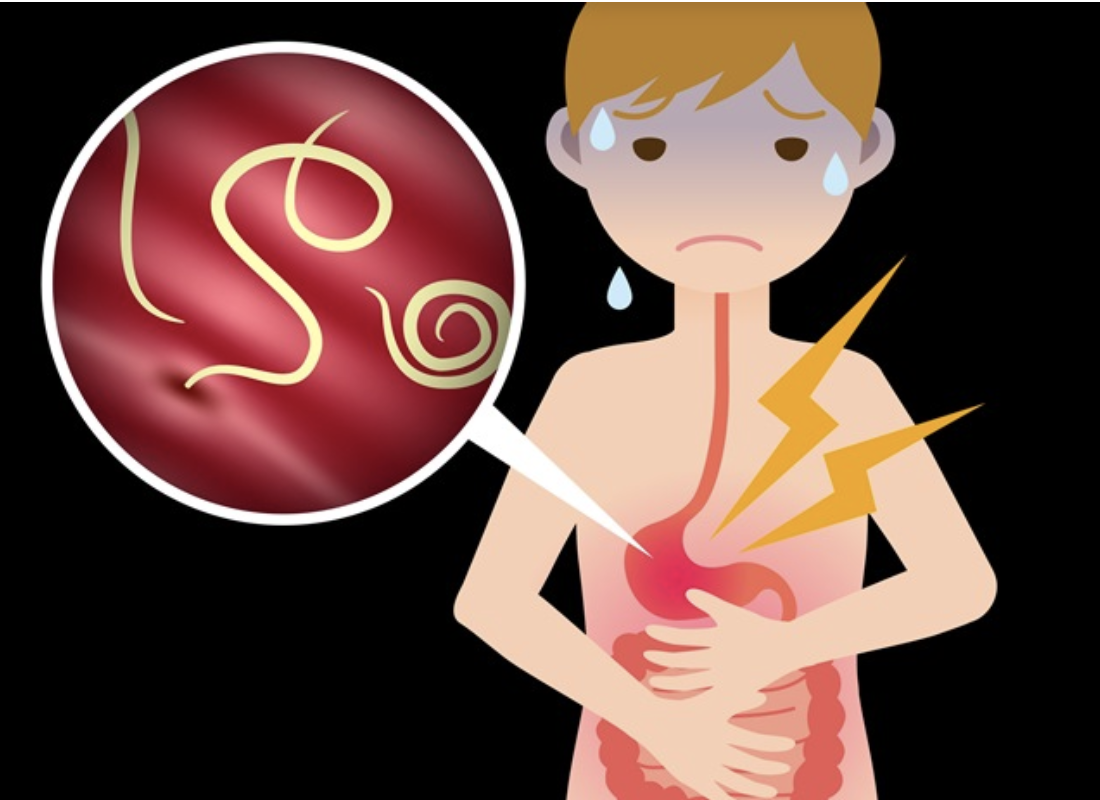
Parasitic worm infections also known as helminthic infections are common in many parts of the world and can affect both children and adults. The most frequent types include roundworms (such as Ascariasis), hookworms, whipworms, and tapeworms (including Taeniasis). While mild infections may sometimes be managed at home under proper guidance, it is essential to understand when home care is appropriate and when medical treatment is required.
This guide explains how to support recovery from parasitic worm infections at home, safe hygiene practices, dietary adjustments, natural remedies, and when prescription medications such as nizonide wholesale options may be discussed with a healthcare provider.
Understanding Parasitic Worm Infections
Parasitic worms typically enter the body through
-
Contaminated food or water
-
Undercooked meat
-
Poor sanitation or hygiene
-
Walking barefoot on contaminated soil
Common symptoms include
-
Abdominal pain
-
Diarrhea
-
Nausea or vomiting
-
Unexplained weight loss
-
Fatigue
-
Anal itching (especially in pinworm infections)
Some infections remain asymptomatic but still require treatment to prevent complications such as malnutrition, anemia, or intestinal blockage.
Step 1: Confirm the Diagnosis
Before attempting treatment at home, confirmation is important. Physicians often diagnose worm infections through:
-
Stool examination (ova and parasite test)
-
Blood tests (in certain cases)
-
Tape test (for pinworms)
Self-treatment without confirmation may lead to inappropriate management. Some symptoms mimic other gastrointestinal disorders such as irritable bowel syndrome or food intolerance.
Step 2: Maintain Strict Hygiene Practices
Hygiene is the cornerstone of managing and preventing reinfection.
Hand Hygiene
-
Wash hands with soap and warm water for at least 20 seconds
-
Always wash after using the bathroom
-
Wash before food preparation and eating
Nail Care
-
Keep fingernails trimmed short
-
Avoid nail biting
-
Clean under nails thoroughly
Laundry and Bedding
-
Wash underwear, bed sheets, and towels daily during treatment
-
Use hot water when possible
-
Dry items in direct sunlight or a hot dryer cycle
These measures are especially critical for pinworm infections, where reinfection is common.
Step 3: Dietary Support During Infection
Diet does not replace medical therapy but can support recovery.
Increase Fiber Intake
Fiber helps regulate bowel movements and may assist in eliminating worms from the intestinal tract. Include:
-
Whole grains
-
Leafy greens
-
Beans and lentils
Probiotic Foods
Yogurt with live cultures and fermented foods may help restore gut microbiota balance.
Hydration
Drink adequate water to prevent dehydration, especially if diarrhea is present.
Step 4: Evidence-Based Natural Remedies (Adjunctive Only)
Some traditional remedies have been studied for mild anti-parasitic properties. However, these should never replace prescribed medications.
Garlic
Contains allicin, which may have antimicrobial properties.
Pumpkin Seeds
Contain cucurbitacin, which may affect certain intestinal worms.
Papaya Seeds
Limited studies suggest potential anti-parasitic effects.
Important: Scientific evidence supporting these remedies is limited, and dosing is not standardized. Always consult a healthcare provider before using herbal treatments, especially in children or pregnant individuals.
Step 5: Pharmaceutical Treatment
In most confirmed cases, antiparasitic medications are required. Commonly prescribed drugs include:
-
Albendazole
-
Mebendazole
-
Ivermectin
-
Nitazoxanide
Nitazoxanide is marketed under brand names including Nizonide, which is sometimes discussed in contexts such as nizonide wholesale purchasing by pharmacies and distributors. However, individuals should never attempt to obtain prescription medications through wholesale channels without medical supervision.
Nitazoxanide works by interfering with the energy metabolism of parasites. It is often prescribed for protozoal infections such as Giardiasis and Cryptosporidiosis, but may also be used in certain worm-related infections depending on clinical assessment.
Only a licensed healthcare professional should determine the correct drug, dosage, and duration.
Step 6: Prevent Reinfection
Treatment failure is often due to reinfection rather than drug resistance.
Sanitation Improvements
-
Ensure clean drinking water
-
Avoid raw or undercooked meat
-
Wash fruits and vegetables thoroughly
Foot Protection
-
Wear shoes in areas with soil contamination
Household Treatment
In pinworm infections, doctors often recommend treating all household members simultaneously.
When Home Treatment Is NOT Enough
Seek immediate medical care if any of the following occur:
-
Persistent vomiting
-
Severe abdominal pain
-
Blood in stool
-
Signs of anemia (fatigue, pallor, dizziness)
-
Fever
-
Worms visible in vomit
Children, elderly individuals, pregnant women, and immunocompromised patients require professional evaluation.
Special Considerations for Children
Children are particularly vulnerable to worm infections due to:
-
Frequent hand-to-mouth behavior
-
Playing in contaminated soil
-
Weaker hygiene habits
Regular deworming programs are implemented in some countries to reduce the prevalence of Soil-transmitted helminthiasis.
Always consult a pediatrician before administering any medication or herbal treatment.
Risks of Self-Medicating
Self-diagnosis and self-treatment carry several risks:
-
Incorrect drug selection
-
Improper dosing
-
Masking of serious conditions
-
Drug interactions
For example, nitazoxanide (Nizonide) may interact with other medications and is not suitable for everyone. Wholesale procurement or unsupervised use may result in counterfeit or improperly stored products, which can be ineffective or harmful.
Recovery Timeline
With appropriate medication:
-
Symptoms often improve within a few days
-
Full eradication may require follow-up stool tests
-
Reinfection can occur if hygiene measures are not maintained
Some infections may require repeat dosing after two weeks.
Key Takeaways
-
Confirm diagnosis before treatment.
-
Maintain strict hygiene to prevent reinfection.
-
Use diet and natural remedies only as supportive care.
-
Prescription antiparasitic medications are usually necessary.
-
Never self-prescribe medications obtained through nizonide wholesale channels.
-
Seek medical attention for severe or persistent symptoms.
Final Note
Home care plays a supportive role in managing parasitic worm infections, but pharmacologic treatment remains the primary therapy for most cases. Hygiene, sanitation, and prevention are equally important to avoid recurrence.
If you suspect a parasitic infection, consult a healthcare provider for accurate diagnosis and a tailored treatment plan. Early and appropriate management significantly reduces complications and promotes full recovery.
- Digital Agency
- Literie
- Location de voitures
- Restaurant
- Restaurant
- Mode
- Mode
- Information
- Marketing
- Tourisme
- Développement
- Découverte
- Législation
- Gastronomie
- Pâtisserie
- Evento
- Art
- Causes
- Crafts
- Dance
- Drinks
- Film
- Fitness
- Food
- Giochi
- Gardening
- Health
- Home
- Literature
- Music
- Networking
- Altre informazioni
- Party
- Religion
- Shopping
- Sports
- Theater
- Wellness
 Italiano
 Indian
 English
 French
 Arabic
 Spanish
 Portuguese
 Deutsch
 Turkish
 Dutch
Dutch
 Russian
 Romaian
 Portuguese (Brazil)
 Greek
Greek
