


How Long Does It Take for Grass to Root After Turf Laying?
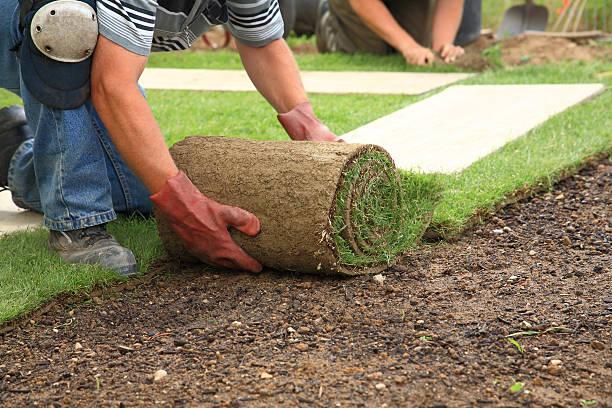
Creating a lush, green lawn instantly transforms outdoor space and improves property appearance. One of the most effective ways to achieve this transformation is through turf laying. Fresh turf provides an immediate lawn, but strong root establishment is essential for long-term health and durability. Understanding the rooting timeline helps ensure proper care, reduces the risk of turf failure, and supports long-lasting growth.
This guide explains how long rooting takes, factors that influence growth, and the best maintenance practices after laying lawn turf.
Understanding the Rooting Process After Turf Laying
After turf laying, grass roots begin growing from the underside of the turf into the soil beneath. This process is known as turf establishment and involves several stages. During early stages, turf remains fragile and requires consistent watering and limited foot traffic.
Typically, newly installed turf starts attaching to the soil within 10 to 14 days. Full root establishment often occurs within 4 to 6 weeks, depending on weather, soil condition, and maintenance routines. Strong rooting ensures turf receives sufficient nutrients, water, and stability.
Timeline for Turf Root Development
1. First Week – Initial Contact Stage
During the first few days after turf installation, roots begin making contact with the soil. Turf remains vulnerable during this period. Adequate watering is essential to prevent turf drying and shrinking. Soil moisture encourages root growth and supports turf bonding with the ground.
Walking on freshly laid turf during this stage can cause shifting and uneven growth. Limiting activity helps maintain proper placement.
2. Second to Third Week – Early Root Growth
Between week two and week three, root development becomes more noticeable. Turf begins anchoring into the soil and shows signs of stability. Gentle lifting of one corner of turf can reveal resistance, indicating root formation.
Regular watering remains essential during this stage. Watering frequency may reduce slightly depending on weather conditions, but soil should remain consistently moist.

3. Fourth to Sixth Week – Strong Root Establishment
By week four to six, turf usually develops deeper root systems. At this stage, grass becomes more resistant to light foot traffic and environmental stress. Mowing can begin once turf reaches appropriate height and rooting feels secure.
Proper maintenance during this phase supports long-term lawn health.
Factors That Affect Turf Rooting Time
Several elements influence how quickly turf roots establish after laying lawn turf. Attention to these factors can significantly improve success rates.
Soil Preparation
Healthy soil encourages faster rooting. Soil should be loosened, levelled, and enriched with nutrients before turf laying. Poor soil preparation slows root penetration and reduces turf durability.
Watering Practices
Consistent watering is critical during early establishment. Insufficient watering can cause turf edges to dry, leading to gaps or patchy growth. Overwatering may result in waterlogging, restricting oxygen supply to roots.
Weather Conditions
Mild temperatures and moderate sunlight create ideal conditions for turf rooting. Extremely hot or freezing temperatures can delay growth. Turf laid during spring or early autumn generally roots faster due to favourable climate conditions.
Turf Quality
High-quality turf promotes quicker establishment. Professional providers such as The Lawn Turf Laying Company focus on supplying premium turf varieties suited to local conditions, improving rooting success.
Installation Technique
Correct turf installation ensures proper contact between turf and soil. Gaps, air pockets, or uneven laying can slow rooting and create weak areas. Professional installation helps maintain correct alignment and pressure during placement.
Signs Turf Has Successfully Rooted
Recognising successful rooting helps determine when regular lawn usage can begin. Several signs indicate healthy establishment:
-
Turf feels firmly attached when gently lifted
-
Grass displays vibrant colour and steady growth
-
Lawn surface appears even and stable
-
Reduced movement when walking lightly across turf
These indicators suggest that root systems have begun integrating with underlying soil.

Maintenance Tips to Encourage Faster Rooting
Proper care following turf laying plays a vital role in achieving a durable and attractive lawn.
Water Regularly
Watering should occur daily during early stages, especially during warm weather. Morning watering allows moisture absorption before evaporation increases.
Avoid Heavy Traffic
Limiting walking or placing heavy objects on new turf prevents displacement and root damage. Activity can gradually increase after root establishment strengthens.
Begin Mowing at the Right Time
Mowing should start only after turf becomes firmly rooted and grass reaches recommended height. Using sharp mower blades prevents grass tearing and supports healthy regrowth.
Apply Nutrients Carefully
Balanced fertilisers can enhance root development when applied correctly. Over-fertilising may damage new turf and hinder establishment.
Monitor Edges and Seams
Checking turf joints ensures sections remain tightly connected. Pressing down lifted edges can help maintain soil contact.
Benefits of Professional Turf Installation
Choosing expert assistance improves results and reduces risks during turf establishment. The Lawn Turf Laying Company focuses on professional turf installation methods that support faster rooting and long-term lawn quality.
Professional installation includes soil preparation, correct turf alignment, and guidance on maintenance routines. Expert knowledge helps prevent common issues such as uneven growth, drainage problems, or turf drying.
Common Mistakes That Delay Turf Rooting
Avoiding common mistakes helps turf establish efficiently after laying lawn turf.
-
Insufficient soil preparation
-
Irregular watering schedules
-
Early heavy foot traffic
-
Poor turf alignment during installation
-
Delayed maintenance practices
Addressing these issues ensures stronger root development and healthier lawn growth.
Long-Term Lawn Care After Root Establishment
Once turf has fully rooted, regular lawn care becomes essential for maintaining appearance and durability. Consistent mowing, seasonal fertilisation, and balanced watering support sustained growth. Aeration and overseeding may also enhance lawn density over time.
Healthy lawns increase property value and create comfortable outdoor environments for relaxation and recreation.
Frequently Asked Questions
How soon can watering begin after turf laying?
Watering should begin immediately after turf laying. Soil beneath turf must remain moist to encourage root development and prevent turf drying.
When can mowing start after turf installation?
Mowing usually begins after 3 to 4 weeks, once turf feels securely rooted and grass reaches suitable height.
How long before turf can handle foot traffic?
Light foot traffic is generally safe after 2 to 3 weeks, while regular usage should wait until full root establishment occurs around 4 to 6 weeks.
Does weather affect turf rooting speed?
Yes, moderate temperatures and consistent moisture promote faster rooting, while extreme heat or frost may slow growth.
Why choose professional turf installation?
Professional turf installation ensures correct soil preparation, proper alignment, and effective aftercare guidance, leading to improved lawn longevity and stronger root establishment.
- Digital Agency
- Literie
- Location de voitures
- Restaurant
- Restaurant
- Mode
- Mode
- Information
- Marketing
- Tourisme
- Développement
- Découverte
- Législation
- Gastronomie
- Pâtisserie
- Evento
- Art
- Causes
- Crafts
- Dance
- Drinks
- Film
- Fitness
- Food
- Giochi
- Gardening
- Health
- Home
- Literature
- Music
- Networking
- Altre informazioni
- Party
- Religion
- Shopping
- Sports
- Theater
- Wellness
 Italiano
 Indian
 English
 French
 Arabic
 Spanish
 Portuguese
 Deutsch
 Turkish
 Dutch
Dutch
 Russian
 Romaian
 Portuguese (Brazil)
 Greek
Greek
