


Tempered Glass: Reliable Safety Glass for Modern Living
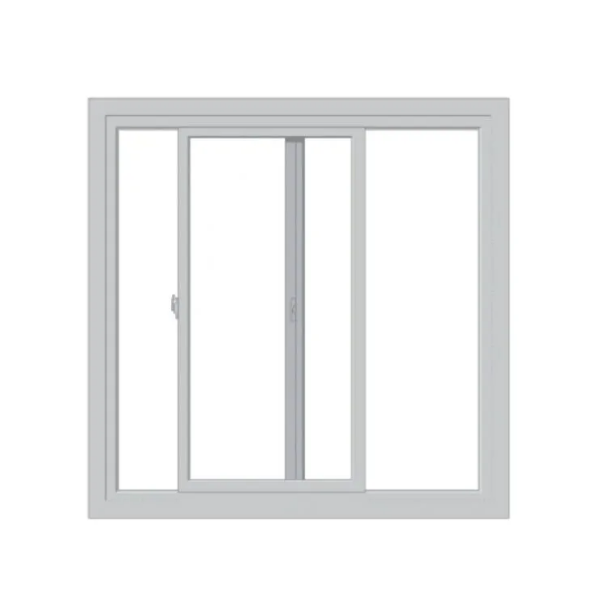
Tempered glass has become an essential material in today’s construction and design industry. Known for its strength, safety, and durability, this type of glass is specially treated to perform better than ordinary glass. From residential homes to commercial buildings, tempered glass is widely used wherever safety and long-term performance are important.
Introduction to Tempered Glass
Tempered glass, often called toughened glass, is manufactured using a heat treatment process that strengthens the glass significantly. The glass is heated to a high temperature and then cooled rapidly, creating internal stress that improves its resistance to impact and thermal shock.
One of the most important features of tempered glass is its safe breakage pattern. Instead of forming sharp, dangerous shards, it breaks into small, blunt fragments that reduce the risk of injury.
Why Tempered Glass Is Preferred
Strong and Impact-Resistant
Tempered glass is up to five times stronger than standard glass, allowing it to withstand heavy pressure, accidental hits, and strong winds.
Safety First
Because it breaks into small, rounded pieces, tempered glass is classified as safety glass and is often required by building regulations.
Heat and Temperature Resistance
Tempered glass can handle sudden temperature changes, making it suitable for kitchens, bathrooms, and outdoor installations.
Low Maintenance
It is easy to clean, resistant to scratches, and maintains its clarity over time.
How Tempered Glass Is Produced
The manufacturing process includes:
-
Cutting and edge finishing before tempering
-
Heating the glass to around 620°C
-
Rapid cooling using high-pressure air
This process creates compression on the surface and tension inside, giving tempered glass its superior strength.
Applications of Tempered Glass
Residential Use
-
Shower doors and bathroom enclosures
-
Balcony and staircase railings
-
Patio and sliding glass doors
-
Glass shelves and furniture
-
Skylights
Commercial Use
-
Office glass partitions
-
Storefronts and entrances
-
Glass walls and meeting rooms
-
Display counters and showcases
Automotive Use
Tempered glass is commonly used for vehicle side and rear windows to enhance passenger safety.
Safety and Building Code Requirements
In many countries, tempered glass is mandatory in areas prone to human impact, such as:
-
Door panels
-
Bathroom glass
-
Stair railings
-
Large windows near the floor
Using tempered glass helps meet safety standards and prevents serious injuries.
Tempered Glass vs Regular Glass
| Feature | Tempered Glass | Standard Glass |
|---|---|---|
| Strength | Very High | Low |
| Breakage | Small, blunt pieces | Sharp shards |
| Heat Resistance | High | Low |
| Safety | Excellent | Poor |
Conclusion
Tempered glass is a strong, safe, and versatile solution for modern construction and design. Its durability, heat resistance, and safety features make it ideal for both residential and commercial applications. Whether you are renovating a home or designing a new commercial space, tempered glass provides reliability, protection, and a modern look that lasts for years.
- Digital Agency
- Literie
- Location de voitures
- Restaurant
- Restaurant
- Mode
- Mode
- Information
- Marketing
- Tourisme
- Développement
- Découverte
- Législation
- Gastronomie
- Pâtisserie
- Evento
- Art
- Causes
- Crafts
- Dance
- Drinks
- Film
- Fitness
- Food
- Jogos
- Gardening
- Health
- Início
- Literature
- Music
- Networking
- Outro
- Party
- Religion
- Shopping
- Sports
- Theater
- Wellness
 Portuguese (Brazil)
 Indian
 English
 French
 Arabic
 Spanish
 Portuguese
 Deutsch
 Turkish
 Dutch
Dutch
 Italiano
 Russian
 Romaian
 Greek
Greek
