


Does a Neck Pillow for Travel Really Help on a Plane?
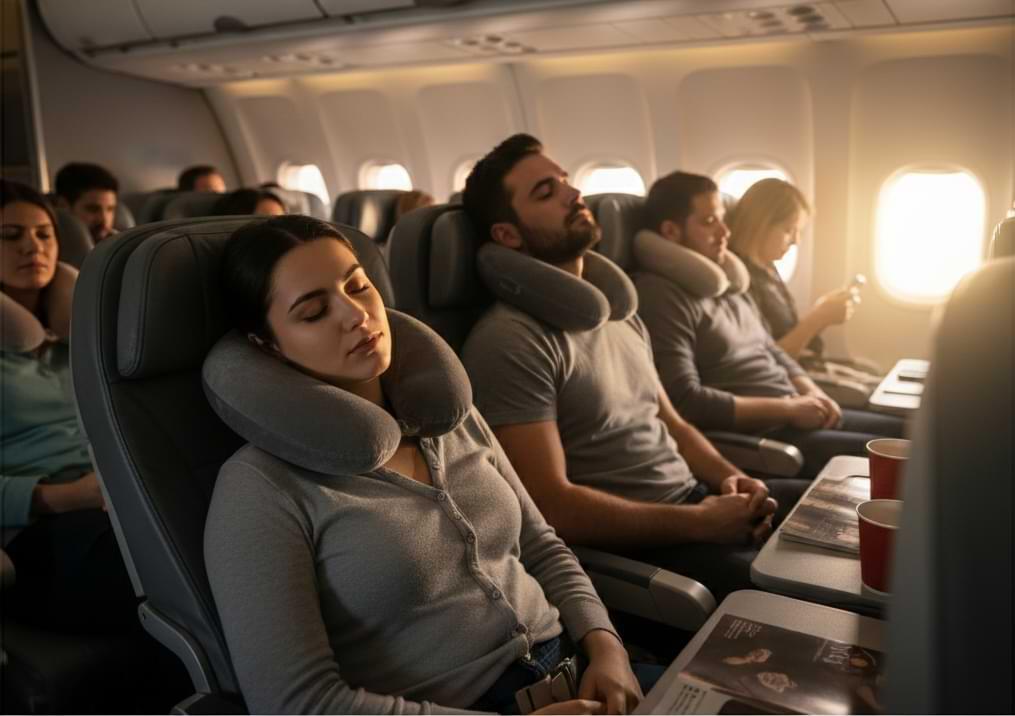
Traveling by plane can be exciting, but long flights often come with the dreaded neck strain from trying to catch some shut-eye in an upright seat. Many travelers swear by a neck pillow for travel as a must-have accessory, claiming it transforms uncomfortable journeys into more restful ones. But does it really help, or is it just another gimmick? In this article, we'll dive into the science, benefits, and practical tips to help you decide if adding a travel pillow to your carry-on is a smart move.
What is a Neck Pillow for Travel?
A neck pillow for travel is essentially a U-shaped cushion designed to support your head and neck while sitting upright, commonly used during flights, car rides, or even train journeys. These pillows are typically made from materials like memory foam, inflatable fabrics, or microbeads, providing a soft yet firm cradle that prevents your head from lolling to the side. Unlike regular pillows, they're portable and compact, often compressing into a small pouch for easy packing. The concept draws from ergonomic principles, aiming to maintain proper spinal alignment in less-than-ideal seating conditions. If you're someone who frequently experiences stiffness after travel, understanding this basic tool could be the first step toward better comfort.
The Science Behind Neck Pain on Planes
Neck pain on airplanes stems from the unnatural posture enforced by economy seats, which lack adequate head support and recline only minimally. When you doze off, gravity pulls your head forward or sideways, straining muscles, ligaments, and even the cervical spine. Studies from ergonomics experts, such as those published in the Journal of Orthopaedic & Sports Physical Therapy, highlight how prolonged awkward positions can lead to muscle fatigue and micro-tears. Air pressure changes and turbulence add to the discomfort, exacerbating tension. This is where the benefits of a travel pillow come into play, as it acts as an external support system to mimic a more neutral alignment, potentially reducing the risk of waking up with a sore neck.
How Does a Travel Pillow Work?
At its core, a travel pillow works by filling the gap between your shoulder and head, distributing weight evenly and minimizing strain on neck muscles. When positioned correctly, it encourages your chin to rest slightly forward while supporting the sides, preventing excessive tilting. Materials like memory foam conform to your body's shape, offering customized support, while inflatable options allow for adjustable firmness. This mechanism draws from biomechanical principles, similar to how orthopedic devices alleviate pressure points. For instance, during turbulence, the pillow absorbs minor jolts, keeping your head stable. Overall, it's a simple yet effective way to combat the physics of in-flight discomfort.
Benefits of Travel Pillow Usage
The benefits of a travel pillow extend beyond just neck support; they include improved sleep quality, reduced jet lag symptoms, and even better posture during wakeful hours. By stabilizing your head, these pillows help you achieve deeper rest, which is crucial for long-haul flights. Users often report less headache and shoulder tension post-flight, as the pillow promotes blood flow and relaxes tight muscles. Additionally, for those with pre-existing conditions like arthritis or whiplash, it can provide therapeutic relief. Portable designs mean you can use them in airports or hotels too, making them a versatile investment for frequent travelers seeking consistent comfort.
Types of Travel Pillows Available
Travel pillows come in various forms to suit different preferences and budgets. The classic U-shaped neck pillow for travel is popular for its wrap-around design, often filled with memory foam for plush support. Inflatable versions are lightweight and packable, ideal for minimalists, while twistable or convertible pillows can morph into lumbar supports or full-body cushions. Bead-filled options offer moldable flexibility, and some high-end models incorporate gel cooling or antimicrobial fabrics. Brands like the Snooze Easy travel pillow stand out for their ergonomic contours and breathable materials, catering to side sleepers or those needing extra elevation. Exploring these types ensures you find one that matches your travel style.
How to Choose the Right Neck Pillow
Selecting the perfect neck pillow involves considering factors like material, size, and portability. Start with your sleeping position—if you're a forward leaner, opt for pillows with chin support; side sleepers might prefer thicker sides. Memory foam provides superior contouring but can be bulkier, whereas inflatables are travel-friendly but may deflate over time. Check for hypoallergenic covers if you have sensitivities, and read reviews for durability. Budget-wise, prices range from $10 basics to $50 premium ones with features like adjustable straps. Ultimately, trial and error in a store can help, ensuring the pillow fits snugly without restricting movement.
How to Use Neck Pillow Effectively
Knowing how to use a neck pillow is key to maximizing its benefits. Position it so the open end faces forward, cradling your neck while the bulk supports the back. Adjust the height to align with your shoulders, and if it's inflatable, blow it up to medium firmness for optimal support without rigidity. Pair it with an eye mask and earplugs for a sleep cocoon, and recline your seat slightly if possible. For window seats, lean against the wall for added stability. Avoid over-tightening if it has straps, as this can cause pressure points. With practice, this simple routine can turn economy class into a more tolerable experience.
Common Myths About Travel Pillows
One prevalent myth is that travel pillows are only for long flights, but even short hops can benefit from the added support to prevent minor strains. Another misconception is that they're uncomfortable or make you look silly—modern designs are sleek and effective without drawing attention. Some believe inflatables are inferior, yet they offer customizable firmness that foam can't match. It's also false that pillows eliminate all discomfort; they're aids, not cures, especially in turbulent conditions. Debunking these helps travelers approach them realistically, focusing on personal fit rather than hype.
User Experiences and Reviews
Real-world feedback often highlights the transformative power of a good travel pillow. Many reviewers on sites like Amazon praise models like the Snooze Easy travel pillow for its soft yet supportive feel, noting fewer neck aches after transatlantic flights. Frequent flyers share stories of dozing through entire journeys, while others appreciate the versatility for road trips. However, some report bulkiness as a drawback, or that cheaper versions lose shape quickly. Overall, positive experiences dominate, with users emphasizing how these pillows enhance rest, though individual results vary based on body type and seat assignment.
Alternatives to Neck Pillows
If a traditional neck pillow doesn't appeal, consider alternatives like scarf-style supports that double as fashion accessories, or hooded sweatshirts with built-in inflatable cushions for discretion. Lumbar rolls can indirectly help by improving overall posture, and some travelers use rolled-up jackets or blankets as makeshift supports. High-tech options include noise-canceling headphones with neckbands or apps that guide relaxation techniques. For those avoiding extra items, window seats with headrests or business-class upgrades provide built-in comfort. Exploring these can offer solutions tailored to your packing preferences and travel needs.
Travel Pillow Maintenance and Care
Proper care extends the life of your travel pillow, ensuring it remains hygienic and effective. Most come with removable, machine-washable covers—wash them after each trip to remove sweat and germs. For foam interiors, spot-clean with mild soap and air-dry to prevent mold. Inflatable types should be deflated and stored flat to avoid creases. Avoid exposing them to extreme heat, like leaving in a hot car, which can degrade materials. Regular inspections for wear, such as flattened spots, signal replacement time. With minimal effort, your pillow can accompany you on countless adventures without losing its supportive qualities.
When Might a Travel Pillow Not Help?
While beneficial for many, a travel pillow might not help in every scenario. Severe turbulence can render it ineffective, as constant movement disrupts stability. If you have specific medical conditions like scoliosis, a generic pillow may not provide adequate customization—consult a doctor for tailored advice. Overly cramped seats or if you're a restless sleeper who shifts positions frequently, it could slip off. Additionally, poor-quality pillows might exacerbate issues rather than alleviate them. Recognizing these limitations helps set realistic expectations and prompts seeking complementary strategies for comfort.
Tips for Better Sleep on Planes
Beyond a neck pillow for travel, several tips can enhance in-flight sleep. Hydrate well but limit caffeine and alcohol to avoid disruptions. Choose seats wisely—window for leaning, aisle for legroom. Dress in layers for temperature control, and use compression socks to reduce swelling. Practice deep breathing or meditation to relax, and time your sleep with your destination's timezone to combat jet lag. Snacks high in tryptophan, like bananas, can promote drowsiness. Combining these with your travel pillow creates a holistic approach to turning air travel into a rejuvenating experience.
Conclusion
In summary, a neck pillow for travel does indeed help on a plane for most people by providing essential support that reduces strain and improves rest. While not a miracle solution, its benefits—from better alignment to enhanced sleep—make it a worthwhile addition to your travel kit. By choosing the right type, learning how to use a neck pillow properly, and incorporating other comfort strategies, you can significantly upgrade your flying experience. Whether you're a casual vacationer or a business globetrotter, investing in one could mean arriving refreshed rather than achy. Safe travels!
FAQs
What are the main benefits of a travel pillow?
The primary benefits of a travel pillow include neck support to prevent pain, improved sleep quality, and reduced muscle tension during flights. It helps maintain proper posture in upright seats.
Is the Snooze Easy travel pillow worth buying?
Yes, the Snooze Easy travel pillow is popular for its ergonomic design and comfort, especially for long flights, though preferences vary based on individual needs.
How do I know if a neck pillow for travel is right for me?
Try one on short trips first. If you often wake with neck pain after flying, it's likely beneficial. Consider your body size and sleeping style when selecting.
Can I use a travel pillow for other types of travel?
Absolutely—travel pillows work well for car rides, trains, or buses, offering versatile support beyond just planes.
Are inflatable travel pillows better than foam ones?
It depends: Inflatable are more portable, while foam offers consistent support. Choose based on your priority for packability versus comfort.
How often should I replace my travel pillow?
Replace every 1-2 years or when it loses shape and support. Regular cleaning helps, but wear from frequent use necessitates updates.
Do travel pillows help with jet lag?
Indirectly, yes—better sleep on the plane means less fatigue upon arrival, aiding quicker adjustment to new time zones.
What's the best way to pack a neck pillow for travel?
Attach it to your carry-on with a clip or compress it into its pouch. Inflatable versions save the most space.
Are there any downsides to using a travel pillow?
Potential bulkiness or slipping if not fitted well. Some find them warm in hot cabins, so opt for breathable materials.
Can children use travel pillows on planes?
Yes, smaller versions are available for kids, providing similar support and helping them sleep more comfortably during flights.
- Digital Agency
- Literie
- Location de voitures
- Restaurant
- Restaurant
- Mode
- Mode
- Information
- Marketing
- Tourisme
- Développement
- Découverte
- Législation
- Gastronomie
- Pâtisserie
- Veranstaltung
- Art
- Causes
- Crafts
- Dance
- Drinks
- Film
- Fitness
- Food
- Spiele
- Gardening
- Health
- Startseite
- Literature
- Music
- Networking
- Andere
- Party
- Religion
- Shopping
- Sports
- Theater
- Wellness
 Deutsch
 Indian
 English
 French
 Arabic
 Spanish
 Portuguese
 Turkish
 Dutch
Dutch
 Italiano
 Russian
 Romaian
 Portuguese (Brazil)
 Greek
Greek
