


Invisible Strength: The Engineering of Boxes for Elaborate Gravity-Defying Cakes
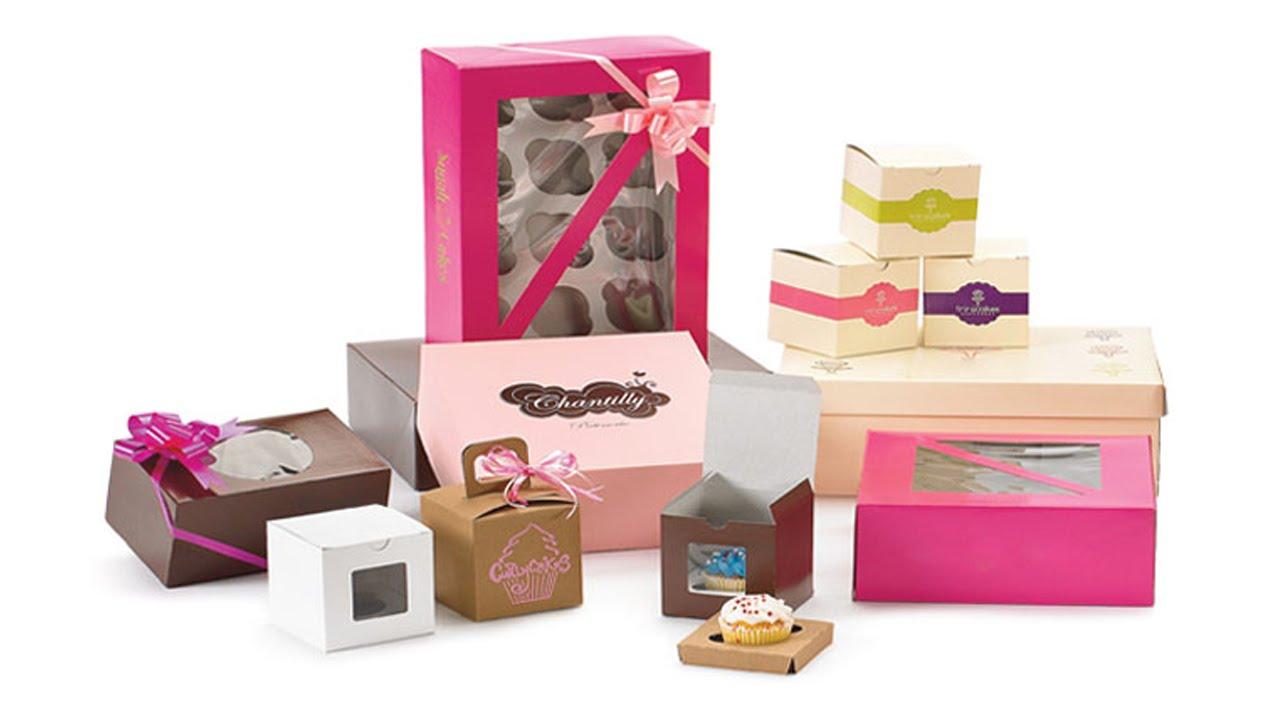
Creating gravity-defying cakes is a magical art, but it relies heavily on a hidden hero—the support structure. Without proper engineering, these cakes could collapse. One of the most overlooked yet essential parts of this design is the box that holds and protects them. Strong, well-thought-out boxes ensure cakes arrive safely while maintaining their aesthetic appeal.
Understanding the Role of Support in Cake Engineering
When designing tall or elaborate cakes, support is critical. Cake tiers need stability, and the base must withstand significant weight. Engineers often use dowels or rods inside the cake to prevent layers from toppling. However, this internal support is only part of the solution. The outer packaging also plays a crucial role. A poorly constructed box can cause the cake to lean or shift during transport. Therefore, a combination of internal and external support ensures a cake’s structural integrity.
The box must balance durability with aesthetics. Sturdy cardboard or reinforced materials are often chosen to withstand pressure without bending. Additionally, the box must be lightweight to make handling easier. Cakes that appear to float or twist in design need extra caution. Even minor movement during transport can damage delicate decorations. Moreover, the box’s design can influence how the cake is presented. Transparent sections or cutouts can allow a preview without removing it from the box. Such thoughtful engineering helps maintain both protection and visual appeal.
Cakes with unusual shapes, like spirals or stacked spheres, require custom solutions. Standard boxes may not fit perfectly and can compromise the cake’s stability. For example, a cake leaning sideways due to improper packaging can ruin the entire effect. By studying the cake’s weight distribution and center of gravity, designers can create boxes that enhance safety. Overall, the combination of smart internal supports and well-engineered boxes ensures elaborate cakes reach their destination intact and impressive.
Materials That Give Strength Without Weight
Choosing the right material for boxes is more complex than it appears. It must be strong enough to carry heavy cakes but light enough for easy handling. Cardboard reinforced with honeycomb structures is a popular choice. This material distributes weight evenly and resists bending. Plastic inserts or acrylic layers are sometimes added to increase rigidity.
Besides strength, moisture resistance is crucial. Cakes often contain frosting or fillings that release steam. Boxes made of untreated cardboard can absorb moisture, weakening their structure. Laminated cardboard or coated surfaces prevent this issue. The material should also be non-toxic and food-safe to avoid contamination.
Engineers sometimes use layered construction for maximum strength. For instance, a triple-layer box with reinforced corners can hold more weight than a single thick layer. Lightweight foams or corrugated inserts inside the box prevent the cake from shifting. These inserts are often designed to match the cake’s shape, ensuring even support throughout.
The design also considers handling during transport. A box that is too heavy can be difficult to carry and may increase the risk of accidents. Handles or grips integrated into the structure improve control. Some designs even allow the box to be stacked for easier transport of multiple cakes. By focusing on materials, engineers achieve an invisible strength that allows gravity-defying cakes to survive long journeys safely.
Balancing Airflow and Protection
Cakes need protection without trapping moisture that could damage decorations. Airflow inside a box is subtle but important. Proper ventilation prevents condensation, which can cause frosting to soften or decorations to sag. Designers often add small perforations or cutouts that maintain airflow without exposing the cake to dust.
These airflow channels must not compromise strength. Engineers carefully plan their placement, avoiding areas that would weaken the structure. The openings are often reinforced with additional layers to maintain rigidity. In some cases, mesh inserts are used to allow airflow while holding delicate structures in place.
Temperature control also matters. Cakes exposed to high humidity or heat can lose shape. Some boxes are insulated or include reflective surfaces to minimize heat transfer. The goal is to maintain a stable environment, keeping the cake intact during transit.
Airflow and protection must work together without requiring complex handling. Simple, thoughtful designs ensure that cakes reach their destination looking as intended. This invisible strength demonstrates that a box is more than a container—it is an engineering solution for fragile, artistic creations.
Custom Shapes for Gravity-Defying Designs
Not all cakes are square or round. Sculpted cakes or multi-tiered designs often have unusual shapes. Standard boxes rarely accommodate these forms. Engineers create custom shapes to support the cake without touching delicate decorations.
Custom-shaped inserts hold each tier in place. These inserts distribute weight evenly and prevent sliding. Often, they are removable, allowing for easy assembly or removal. These boxes can also include compartments for extra pieces, like decorative toppers, that could break if transported separately.
The design process considers how the cake will be lifted and placed into the box. Angles, curves, and overhangs are analyzed to avoid collision with the box walls. Engineers simulate movement and stress to ensure durability. Custom solutions are particularly important for cakes with suspended elements, such as floating tiers or structures with rods.
By adapting the box to the cake, designers achieve a seamless combination of protection and presentation. A well-engineered box supports creativity without imposing limits, allowing bakers to focus on their artistry.
Safety During Transportation
Transport is often the riskiest stage for elaborate cakes. Sudden stops or uneven surfaces can easily damage them. Boxes act as shock absorbers, preventing impact from reaching delicate structures.
Padding materials like foam or molded inserts provide cushioning. These components are designed to fit snugly around the cake without touching decorations. The box itself distributes pressure from stacking or external forces.
Handles or easy-grip designs reduce the risk of accidental drops. Engineers also consider weight distribution for easier carrying. For multi-tiered cakes, boxes may include separate compartments to keep layers stable during movement.
In professional delivery, boxes are often tested for stability under stress. This ensures that the cake remains intact even when faced with bumps or vibrations. By planning for real-world conditions, the invisible strength of the box guarantees that gravity-defying cakes arrive safely.
Environmental Considerations
Sustainable materials are increasingly important in packaging design. Many boxes now use recycled cardboard or biodegradable coatings. These materials provide strength while reducing environmental impact.
Lightweight construction also reduces transportation energy costs. Less material and lower weight contribute to sustainability without compromising protection. Some designs even use modular components, allowing boxes to be reused multiple times.
Engineers balance environmental concerns with functionality. Moisture-resistant coatings or reinforcements are chosen carefully to avoid harmful chemicals. This ensures that boxes are both safe for food and environmentally responsible.
By using eco-friendly materials, designers can create invisible strength that aligns with modern sustainability goals. Customers appreciate both the protection and the responsible approach, making these boxes a preferred choice for high-end cakes.
Aesthetic Integration With Cake Presentation
Boxes are not only functional; they can enhance presentation. Transparent panels allow a sneak peek at the cake without opening the box. Embossed or printed designs add elegance while maintaining strength.
Designers consider how the box complements the cake’s theme. For example, minimalistic boxes highlight intricate decorations, while ornate designs can reinforce a luxurious feel. This integration ensures that the first impression is as impressive as the final reveal.
Even interior inserts can contribute aesthetically. Color-matched or textured supports enhance visual appeal while holding the cake securely. Thoughtful design transforms a simple container into a part of the overall cake experience.
Practical Tips for Choosing the Right Box
- Ensure the box material is strong and moisture-resistant.
- Check if the box fits the cake shape precisely.
- Look for integrated handles or grips for safe transport.
- Choose designs that allow airflow without compromising strength.
- Consider reusable or eco-friendly options for sustainability.
By following these practical tips, bakers and designers can protect their creations while maintaining the artistic vision. The right box ensures safety, presentation, and ease of handling.
Innovation in Cake Box Engineering
New technologies are transforming cake packaging. 3D modeling allows engineers to test stress points before production. Custom inserts can be printed to fit unique cake structures perfectly.
Some designs incorporate smart features like temperature control or modular compartments. These innovations reduce the risk of damage and enhance the delivery experience.
The future of cake packaging is bright. By combining creativity, engineering, and sustainability, designers create invisible strength that protects even the most elaborate, gravity-defying cakes. The careful selection of materials and design features ensures that these masterpieces arrive safely while delighting customers.
Final Thoughts
The art of creating gravity-defying cakes relies on more than just skill in baking. Every elaborate design depends on invisible support systems that protect and stabilize the cake during transport. Among these, well-engineered boxes play a critical role. They combine strength, durability, and thoughtful design to ensure cakes reach their destination intact.
From carefully chosen materials to custom shapes, these boxes are designed with both safety and presentation in mind. Airflow, padding, and weight distribution are all considered to prevent damage while maintaining the cake’s aesthetic appeal. Sustainable and eco-friendly options show that packaging can be both responsible and functional.
For bakers, engineers, and designers, understanding the principles behind these boxes is essential. They allow creativity to flourish without compromising practicality. By integrating innovation, material science, and design, the invisible strength of these boxes ensures that even the most daring, gravity-defying cakes can survive the journey from kitchen to client.
Click Here: https://ibexpackaging.com/custom-cake-boxes/
- Digital Agency
- Literie
- Location de voitures
- Restaurant
- Restaurant
- Mode
- Mode
- Information
- Marketing
- Tourisme
- Développement
- Découverte
- Législation
- Gastronomie
- Pâtisserie
- مناسبة
- Art
- Causes
- Crafts
- Dance
- Drinks
- Film
- Fitness
- Food
- الألعاب
- Gardening
- Health
- الرئيسية
- Literature
- Music
- Networking
- أخرى
- Party
- Religion
- Shopping
- Sports
- Theater
- Wellness
 Arabic
 Indian
 English
 French
 Spanish
 Portuguese
 Deutsch
 Turkish
 Dutch
Dutch
 Italiano
 Russian
 Romaian
 Portuguese (Brazil)
 Greek
Greek
