


Emergency Situations: When Injection at Home Is Not Recommended
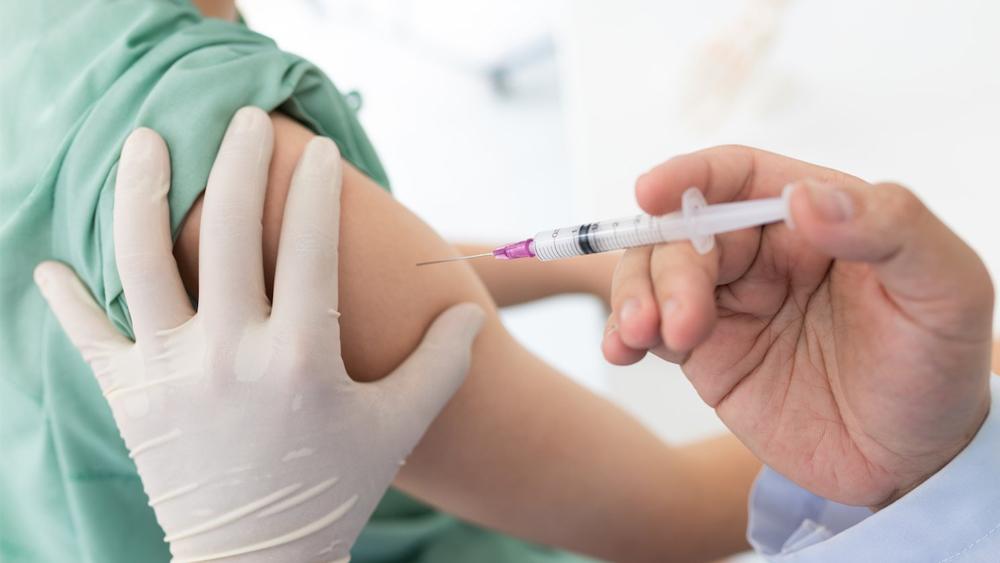
Injection at Home services offer convenience, comfort, and personalized care for routine medical treatments, but there are circumstances where receiving an injection at home is not advisable. In emergency situations or for patients with unstable conditions, attempting injections outside a hospital or clinical setting can be risky and potentially life-threatening. Understanding when home injections should be avoided helps patients and caregivers make safe decisions and ensures that urgent medical needs are addressed promptly in the appropriate environment.
Severe Allergic Reactions or Anaphylaxis:
Patients with a known history of severe allergic reactions may require immediate emergency intervention.
-
Risk of anaphylaxis requires immediate access to epinephrine and advanced life support
-
Delays in emergency response at home can be dangerous
-
Professional monitoring in a hospital ensures rapid management
-
Home administration should only occur under strict medical supervision if unavoidable
Acute Medical Conditions:
Certain acute health issues make home injections unsafe due to potential complications.
-
Unstable blood pressure, severe dehydration, or heart complications
-
Acute infections requiring IV antibiotics or other urgent treatments
-
Sudden onset of chest pain, shortness of breath, or neurological symptoms
-
Hospital-based injections ensure monitoring and emergency intervention
Complex or High-Risk Medications:
Some injections involve medications that require specialized handling or monitoring.
-
Chemotherapy or certain biologics with severe side effects
-
High-dose steroids or medications affecting cardiac or renal function
-
Drugs that may trigger severe reactions requiring immediate resuscitation
-
Hospital settings provide advanced monitoring, equipment, and trained personnel
Post-Surgical or Critical Care Situations:
Patients recovering from major surgery or in critical care conditions should avoid home injections.
-
Risk of complications such as bleeding, infection, or adverse drug interactions
-
Continuous monitoring for vital signs is necessary
-
Hospital-based care provides access to surgical teams and emergency protocols
-
Home injections may compromise recovery and delay detection of complications
Lack of Immediate Medical Support:
Emergency care requires rapid response capabilities that are not always available at home.
-
Limited access to resuscitation equipment and trained personnel
-
Delays in transport to hospitals can worsen outcomes
-
Professional monitoring ensures any adverse reaction is managed instantly
-
High-risk patients should always have injections administered in a facility
Pediatric or High-Risk Elderly Patients:
Certain age groups may require additional precautions that make home injections unsuitable.
-
Children with complex health conditions or allergies
-
Elderly patients with multiple comorbidities or frailty
-
Higher risk of adverse reactions or improper administration
-
Clinical settings provide specialized care and monitoring tailored to these populations
Patients with Coagulopathy or Bleeding Disorders:
Individuals with clotting disorders or on anticoagulant therapy may be at risk of bleeding complications.
-
Home injections increase the risk of uncontrolled bleeding or hematoma
-
Medical supervision ensures immediate intervention if complications occur
-
Hospitals can monitor coagulation levels and provide appropriate care
-
Certain intramuscular injections may be contraindicated in these patients
Severe Anxiety or Non-Cooperative Patients:
Some patients may not tolerate injections at home due to psychological or behavioral concerns.
-
Severe needle phobia can result in improper administration or injury
-
Children or patients with cognitive impairments may resist treatment
-
Hospital environments provide sedation or distraction techniques
-
Ensures injection is administered safely and effectively
Complications with IV or Multiple-Component Injections:
Complex injections requiring multiple components or IV access may not be suitable at home.
-
Requires professional monitoring for infusion rates and reactions
-
Risk of air embolism, phlebitis, or line-related infection
-
Hospitals have emergency protocols and trained personnel for immediate intervention
-
Home care is only suitable if simplified administration and monitoring are possible
When to Seek Immediate Medical Care:
Recognizing warning signs that require hospital attention is critical for patient safety.
-
Persistent dizziness, fainting, or rapid heartbeat after injection
-
Severe swelling, rash, or shortness of breath indicating allergic reaction
-
Uncontrolled pain or bleeding at the injection site
-
Any sudden or severe symptom that cannot be managed at home
Final Thoughts.
While Injection at Home provides convenience and comfort for routine treatments, certain emergency situations make home administration unsafe. Severe allergic reactions, acute medical conditions, high-risk medications, post-surgical complications, or vulnerable patient populations require hospital-based care. Understanding these limitations ensures patient safety and prevents potentially life-threatening complications. Patients and caregivers should always assess risk factors and consult healthcare professionals before opting for home injections, ensuring that urgent medical needs are addressed in the proper clinical setting.
- Digital Agency
- Literie
- Location de voitures
- Restaurant
- Restaurant
- Mode
- Mode
- Information
- Marketing
- Tourisme
- Développement
- Découverte
- Législation
- Gastronomie
- Pâtisserie
- Etkinlik
- Art
- Causes
- Crafts
- Dance
- Drinks
- Film
- Fitness
- Food
- Oyunlar
- Gardening
- Health
- Ana sayfa
- Literature
- Music
- Networking
- diğer
- Party
- Religion
- Shopping
- Sports
- Theater
- Wellness
 Turkish
 Indian
 English
 French
 Arabic
 Spanish
 Portuguese
 Deutsch
 Dutch
Dutch
 Italiano
 Russian
 Romaian
 Portuguese (Brazil)
 Greek
Greek
