


Outdoor Decking Made From Strand Woven Bamboo: What to Expect
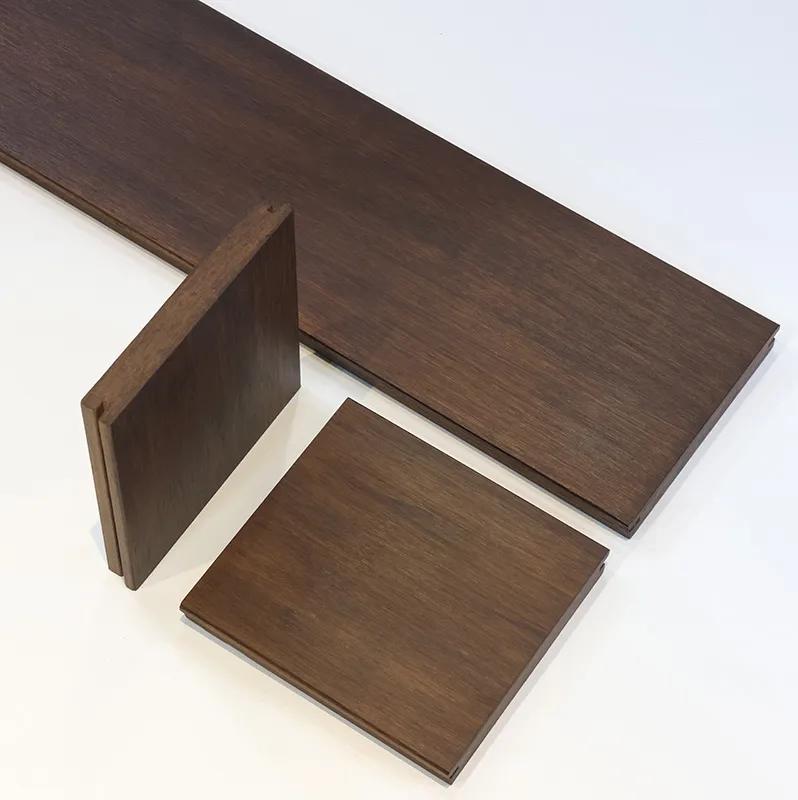
Strand woven bamboo has moved from being an interior flooring favorite to becoming a strong contender in the outdoor decking category. As more homeowners and builders look for durable, sustainable materials that can handle moisture, sunlight, foot traffic, and changing temperatures, strand woven bamboo has captured attention for its stability, impressive density, and natural appearance. Still, many people are unsure what to expect from this type of decking once it’s exposed to the elements. Understanding how strand woven bamboo is made, how it behaves outdoors, and what influences its long‑term performance helps create a clearer picture of its real‑world capabilities.
How Strand Woven Bamboo Decking Is Manufactured
Strand woven bamboo begins with raw bamboo culms that are split, fiberized, and then processed with heat and pressure. Unlike traditional bamboo boards, which are simply flattened and laminated, strand woven bamboo involves a more intensive method that reconfigures the fibers into an exceptionally dense structure.
Fiber Preparation
The bamboo is cut into thin strips and then shredded into long, flexible fibers. During this stage, sugars and starches are removed through steam or controlled thermal treatment. This step is essential because it eliminates organic components that attract mold or pests.
Resin Blending
The bamboo fibers are mixed with outdoor‑grade resins. These resins bond the fibers together during compression and help create a moisture‑resistant composite. The type of resin used varies between manufacturers; exterior‑grade blends offer the strongest performance for outdoor decking.
High‑Pressure Compression
The fibers and resin are compressed under extreme pressure to form dense blocks, which are then cut into decking boards. The final density can exceed that of many tropical hardwoods. This density contributes to its durability, hardness, and structural stability.
Finishing and Coating
To prepare the boards for outdoor use, manufacturers apply multi‑layer UV‑resistant coatings that protect the surface from sunlight and moisture. Some products are pre‑finished at the factory, while others require finishing after installation.
This engineered approach gives strand woven bamboo characteristics that differ significantly from natural bamboo or traditional lumber.
Strength and Durability Expectations
Strand woven bamboo is known for its high density and strength. These properties make it well‑suited for outdoor applications, but the performance depends on quality, coating systems, and installation.
Density and Impact Resistance
The density of strand woven bamboo can reach more than twice that of many softwoods. This gives the decking:
- High resistance to denting
- Excellent load‑bearing capability
- Good resistance to surface wear
- Stability under heavy use
This makes it suitable for residential decks, commercial walkways, and other high‑traffic areas.
Stability Under Temperature Changes
Outdoor materials often expand and contract when exposed to heat and cold. Strand woven bamboo responds less dramatically due to its compressed structure. When installed correctly with appropriate spacing, it holds its shape well throughout seasonal shifts.
Resistance to Pests
Because the sugars have been removed and the fibers stabilized, strand woven bamboo provides little food value for insects such as termites. This resistance helps extend the lifespan of decks in regions where pests are a concern.
Moisture and Weather Performance
One of the most important factors for any decking material is how it handles moisture. Outdoor decks endure rain, humidity, and in some climates, snow and frost. Strand woven bamboo performs differently from natural wood because of its engineered composition.
Water Absorption
Strand woven bamboo absorbs far less water than untreated timber due to its compact fiber structure and resin reinforcement. Lower water absorption means:
- Less swelling
- Reduced risk of warping
- Lower chance of cracking
- Stronger resistance to decay
However, the level of moisture resistance varies between brands, especially depending on coating quality and resin type.
Mold and Mildew Resistance
A well‑manufactured strand woven bamboo board has fewer nutrients that support mold growth. The heat treatment phase kills spores, and outdoor coatings prevent moisture from lingering on the surface. Proper ventilation below the deck further reduces mold risk.
Performance in Wet Climates
In regions with frequent rain or high humidity, strand woven bamboo often performs better than many wood species. Consistent maintenance of the protective coating ensures the boards remain shielded from long‑term moisture exposure.
Sunlight and UV Behavior
Outdoor decking must endure hours of sunlight across many years. UV exposure can affect color, coating integrity, and surface texture over time.
Color Change
Strand woven bamboo naturally undergoes color changes when exposed to sunlight. Depending on the coating system, it may gradually lighten or shift toward a more weathered tone. Many homeowners appreciate this natural aging process, but those who prefer preserving the original color should plan for periodic recoating.
Surface Stability
Thanks to its density, strand woven bamboo resists surface checking better than some hardwoods. The UV‑resistant coating helps prevent dryness and protects the top layer of fibers.
Heat Build‑Up
All dense decking materials warm up under strong sunlight. Light‑colored strand woven bamboo finishes tend to stay cooler than darker ones. The degree of heat build‑up varies based on shading, climate, and orientation.
Maintenance Expectations
While strand woven bamboo decking is designed for durability, no outdoor material is entirely maintenance‑free.
Routine Cleaning
Dust, leaves, pollen, and surface debris should be washed off periodically. Simple cleaning prevents residue buildup that might prematurely wear coatings or trap moisture.
Recoating
Exposure to sun and rain gradually wears down protective finishes. Recoating schedules depend on climate, but many manufacturers recommend refreshing the surface coating every one to three years. This helps retain color, protect fibers, and maintain the deck’s overall appearance.
Checking Fasteners
As decks age, fasteners may require tightening or replacement. Hidden clip systems allow planks to move as needed, reducing stress on the joints. Proper installation minimizes maintenance needs in this area.
Aesthetic Qualities
Appearance plays a major role in choosing decking material. Strand woven bamboo offers a distinctive style that blends natural warmth with clean, modern lines.
Grain Patterns
The interwoven fibers create a tight, consistent grain that differs from the knots and variations seen in natural wood. The result is a refined look suitable for contemporary, minimalist, or upscale outdoor spaces.
Color Options
Manufacturers provide various tones, from warm caramel hues to darker coffee shades. Because the color is often influenced by carbonization and heat treatment, the aesthetic tends to remain rich even as the boards age.
Compatibility With Outdoor Design
Strand woven bamboo pairs well with stone patios, garden greenery, metal accents, and modern architectural designs. Its uniform texture and natural appearance help create smooth transitions within outdoor living areas.
Environmental Considerations
Bamboo is known for its sustainability, and strand woven bamboo decking retains this environmental advantage even with its engineered manufacturing process.
Rapid Regrowth
Bamboo can reach maturity in three to five years, making it one of the fastest‑renewing building materials. This fast growth cycle reduces pressure on forests and supports responsible resource use.
High Yield
More of the plant is used during manufacturing than in traditional sawn lumber production, reducing waste and improving efficiency.
Longevity
Long service life enhances sustainability by reducing the need for frequent replacements, lowering long‑term environmental impact.
Manufacturing Emissions
Heat and resin use contribute to the carbon footprint, but overall, strand woven bamboo typically performs favorably compared with hardwoods that require decades to regrow.
Installation Factors That Influence Performance
Proper installation is crucial for maximizing the lifespan and stability of strand woven bamboo decking.
Ventilation
Adequate airflow beneath the deck prevents moisture accumulation. Raised installation structures help keep the deck dry and balanced.
Spacing
Boards need enough spacing to accommodate minor expansion. Manufacturers provide specific guidelines, and following these recommendations makes a noticeable difference over time.
Joist Structure
A stable, well‑spaced joist system ensures that the dense bamboo planks remain firmly supported. Since strand woven bamboo is heavier than many woods, stable framing is essential.
Fastener Selection
Hidden clip systems or stainless steel fasteners are commonly recommended. Corrosion‑resistant hardware is especially important in coastal or humid regions.
What to Expect Over the Years
Strand woven bamboo decking is designed for long‑term outdoor performance. Over the years, users can expect:
- Reliable structural strength
- A natural weathering process in color
- Minimal deformation with proper installation
- Resistance to insects and moisture
- Strong performance in high‑traffic areas
- The need for periodic maintenance to preserve finish integrity
Its engineered nature gives it a balance of stability, durability, and aesthetics that make it a competitive choice for outdoor applications.
Across different climates—whether humid, coastal, dry, or hot—well‑manufactured strand woven bamboo decking offers a dependable performance profile. When selected carefully and maintained according to recommendations, it provides long-lasting beauty and strength for patios, pool areas, walkways, and other outdoor living spaces.
- Digital Agency
- Literie
- Location de voitures
- Restaurant
- Restaurant
- Mode
- Mode
- Information
- Marketing
- Tourisme
- Développement
- Découverte
- Législation
- Gastronomie
- Pâtisserie
- Мероприятие
- Art
- Causes
- Crafts
- Dance
- Drinks
- Film
- Fitness
- Food
- Игры
- Gardening
- Health
- Главная
- Literature
- Music
- Networking
- Другое
- Party
- Religion
- Shopping
- Sports
- Theater
- Wellness
 Russian
 Indian
 English
 French
 Arabic
 Spanish
 Portuguese
 Deutsch
 Turkish
 Dutch
Dutch
 Italiano
 Romaian
 Portuguese (Brazil)
 Greek
Greek
