


What Are the Different Types of Public Transportation in the UAE
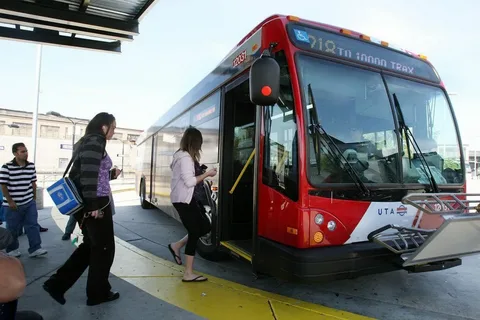
The United Arab Emirates has developed one of the most advanced and well-organized public transportation networks in the Middle East. Designed to support rapid urban growth, tourism, and daily commuting, the system connects cities, suburbs, and key economic zones with speed and reliability. Whether you are a resident or a visitor, understanding the available options makes travel across the country easier and more efficient.
Public transport in the UAE focuses on comfort, safety, and accessibility. Modern infrastructure, digital payment systems, and clear regulations ensure smooth movement across emirates. In major cities, Transportation Services play a vital role in reducing traffic congestion and supporting sustainable mobility.
Overview of Public Transportation in the UAE
Each emirate manages its own transport authority, but systems follow similar standards. Dubai’s Roads and Transport Authority (RTA) and Abu Dhabi’s Integrated Transport Centre (ITC) are the most prominent examples. Together, they offer a wide range of transport modes tailored to different travel needs.
Public transportation options include rail-based systems, road transport, water transport, and on-demand mobility solutions. Most services operate on fixed schedules and routes, making them reliable for daily use.
Metro Rail Systems
Dubai Metro
Dubai Metro is the most widely used rail system in the UAE. It is fully automated and runs without drivers. The network consists of two main lines that connect residential areas, business districts, and major landmarks.
Key features include:
-
Air-conditioned stations and trains
-
Dedicated cabins for women and families
-
Direct access to malls, airports, and business hubs
-
Integrated ticketing with other transport modes
The metro is known for punctuality and cleanliness. It is often the fastest way to move across Dubai during peak hours.
Tram Services
Dubai Tram operates mainly in coastal and residential zones such as Dubai Marina and Jumeirah Beach Residence. It complements the metro by covering shorter distances and providing last-mile connectivity.
Trams run at street level and follow strict safety protocols. They are ideal for short urban trips and leisure travel.
Public Bus Networks
Public buses form the backbone of intercity and intracity transport across the UAE. They operate in all major emirates and cover areas not served by rail systems.
City Buses
Urban buses run on fixed routes within cities like Dubai, Abu Dhabi, Sharjah, and Ajman. These buses are modern, air-conditioned, and designed for comfort even in hot weather.
Common advantages include:
-
Affordable fares
-
Extensive route coverage
-
Accessibility for elderly and disabled passengers
-
Integration with metro and tram stations
Intercity Buses
Intercity buses connect different emirates. They are commonly used for daily commuting between Dubai, Sharjah, Abu Dhabi, and the Northern Emirates.
These buses operate from central bus stations and follow strict schedules. They offer a cost-effective alternative to private vehicles for long-distance travel.
Taxis and Regulated Ride Services
Taxis are an essential part of public transport in the UAE. They are regulated by government authorities and operate under standardized pricing.
Metered Taxis
Metered taxis are widely available across all emirates. They can be hailed on the street, booked through apps, or found at designated taxi ranks.
Notable features include:
-
Transparent fare structure
-
Professional, licensed drivers
-
Availability at airports and major public locations
App-Based Ride Services
App-based ride services operate alongside traditional taxis. While slightly more expensive, they offer convenience, digital payments, and route tracking. These services are especially popular among tourists and business travelers.
Marine and Water Transport
In coastal cities, water transport provides both practical and scenic travel options.
Abras
Abras are traditional wooden boats used mainly in Dubai Creek. They serve as a short-distance crossing method between historic districts.
They remain popular due to:
-
Extremely low fares
-
Frequent departures
-
Cultural significance
Water Taxis and Ferries
Modern water taxis and ferries operate along coastal routes and marinas. These services are commonly used for leisure travel but also serve commuters in waterfront areas.
They offer comfortable seating and clear views of the skyline, making them a unique transport experience.
Monorail Systems
The Palm Jumeirah Monorail is the primary example of monorail transport in the UAE. It connects the mainland to the Palm Jumeirah island.
While limited in coverage, it serves a specific purpose. It links residential areas, hotels, and tourist attractions efficiently. The monorail operates on an elevated track and offers panoramic views.
Shared Mobility and Microtransport
The UAE has gradually introduced shared mobility solutions to support short-distance travel and first-mile or last-mile connectivity.
Bike Sharing
Bike-sharing systems are available in selected urban zones. Dedicated cycling tracks support safe use, especially in Dubai and Abu Dhabi.
These systems are often used for:
-
Short commutes
-
Leisure rides
-
Connecting to metro or bus stations
Electric Scooters
Electric scooters operate in regulated zones. Users can rent them through mobile apps for short trips. Speed limits and parking rules are strictly enforced to ensure pedestrian safety.
Accessibility and Smart Payment Systems
Public transport in the UAE emphasizes inclusivity and technology. Most vehicles and stations support people with disabilities through ramps, reserved seating, and audio-visual guidance.
Payment systems are unified and digital. Smart cards and mobile wallets allow seamless transfers between buses, metros, trams, and marine transport. This integration improves convenience and reduces travel time.
Environmental Impact and Sustainability
The UAE continues to invest in eco-friendly transport solutions. Electric buses, hybrid taxis, and rail systems help reduce carbon emissions.
Public transport expansion supports national sustainability goals by:
-
Lowering fuel consumption
-
Reducing road congestion
-
Encouraging shared mobility
Future plans include expanded metro lines, autonomous transport trials, and increased use of clean energy.
Choosing the Right Public Transport Option
Selecting the best transport mode depends on distance, time, and location. Rail systems suit long urban commutes. Buses cover wider areas. Taxis offer flexibility. Water transport works well in coastal zones.
For daily travel, many residents combine multiple options using integrated ticketing. This flexibility allows efficient movement without relying on private vehicles.
Final Thoughts
Public transportation in the UAE reflects the country’s focus on efficiency, innovation, and quality of life. From high-speed metro systems to traditional water boats, each mode serves a clear purpose. As cities continue to grow, public transport will remain central to urban mobility and sustainable development.
- Digital Agency
- Literie
- Location de voitures
- Restaurant
- Restaurant
- Mode
- Mode
- Information
- Marketing
- Tourisme
- Développement
- Découverte
- Législation
- Gastronomie
- Pâtisserie
- Evento
- Art
- Causes
- Crafts
- Dance
- Drinks
- Film
- Fitness
- Food
- Juegos
- Gardening
- Health
- Inicio
- Literature
- Music
- Networking
- Otro
- Party
- Religion
- Shopping
- Sports
- Theater
- Wellness
 Spanish
 Indian
 English
 French
 Arabic
 Portuguese
 Deutsch
 Turkish
 Dutch
Dutch
 Italiano
 Russian
 Romaian
 Portuguese (Brazil)
 Greek
Greek
