


How Long Do Solar Panels Last in Australia’s Climate?
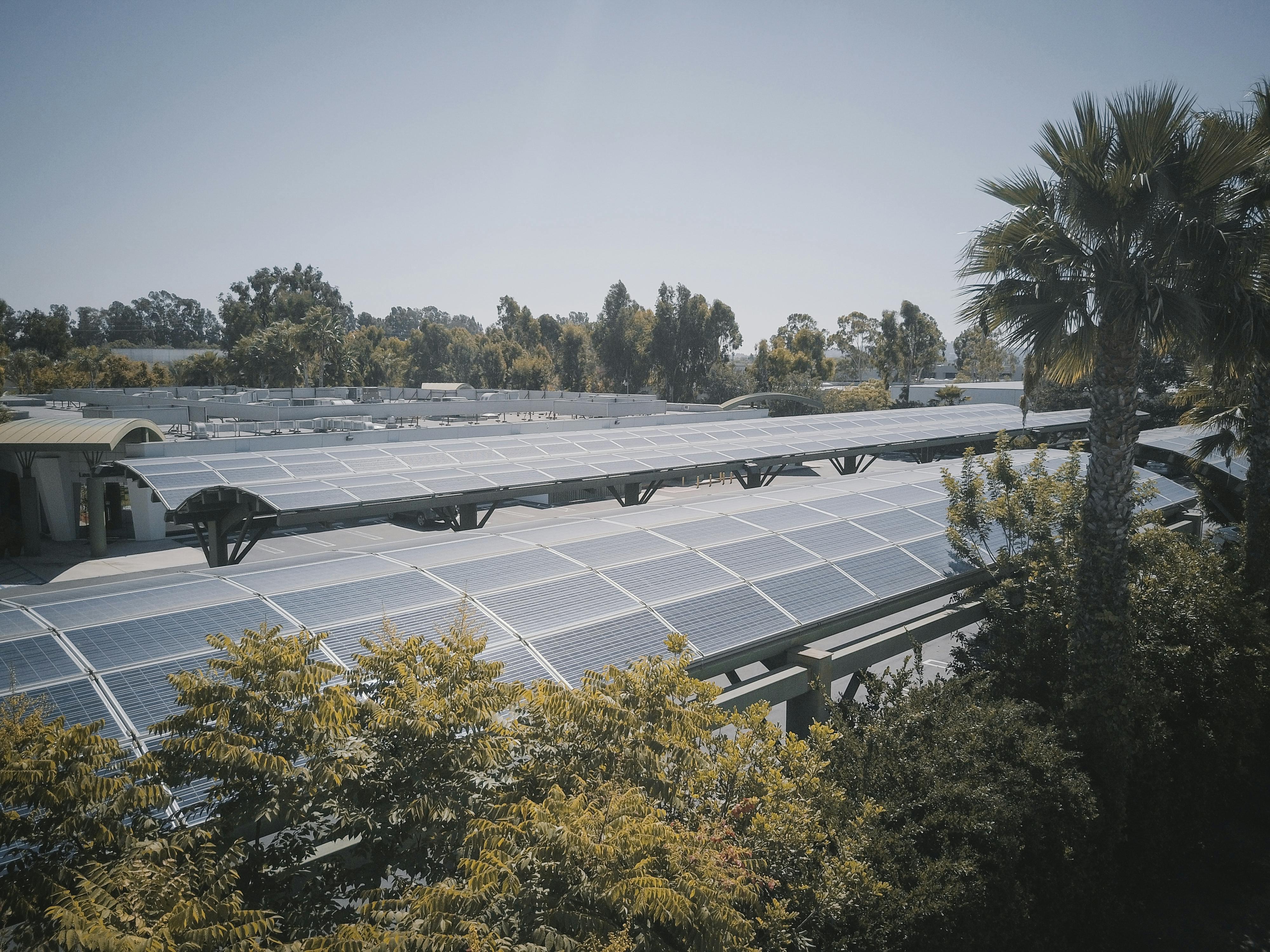
Solar panels are a long-term investment, and in Australia—where sunlight is abundant and energy costs continue to rise—their durability is a critical consideration for homeowners and businesses alike. From intense UV exposure to coastal salt air and extreme heat, Australia’s climate is unique. Understanding how these factors affect panel lifespan is essential, especially for those considering solar energy in perth, where high sun hours combine with heat and dry conditions to shape system performance over decades.
Average Lifespan of Solar Panels in Australia
Most modern solar panels installed in Australia are designed to last 25 to 30 years, with many continuing to generate electricity well beyond that period. This does not mean they stop working after 30 years; instead, their efficiency gradually declines. High-quality panels typically degrade at a rate of 0.3% to 0.8% per year, meaning that after 25 years, a well-installed system may still operate at 80–90% of its original capacity.
Australian standards for solar equipment are among the strictest globally. Panels sold and installed locally must meet rigorous certification requirements, which directly contributes to their long operational life under harsh conditions.
How Australia’s Climate Impacts Solar Panel Longevity
High UV Exposure and Sun Intensity
Australia experiences some of the highest UV radiation levels in the world. While this can accelerate wear on inferior materials, reputable solar panels are manufactured using tempered glass, corrosion-resistant frames, and UV-stable encapsulants. These materials are engineered to withstand decades of intense sun without cracking, yellowing, or delaminating.
Extreme Heat and Temperature Fluctuations
Contrary to common belief, heat—not sunlight—is often the bigger enemy of electronics. In regions such as Western Australia, prolonged summer heat can stress solar cells and inverters. However, premium panels are tested for thermal cycling, meaning they are designed to expand and contract without internal damage. Proper mounting and airflow further reduce heat-related degradation.
Coastal Conditions and Corrosion
In coastal areas, salt-laden air can corrode metal components over time. Australian-grade solar panels typically feature anodised aluminium frames and stainless-steel fixings to combat corrosion. When installed correctly, even coastal systems can achieve full lifespan expectations.
Performance Degradation Over Time
Year-by-Year Output Decline
Solar panels do not fail suddenly. Instead, they experience a slow, predictable reduction in output. After:
-
10 years: Panels often retain 92–95% efficiency
-
20 years: Efficiency usually remains around 85–90%
-
30 years: Many systems still operate above 75–80%
This gradual decline allows system owners to plan long-term energy usage and financial returns with confidence.
Warranty vs Actual Lifespan
Most manufacturers provide:
-
Product warranties of 10–15 years (covering defects)
-
Performance warranties of 25–30 years (guaranteeing minimum output)
In practice, many systems exceed warranty expectations when installed and maintained professionally.
Role of Installation Quality in Panel Longevity
Professional Installation Matters
Even the best solar panels can underperform or fail prematurely if installed incorrectly. Poor roof penetration sealing, inadequate mounting, or incorrect tilt and orientation can expose panels to unnecessary stress. Australian conditions demand installations that account for wind loads, thermal expansion, and long-term roof integrity.
Inverter and System Components
While panels last decades, inverters usually have a shorter lifespan—typically 10 to 15 years. Replacing an inverter during the life of the panels is normal and does not reduce overall system value. Cables, isolators, and mounting hardware also contribute to system longevity and should meet Australian Standards.
Maintenance and Its Impact on Solar Panel Life
Do Solar Panels Require Regular Maintenance?
Solar panels are low-maintenance, but not maintenance-free. Periodic inspections and occasional cleaning help ensure optimal performance. Dust, bird droppings, and debris can reduce output, particularly in dry regions.
Recommended Maintenance Practices
-
Visual inspection once or twice a year
-
Cleaning panels if dirt buildup is visible
-
Checking system monitoring for performance drops
-
Ensuring no shading from new tree growth or structures
These simple steps can extend effective system life and maximise long-term returns.
Are Older Solar Panels Still Worth Keeping?
Many Australian homes installed solar systems more than a decade ago. While newer panels are more efficient, older systems often remain financially beneficial. Unless panels are physically damaged or severely underperforming, replacement is rarely urgent. In many cases, adding panels or upgrading the inverter can modernise an existing system without full replacement.
Long-Term Value of Solar Panels in Australia
Return on Investment Over Decades
Given Australia’s high electricity prices and abundant sunshine, most solar systems pay for themselves within 4 to 7 years. After that, every year of operation represents pure savings. A system lasting 25–30 years delivers decades of reduced energy bills and protection from future price rises.
Environmental and Property Benefits
Long-lasting solar panels also reduce carbon emissions year after year. Properties with established solar systems often attract higher buyer interest, particularly when the system has a proven performance history.
Conclusion: Built for Australia’s Conditions
Solar panels installed in Australia are engineered for endurance. With high-quality equipment, professional installation, and minimal maintenance, systems routinely deliver reliable energy for three decades or more. Australia’s climate, while demanding, is not a barrier—it is the very reason solar power remains one of the most resilient and valuable energy solutions available today.
- Digital Agency
- Literie
- Location de voitures
- Restaurant
- Restaurant
- Mode
- Mode
- Information
- Marketing
- Tourisme
- Développement
- Découverte
- Législation
- Gastronomie
- Pâtisserie
- Etkinlik
- Art
- Causes
- Crafts
- Dance
- Drinks
- Film
- Fitness
- Food
- Oyunlar
- Gardening
- Health
- Ana sayfa
- Literature
- Music
- Networking
- diğer
- Party
- Religion
- Shopping
- Sports
- Theater
- Wellness
 Turkish
 Indian
 English
 French
 Arabic
 Spanish
 Portuguese
 Deutsch
 Dutch
Dutch
 Italiano
 Russian
 Romaian
 Portuguese (Brazil)
 Greek
Greek
