


SMD Screen: The Future of Digital Display Technology
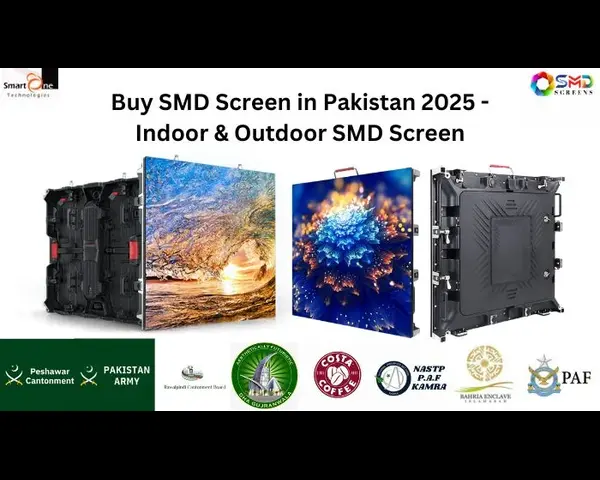
In today’s fast-moving digital world, visual communication has become more powerful than ever. Businesses, brands, institutions, and even governments rely heavily on display technology to deliver messages quickly and effectively. Among all modern display solutions, the SMD screen stands out as the most advanced, reliable, and visually impressive option available today. From outdoor advertising billboards to indoor conference halls, SMD screens have transformed the way information is displayed and experienced.
This article explores SMD screens in depth, explaining what they are, how they work, their types, benefits, applications, and why they are considered the future of digital displays.
What Is an SMD Screen?
An SMD screen is a digital display that uses Surface Mounted Device (SMD) LED technology. Unlike traditional LED displays that use separate red, green, and blue lamps, SMD technology combines all three colors into a single compact chip. This small yet powerful design allows the screen to produce brighter, sharper, and more vibrant visuals.
Because of their compact structure and high pixel density, SMD screens can display clear images even at close viewing distances. This makes them ideal for both indoor and outdoor environments where image quality is a top priority.
How SMD Technology Works
SMD technology is based on placing tiny LED chips directly onto the surface of a printed circuit board. Each chip contains red, green, and blue diodes that work together to create millions of colors. When these chips are arranged in a grid, they form a complete digital display.
The key to SMD screen quality lies in pixel pitch, which is the distance between two LED chips. A smaller pixel pitch means higher resolution and better image clarity. This is why modern SMD screens are capable of displaying ultra-high-definition content with excellent color accuracy.
Types of SMD Screens
SMD screens are available in various types, each designed for specific uses. The most common types include:
Indoor SMD Screens
Indoor SMD screens are designed for close viewing distances and controlled lighting environments. They have smaller pixel pitch values, resulting in sharper images and smoother video playback. These screens are commonly used in shopping malls, control rooms, conference halls, classrooms, exhibition centers, and television studios.
Outdoor SMD Screens
Outdoor SMD screens are built to withstand harsh weather conditions such as rain, dust, heat, and direct sunlight. They are brighter than indoor screens and come with waterproof protection. These displays are widely used for advertising billboards, roadside displays, stadiums, and public information systems.
Semi-Outdoor SMD Screens
Semi-outdoor screens are suitable for areas that are partially exposed to sunlight. They offer a balance between brightness and power consumption, making them ideal for shop fronts, building entrances, and covered outdoor areas.
Flexible SMD Screens
Flexible SMD screens are a modern innovation that allows the display to bend and curve. These screens are lightweight, thin, and highly creative in design. They are commonly used in architectural displays, stage decoration, and creative advertising campaigns.
Advantages of SMD Screens
SMD screens have become popular because of the many benefits they offer over traditional display technologies.
Superior Image Quality
SMD screens provide high resolution, sharp images, and smooth video playback. Their color reproduction is excellent, making content look natural and attractive.
Wide Viewing Angle
Unlike older LED displays, SMD screens can be viewed clearly from almost any angle. This ensures that viewers get the same visual experience regardless of where they are standing.
Energy Efficiency
Modern SMD screens are designed to consume less power while delivering high brightness. This reduces electricity costs and makes them more environmentally friendly.
Long Lifespan
High-quality SMD screens can last up to 100,000 hours of continuous use. This makes them a long-term investment for businesses and organizations.
Lightweight and Slim Design
SMD screens are thinner and lighter than traditional LED displays, making installation easier and more flexible.
Easy Maintenance
Individual modules of SMD screens can be replaced easily, reducing downtime and maintenance costs.
Applications of SMD Screens
SMD screens are used in almost every industry due to their versatility and performance.
Advertising and Marketing
Businesses use SMD screens to display high-impact advertisements that attract attention and increase brand visibility. Moving visuals and bright colors make digital ads more effective than static banners.
Retail Stores
In retail environments, SMD screens are used to promote products, display offers, and create a modern shopping experience.
Corporate Offices
Companies use SMD screens in boardrooms and lobbies to display presentations, announcements, and branding content.
Education Sector
Schools and universities use SMD screens for digital learning, presentations, and virtual classrooms.
Events and Entertainment
Concerts, exhibitions, weddings, and stage shows rely on SMD screens to create immersive visual experiences.
Sports Stadiums
Large outdoor SMD screens display live scores, replays, and advertisements, enhancing the spectator experience.
Public Information
Airports, railway stations, and hospitals use SMD screens to provide real-time information to the public.
Why SMD Screens Are Better Than Traditional Displays
Compared to LCD and older LED technologies, SMD screens offer clear advantages. They perform better in bright environments, have higher durability, and can be customized to any size or shape. Traditional screens often struggle with brightness and visibility in outdoor settings, while SMD screens remain clear and vibrant even under direct sunlight.
Another major advantage is scalability. SMD screens can be expanded to cover large areas without losing image quality, making them ideal for large venues and outdoor advertising.
Choosing the Right SMD Screen
When selecting an SMD screen, it is important to consider several factors. The viewing distance will determine the required pixel pitch. The installation environment will decide whether an indoor or outdoor screen is needed. Content type, brightness level, and budget are also important considerations.
Professional installation and quality components play a major role in the performance and lifespan of the screen. Choosing a reliable supplier ensures better results and long-term value.
The Future of SMD Screens
SMD technology continues to evolve rapidly. With advancements in micro-LED technology, SMD screens are becoming even more energy-efficient, brighter, and sharper. Future displays will offer higher refresh rates, better contrast ratios, and smarter control systems integrated with AI and cloud platforms.
As digital communication grows, SMD screens will become an essential part of smart cities, intelligent advertising, and interactive experiences.
Conclusion
SMD screens are not just display devices; they are powerful communication tools that bring content to life. Their high image quality, durability, flexibility, and energy efficiency make them the top choice for modern digital displays. Whether used for advertising, education, entertainment, or information sharing, SMD screens deliver unmatched performance and visual impact.
In a world where attention is the most valuable asset, SMD screens help brands and organizations stand out, connect with their audience, and deliver messages with clarity and style. Investing in SMD screen technology is not just a smart choice—it is a future-ready decision.
- Digital Agency
- Literie
- Location de voitures
- Restaurant
- Restaurant
- Mode
- Mode
- Information
- Marketing
- Tourisme
- Développement
- Découverte
- Législation
- Gastronomie
- Pâtisserie
- Veranstaltung
- Art
- Causes
- Crafts
- Dance
- Drinks
- Film
- Fitness
- Food
- Spiele
- Gardening
- Health
- Startseite
- Literature
- Music
- Networking
- Andere
- Party
- Religion
- Shopping
- Sports
- Theater
- Wellness
 Deutsch
 Indian
 English
 French
 Arabic
 Spanish
 Portuguese
 Turkish
 Dutch
Dutch
 Italiano
 Russian
 Romaian
 Portuguese (Brazil)
 Greek
Greek
