


Food Product Development Process: From Recipe to Market
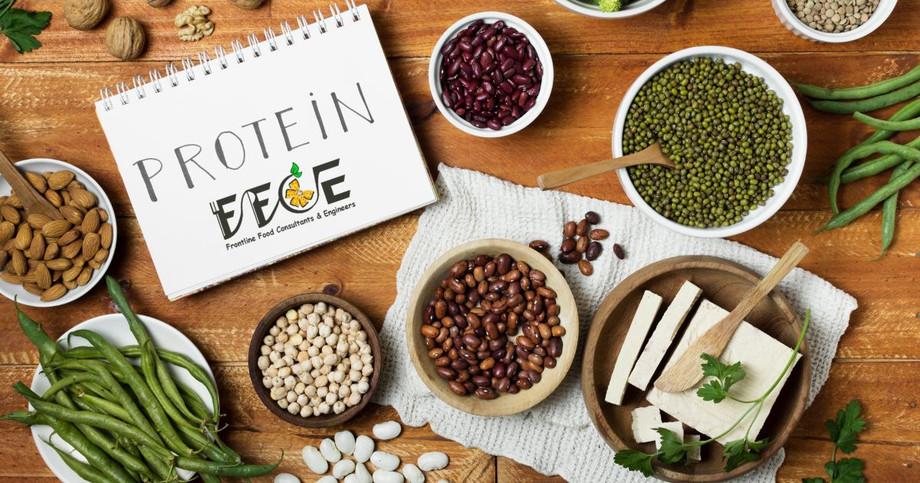
Transforming a recipe from a concept into a tangible product is no easy feat and it demands knowledge, creativity and a fastidious approach. This process of food product development goes through several stages – ideation and research, proper planning and recipe formulation, discussion with food scientists, ingredient selection, testing and prototyping, sensory evaluation, scale-up and regulatory compliance, packaging design, analysis of marketing strategies, identifying the current trends and finally product commercialization. The recipe formulators who glean customer preferences and attempt to balance quality with business sustainability will navigate the path of success. Food recipe development is achieved by focusing and understanding the intricate aspects such as food properties, functions and sensory evaluation (appearance, taste, texture and aroma). This will enable the customers to resonate with the product.
New product development is one of the key avenues available for a company to thrive and this starts with product prototyping. This step is very crucial as it equips the food developers with the confidence to produce it in large scale. The initial versions of the product derived from a formulation are presented to sensory analysts and the responses obtained from them are taken into consideration for further iterations. This approach brings benefit in refining recipes by assessing the performance with respect to shelf-life stability and nutritional aspects, ensuring quality and food safety, identifying the economical ingredient substitutions with limited productions costs. Of late, consumers are inclined towards low-calorie, gluten-free and high-protein products that help in their overall wellbeing. It is therefore imperative to leverage advanced technologies to develop safe and innovative products. The integration of artificial intelligence in the food sector has helped in identifying safety hazards with corrective actions, thereby elevating the product quality and safety.
Transitioning from lab-scale to large-scale production is the next stage in development that requires pilot testing. This study helps to identify challenges in processing times, instrument efficiency and variations in food ingredient interactions and therefore recommendations from food product development consultants and engineers becomes significant. Effective marketing emphasizes the unique selling points and the health benefits associated with the product. This will help to lure customers and drive sales. The final phase is the successful launch of the product that encompasses design, packaging, pricing and distribution. A successful launch is preceded by a pre-launch buzz that involves sharing tidbits of information through social media. This whets consumers’ appetites for the product. Public relations, digital campaigns and in-store promotions enable building brand awareness. Repeat product purchases is possible only by obtaining customer feedback and so the companies must focus on post-product launch analysis for consumer retention.
- Digital Agency
- Literie
- Location de voitures
- Restaurant
- Restaurant
- Mode
- Mode
- Information
- Marketing
- Tourisme
- Développement
- Découverte
- Législation
- Gastronomie
- Pâtisserie
- Event
- Art
- Causes
- Crafts
- Dance
- Drinks
- Film
- Fitness
- Food
- Games
- Gardening
- Health
- Home
- Literature
- Music
- Networking
- Other
- Party
- Religion
- Shopping
- Sports
- Theater
- Wellness
 English
 Indian
 French
 Arabic
 Spanish
 Portuguese
 Deutsch
 Turkish
 Dutch
Dutch
 Italiano
 Russian
 Romaian
 Portuguese (Brazil)
 Greek
Greek
