


Transform Your Footage: Easy Video Editing Tools for Beginners
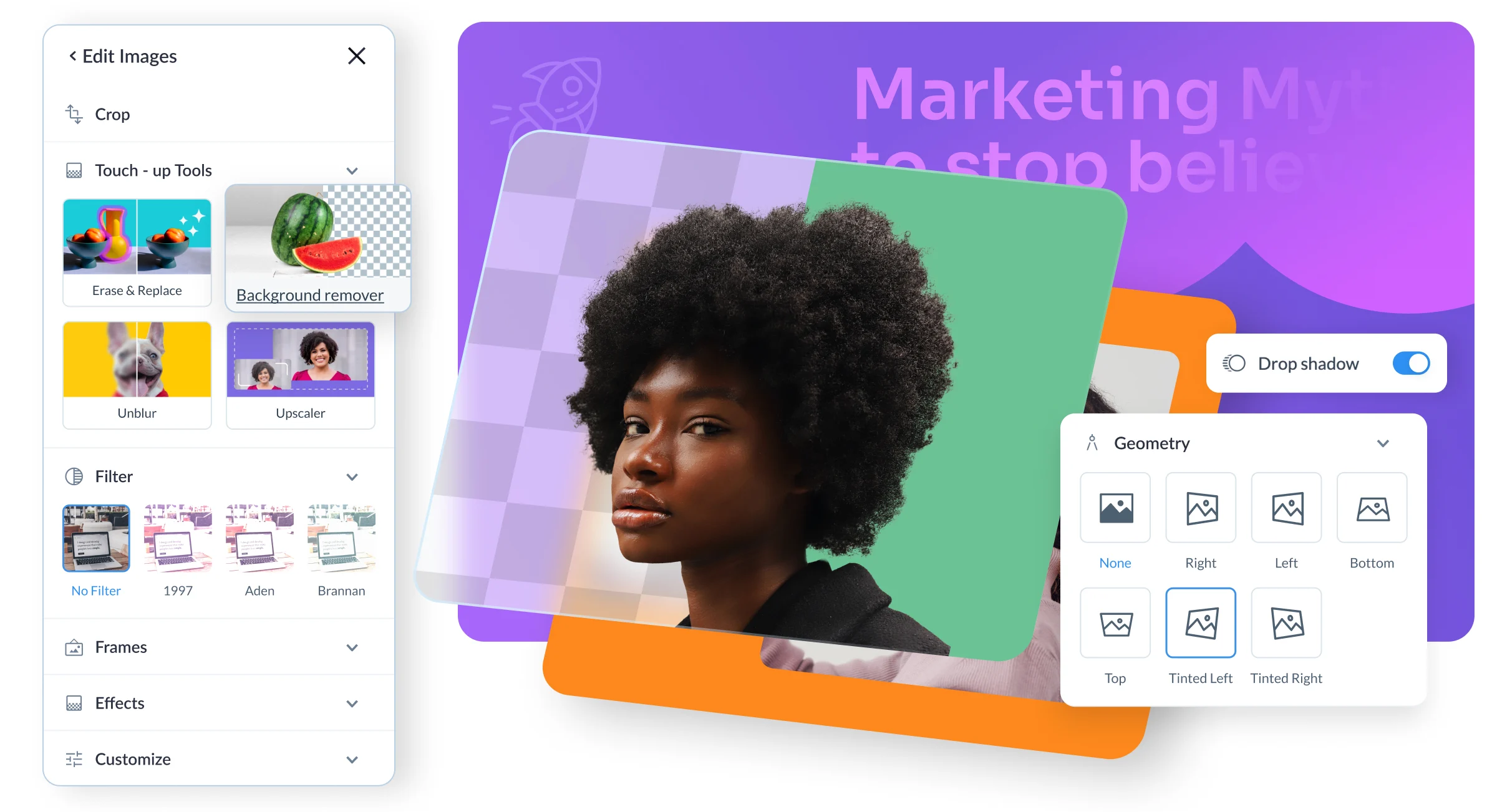
The first time most people open a video editor, it feels a bit like standing in front of a fully stocked kitchen when you only wanted to make tea. Buttons everywhere. Timelines, tracks, effects, exports. It’s exciting, but also intimidating. I’ve seen that exact mix of curiosity and hesitation in friends trying to edit family videos, in siblings putting together birthday montages, and even in parents who just want to make sense of clips piling up on their phones.
That’s the thing about video editing today. It’s no longer reserved for professionals or tech-heavy creatives. It has quietly become part of everyday life—capturing moments, sharing stories, preserving memories. With the right mindset and the right tools, beginners can transform raw footage into something meaningful without feeling overwhelmed or lost.
This guide is written for people who want that transformation without the headache. Not to impress a room full of filmmakers, but to create something that feels right—for yourself, your family, or the people you care about.
Why Video Editing Feels Hard at First (And Why That’s Normal)
Most beginners assume they’re doing something wrong when editing feels confusing. In reality, editing challenges have less to do with intelligence or creativity and more to do with unfamiliarity. Just like learning to wrap a thoughtful gift or choose the right words for a heartfelt message, video editing improves with context and comfort.
Raw footage is messy. Life is messy. Clips are too long, sounds overlap, lighting isn’t perfect. Editing is simply the process of shaping that mess into a story. Once you see it that way, the fear drops and curiosity takes over.
The good news is that beginner-friendly tools are designed with this emotional reality in mind. They’re built to guide, not judge. They help you focus on meaning rather than mechanics.
What Beginners Actually Need From Editing Tools
A common mistake is choosing tools based on features instead of feelings. Beginners don’t need hundreds of effects or cinematic presets. They need clarity, simplicity, and room to grow.
Here’s what truly matters early on:
-
A clean interface that doesn’t overwhelm
-
Easy trimming and arranging of clips
-
Simple ways to add music or voice
-
Clear export options without technical jargon
The best tools feel like a conversation, not a lecture. They let you experiment safely, undo mistakes easily, and slowly build confidence. Much like learning to give better gifts or communicate more thoughtfully in relationships, editing improves when the process feels supportive.
Turning Everyday Moments Into Watchable Stories
Editing isn’t about perfection. It’s about intention. A short clip of a family dinner can become powerful when you cut out distractions and keep what matters—the laughter, the pause before a joke lands, the small gestures people forget they make.
Beginners often ask, “What should I keep?” A helpful answer is emotional relevance. If a moment would make someone smile, pause, or feel understood, it probably belongs in the final cut.
Simple tools help you see footage not as files, but as fragments of experience. When you start editing with emotion in mind, the learning curve softens considerably.
How Beginner Tools Support Creative Confidence
Confidence is fragile when you’re new. One confusing export error or one accidental deletion can make someone give up entirely. That’s why beginner-friendly platforms focus heavily on forgiveness—autosave, clear previews, simple undo options.
Using a thoughtfully designed video editor early on can feel like having a patient friend sitting next to you, quietly guiding instead of correcting. You’re free to try, fail, and try again without fear.
This matters because creative confidence doesn’t just improve editing skills. It spills into other areas of life—how people tell stories, express affection, and even document milestones for loved ones.
Editing as a Form of Care
This part doesn’t get talked about enough. Editing is often an act of care. Someone spends time selecting clips, adjusting timing, and choosing music because they want another person to feel something.
I’ve seen sons edit videos for parents, partners compile anniversary reels, friends create surprise montages. The tools are technical, but the motivation is deeply human. Beginner editors especially feel this emotional weight, which is why they need tools that respect the process rather than rush it.
When editing feels approachable, people stay with it longer. And when they stay, the results naturally improve.
Avoiding the Trap of Over-Editing
One of the quiet benefits of beginner tools is restraint. Advanced software can tempt users into adding too much—too many effects, transitions, filters. The result often feels noisy instead of meaningful.
Beginner tools encourage subtlety. Clean cuts. Gentle transitions. Natural pacing. This mirrors good communication in relationships: saying enough, but not too much.
If your video feels easy to watch, you’re doing it right. If it feels tiring, it might be time to simplify.
Learning the Rhythm of a Good Edit
Editing is less about rules and more about rhythm. When to cut. When to pause. When to let a moment breathe. Beginner tools help users feel this rhythm rather than calculate it.
As you practice, you’ll notice patterns. Shorter clips for energy. Longer ones for emotion. Silence used intentionally. Music supporting, not overpowering. These instincts grow naturally when tools don’t get in the way.
This learning curve feels similar to understanding emotional timing in conversations—knowing when to listen and when to speak.
Editing on Your Own Schedule
Another underrated benefit of beginner-friendly tools is flexibility. You don’t need hours of uninterrupted time. You can edit in small pockets—after dinner, during a quiet afternoon, or while reflecting on moments you want to preserve.
This matters for people juggling family, work, and personal responsibilities. Editing becomes something you fit into life, not something that competes with it.
When Editing Becomes Enjoyable Instead of Stressful
The shift happens quietly. One day you realize you’re not anxious opening the software anymore. You’re curious. You try small changes without overthinking. You trust your judgment.
That’s the moment editing stops being a task and starts being a creative outlet. Beginner tools play a huge role in reaching this stage because they remove unnecessary pressure early on.
Growing Without Feeling Left Behind
A good beginner tool doesn’t trap you at the beginner level. It grows with you. As your comfort increases, you notice advanced options appearing naturally—without being forced.
This gradual growth mirrors how people evolve in personal style or emotional expression. You don’t wake up one day fully confident; you build it piece by piece.
Editing for Meaning, Not Metrics
Many people worry about views, likes, or external validation. Beginner editors often feel this pressure even more. But the healthiest approach is editing for meaning first.
A video that resonates with one person can matter more than one that reaches thousands without connection. Beginner tools help keep this focus by prioritizing clarity and storytelling over performance tricks.
The Quiet Skill Nobody Talks About
Editing teaches patience. It teaches observation. It teaches empathy—seeing moments from another person’s perspective. These skills carry far beyond video work.
People who edit thoughtfully often become better listeners and storytellers in daily life. They learn what to highlight and what to leave out. Beginner tools make this learning accessible instead of intimidating.
Common Beginner Mistakes (And Why They’re Okay)
Everyone cuts too much or too little at first. Everyone chooses music that feels right in the moment but odd later. These aren’t failures. They’re signs of engagement.
Beginner-friendly tools make mistakes reversible, which encourages exploration. And exploration is where real learning happens.
Keeping Your Editing Simple and Honest
Honest editing respects the original moment. It doesn’t force emotion. It reveals it. Beginner tools naturally encourage this honesty by limiting unnecessary manipulation.
If your final video feels sincere, even if imperfect, it has already succeeded.
When You’re Ready to Try Something New
Eventually, curiosity kicks in. You want to try a new transition, experiment with pacing, or add subtle effects. This is where a supportive video editor continues to matter—not because it pushes you, but because it allows growth without pressure.
The best tools don’t rush you forward. They walk with you.
Editing as a Personal Skill Worth Having
In a world overflowing with content, being able to shape your own story is quietly powerful. Editing lets you control how moments are remembered and shared.
For beginners, the goal isn’t mastery. It’s comfort. And comfort leads to consistency, which leads to skill.
Let the Process Be Human
At its core, video editing isn’t about software. It’s about people. About memory, emotion, and connection. Beginner-friendly tools succeed because they honor that truth.
When editing feels human, people stay engaged. They keep learning. They keep creating. And somewhere along the way, they stop calling themselves beginners.
That’s when the real transformation happens—both in the footage and in the person behind the screen.
- Digital Agency
- Literie
- Location de voitures
- Restaurant
- Restaurant
- Mode
- Mode
- Information
- Marketing
- Tourisme
- Développement
- Découverte
- Législation
- Gastronomie
- Pâtisserie
- Eveniment
- Art
- Causes
- Crafts
- Dance
- Drinks
- Film
- Fitness
- Food
- Jocuri
- Gardening
- Health
- Acasă
- Literature
- Music
- Networking
- Alte
- Party
- Religion
- Shopping
- Sports
- Theater
- Wellness
 Romaian
 Indian
 English
 French
 Arabic
 Spanish
 Portuguese
 Deutsch
 Turkish
 Dutch
Dutch
 Italiano
 Russian
 Portuguese (Brazil)
 Greek
Greek
