


Stages of Dental Implant Healing: A Complete Guide to Recovery
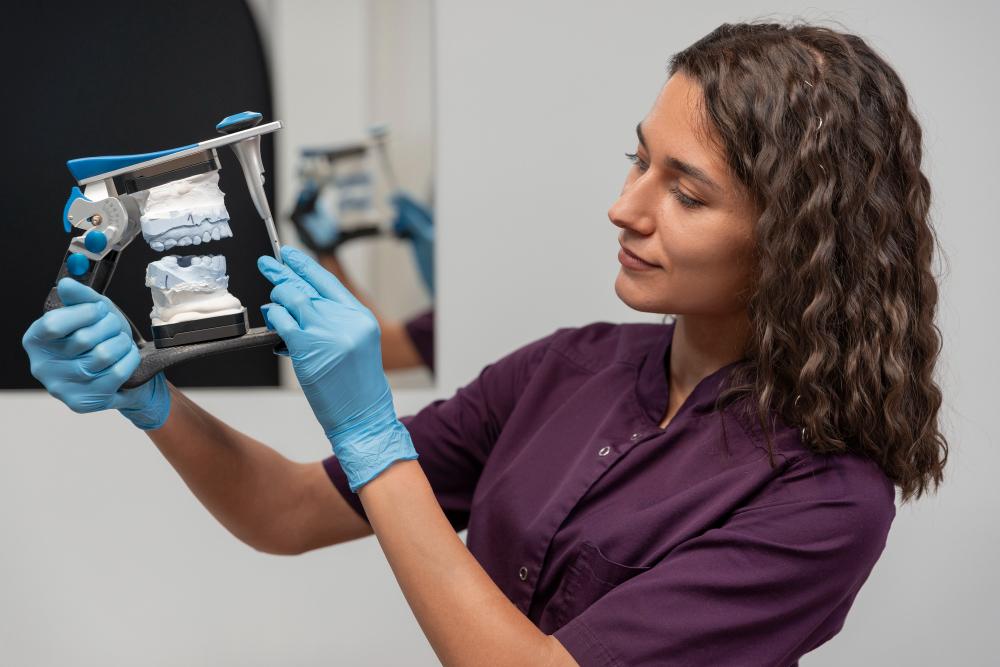
Dental implants are one of the most reliable and long-lasting solutions for missing teeth. While the procedure itself is well-planned and predictable, proper healing after dental implant surgery is the key to long-term success. Understanding the stages of dental implant healing helps patients know what to expect and how to care for their implants during recovery.
What Is Dental Implant Healing?
Dental implant healing is the process where the implant fuses with the jawbone through a natural process called osseointegration. This bonding creates a stable foundation for the artificial tooth (crown), allowing it to function like a natural tooth.
Healing time varies depending on:
- Bone quality and density
- Overall health
- Oral hygiene habits
- Whether bone grafting was required
Stage 1: Immediate Post-Surgery Healing (First 24–72 Hours)
What Happens:
- Mild swelling and discomfort
- Minor bleeding at the surgical site
- Jaw stiffness
What to Expect:
This is the most sensitive stage. Your body starts forming blood clots around the implant to protect the area and begin healing.
Care Tips:
- Apply ice packs to reduce swelling
- Take prescribed medications as directed
- Eat soft foods only
- Avoid smoking and alcohol
Stage 2: Early Healing Phase (1–2 Weeks)
What Happens:
- Gum tissue begins to close over the implant
- Swelling and pain significantly reduce
- Sutures may dissolve or be removed
What to Expect:
Most patients feel comfortable returning to normal daily activities. The surgical site may still feel tender, but visible healing is noticeable.
Care Tips:
- Maintain gentle oral hygiene
- Avoid chewing directly on the implant site
- Continue a soft or semi-soft diet
Stage 3: Osseointegration Phase (2 Weeks to 3–6 Months)
What Happens:
- Implant fuses with the jawbone
- Bone cells grow around the implant surface
- Implant becomes stable and strong
What to Expect:
This is the most important stage of dental implant healing. Although you may not feel changes, your implant is gradually integrating with the bone.
Care Tips:
- Maintain excellent oral hygiene
- Attend follow-up dental visits
- Avoid excessive pressure on the implant
Stage 4: Abutment Placement (After Osseointegration)
What Happens:
- Abutment (connector piece) is attached
- Gums heal around the abutment
What to Expect:
This minor procedure may cause slight discomfort, but healing is quick—usually within 1–2 weeks.
Stage 5: Final Crown Placement (Completion Stage)
What Happens:
- Custom dental crown is placed
- Implant is fully functional
What to Expect:
Your implant now looks, feels, and functions like a natural tooth. Normal chewing and speaking are restored.
How Long Does Dental Implant Healing Take?
On average, dental implant recovery takes 3 to 6 months, though some cases may heal faster or take longer depending on bone health and overall medical condition.
Tips for Faster and Successful Implant Healing
- Quit smoking before and after surgery
- Follow post-operative instructions carefully
- Maintain good oral hygiene
- Eat a nutrient-rich diet
- Attend all scheduled dental check-ups
Signs of Healthy vs Problematic Healing
Healthy Healing Signs:
- Reduced pain over time
- Firm gums around implant
- No unusual swelling or discharge
Warning Signs (See Your Dentist):
- Persistent pain or swelling
- Implant movement
- Pus or infection
Final Thoughts
Understanding the stages of dental implant healing helps patients feel confident and prepared throughout the recovery journey. With proper care, patience, and professional guidance, dental implants offer a permanent, natural-looking solution that can last a lifetime.
- Digital Agency
- Literie
- Location de voitures
- Restaurant
- Restaurant
- Mode
- Mode
- Information
- Marketing
- Tourisme
- Développement
- Découverte
- Législation
- Gastronomie
- Pâtisserie
- Evenement
- Art
- Causes
- Crafts
- Dance
- Drinks
- Film
- Fitness
- Food
- Spellen
- Gardening
- Health
- Home
- Literature
- Music
- Networking
- Overig
- Party
- Religion
- Shopping
- Sports
- Theater
- Wellness
 Dutch
Dutch
 Indian
 English
 French
 Arabic
 Spanish
 Portuguese
 Deutsch
 Turkish
 Italiano
 Russian
 Romaian
 Portuguese (Brazil)
 Greek
Greek
