


Popular National Parks in Sikkim – A Complete Travel Guide
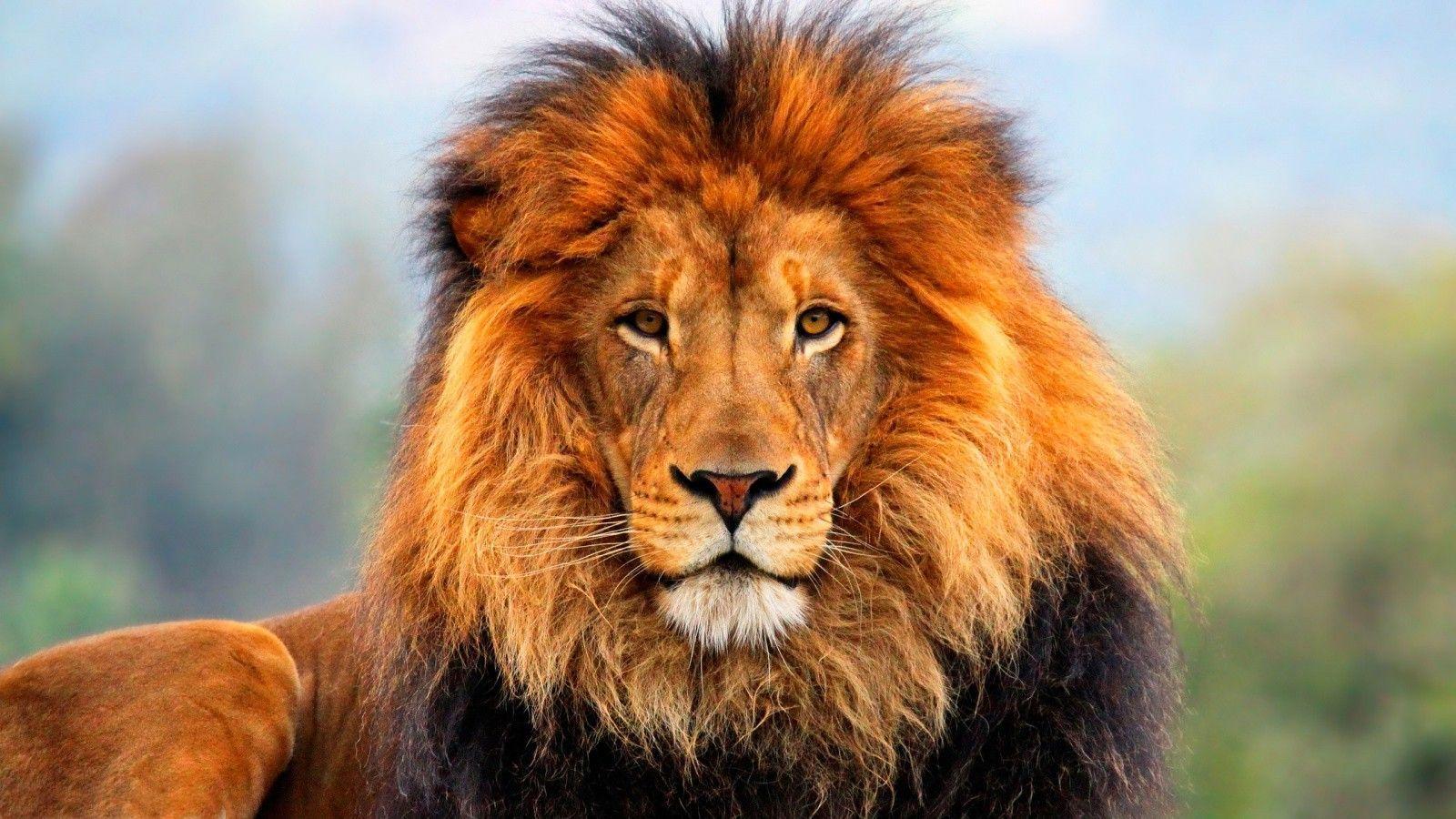
Sikkim is part of the Eastern Himalaya biodiversity hotspot, recognized globally for its ecological importance. Exploring the Popular National Parks in Sikkim offers travelers a chance to witness snow-clad peaks, rare wildlife like the red panda and snow leopard, alpine meadows, and rhododendron forests. With altitudes ranging from 300 meters to over 8,500 meters, the state hosts diverse ecosystems—from subtropical forests to alpine tundra. The national parks in Sikkim are vital for conservation and eco-tourism, attracting trekkers, researchers, and nature lovers from around the world.
1. Khangchendzonga National Park (UNESCO World Heritage Site)
-
Location: North and West Sikkim.
-
Area: 1,784 sq km, making it the largest protected area in Sikkim.
-
Highlights:
-
Named after Mount Kanchenjunga (8,586 m), the world’s third-highest peak.
-
Declared a UNESCO World Heritage Site in 2016 for its natural and cultural significance.
-
-
Wildlife:
-
Snow leopard, Himalayan tahr, musk deer, red panda, and Asiatic black bear.
-
Birdlife includes satyr tragopan, Himalayan griffon, and blood pheasant.
-
-
Activities:
-
Trekking to Goecha La Pass, offering panoramic views of Kanchenjunga.
-
Camping in alpine meadows.
-
Exploring sacred lakes like Samiti Lake.
-
-
Cultural Significance:
-
Sacred to both Buddhists and Lepchas.
-
Legends associate Kanchenjunga with protective deities.
-
2. Singalila National Park (Shared with West Bengal)
-
Location: Extends into West Sikkim along the Singalila Ridge.
-
Area: 78.6 sq km within Sikkim.
-
Highlights:
-
Famous for trekking routes connecting Darjeeling and Sikkim.
-
Offers panoramic views of Kanchenjunga and Everest.
-
-
Wildlife:
-
Red panda, Himalayan black bear, barking deer, and leopard cat.
-
Rich birdlife including fire-tailed sunbird and scarlet minivet.
-
-
Activities:
-
Trekking along the Singalila Ridge.
-
Birdwatching and photography.
-
-
Unique Feature:
-
Known for rhododendron blooms in spring.
-
3. Pangolakha Wildlife Sanctuary (Transition Zone with Bhutan)
While technically a sanctuary, Pangolakha is often included in eco-tour itineraries alongside national parks due to its vast biodiversity.
-
Location: East Sikkim, extending into Bhutan.
-
Area: 124 sq km.
-
Wildlife: Red panda, Himalayan black bear, barking deer, and numerous bird species.
-
Activities: Trekking routes connecting villages and Bhutan border.
4. Proposed Teesta Valley National Park
-
Location: Central Sikkim along the Teesta River basin.
-
Highlights:
-
Proposed to protect riverine ecosystems and subtropical forests.
-
Would serve as a corridor linking existing sanctuaries.
-
-
Wildlife: Expected to host elephants, leopards, and diverse birdlife.
Unique Wildlife of Sikkim’s National Parks
-
Red Panda: State animal of Sikkim, found in most parks.
-
Snow Leopard: Rarely spotted in alpine regions of Khangchendzonga.
-
Himalayan Musk Deer: Known for its musk gland, found in alpine meadows.
-
Birds: Hornbills, pheasants, partridges, and migratory species.
-
Flora: Over 550 species of orchids and 40 species of rhododendrons.
Best Time to Visit National Parks in Sikkim
-
Spring (March–May): Rhododendron blooms, pleasant weather.
-
Summer (June–August): Lush greenery, though heavy rains may restrict travel.
-
Autumn (September–November): Clear skies, ideal for trekking and photography.
-
Winter (December–February): Snow in alpine parks, rare wildlife sightings.
Activities in Sikkim’s National Parks
-
Trekking: Goecha La (Khangchendzonga), Singalila Ridge.
-
Birdwatching: Kitam and Pangolakha are hotspots.
-
Photography: Rhododendron forests and alpine lakes.
-
Camping: In designated areas of Khangchendzonga.
-
Eco-Tourism: Community-based stays and guided tours.
Sample 7-Day National Park Tour Itinerary
Day 1: Arrival in Gangtok – Orientation and permits.
Day 2: Drive to Yuksom – Gateway to Khangchendzonga National Park.
Day 3: Trek to Sachen – Camping in forested trails.
Day 4: Trek to Dzongri – Panoramic views of Kanchenjunga.
Day 5: Trek to Goecha La – Alpine landscapes and sacred lakes.
Day 6: Return to Yuksom – Explore local monasteries.
Day 7: Excursion to Singalila Ridge – Birdwatching and photography.
Travel Tips
-
Carry permits for restricted areas like Khangchendzonga.
-
Pack warm clothes, especially for alpine treks.
-
Hire local guides for authentic experiences.
-
Respect wildlife and avoid littering.
-
Book accommodations in advance during peak season.
Why Sikkim’s National Parks Attract Global Travelers
-
Rare Species: Red panda, snow leopard, and Himalayan tahr.
-
Scenic Landscapes: Alpine peaks, valleys, and rhododendron forests.
-
Adventure Opportunities: Trekking, camping, and birdwatching.
-
Cultural Richness: Blend of Lepcha, Bhutia, and Nepali traditions.
-
Eco-Tourism: Sustainable practices with community involvement.
Conclusion
Sikkim’s national parks are not just protected areas—they are living museums of biodiversity and culture. Exploring the Popular National Parks in Sikkim is more than spotting animals; it’s about connecting with nature, learning about conservation, and appreciating the harmony between humans and wildlife. From the snow-clad peaks of Khangchendzonga to the rhododendron forests of Singalila, each park offers a unique story and unforgettable memories.
If you’re planning your next adventure, let Sikkim’s national parks be your choice. The experiences you create here—whether it’s trekking to Goecha La, photographing red pandas, or camping under starry Himalayan skies—will stay with you forever.
- Digital Agency
- Literie
- Location de voitures
- Restaurant
- Restaurant
- Mode
- Mode
- Information
- Marketing
- Tourisme
- Développement
- Découverte
- Législation
- Gastronomie
- Pâtisserie
- Event
- Art
- Causes
- Crafts
- Dance
- Drinks
- Film
- Fitness
- Food
- Games
- Gardening
- Health
- Home
- Literature
- Music
- Networking
- Other
- Party
- Religion
- Shopping
- Sports
- Theater
- Wellness
 English
 Indian
 French
 Arabic
 Spanish
 Portuguese
 Deutsch
 Turkish
 Dutch
Dutch
 Italiano
 Russian
 Romaian
 Portuguese (Brazil)
 Greek
Greek
