


Do You Need an Architect for a Loft Conversion or Extension?
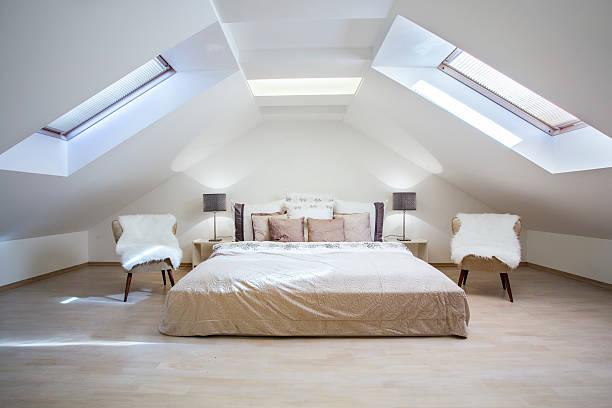
Planning a loft conversion or extension is a major investment in your property, and many homeowners in the UK wonder if professional architectural input is necessary. For projects such as house extensions Surrey, hiring an architect can provide far more than just design expertise—it ensures compliance with building regulations, maximises available space, and creates a finished result that blends seamlessly with your home. Understanding when and why an architect is essential helps homeowners make informed decisions and achieve the best outcome for their property.
The Role of an Architect in Loft Conversions and Extensions
Design Expertise for Maximising Space
Architects specialise in creating functional, aesthetically pleasing spaces. For loft conversions, this includes evaluating the roof structure, head height, and load-bearing walls to optimise usable space. They can propose innovative solutions such as dormer windows, skylights, or built-in storage to make the most of limited areas while maintaining a sense of openness.
For extensions, architects ensure that the new structure complements the existing home in terms of style, materials, and scale. They also provide detailed plans that account for natural light, circulation, and practical living arrangements, which can significantly enhance both comfort and resale value.
Navigating Building Regulations and Planning Permission
Architects are trained to handle complex regulations, ensuring that your loft conversion or extension complies with local building codes. This includes structural calculations, fire safety standards, insulation requirements, and party wall agreements. For larger extensions, planning permission may be required, and an architect can prepare all the necessary documentation, submit applications, and communicate with local authorities on your behalf.
Accurate Technical Drawings and Project Planning
One of the most critical contributions of an architect is producing precise technical drawings. These include floor plans, elevations, cross-sections, and construction details, which are essential for builders to execute the project accurately. Accurate documentation reduces errors, avoids costly changes during construction, and ensures the project runs smoothly from start to finish.
Benefits of Hiring an Architect for Your Home Project
Enhanced Property Value
A well-designed loft conversion or extension can significantly increase a home’s market value. Architects provide professional insight into layouts, light optimisation, and modern finishes that appeal to buyers, ensuring that your investment yields long-term returns.
Tailored Solutions for Individual Homes
Every property is unique, and a one-size-fits-all approach often fails to achieve the desired outcome. Architects tailor designs to your specific needs, lifestyle, and property constraints, whether it’s a compact terraced house in Surrey or a large detached home.
Time and Cost Efficiency
Although hiring an architect is an upfront cost, it often saves money in the long run by preventing design mistakes, reducing material waste, and streamlining construction. They coordinate with builders, structural engineers, and local authorities, ensuring deadlines are met and budgets are maintained.
When an Architect Is Essential
Complex Structural Changes
If your loft conversion involves reinforcing roof structures, adding dormers, or extending multiple floors, an architect is indispensable. Their expertise ensures structural integrity and safety, avoiding issues that could compromise the building.
Planning Permission Requirements
For extensions exceeding permitted development rights or properties in conservation areas, architectural input is necessary to meet planning regulations. Architects prepare persuasive proposals that increase the likelihood of approval.
Custom or High-End Design Projects
For homeowners seeking bespoke interiors, unique layouts, or luxury finishes, architects translate visions into actionable designs, incorporating professional knowledge of materials, lighting, and spatial flow.
Alternative Options for Simpler Projects
While architects offer comprehensive services, smaller projects may not always require their involvement. Many homeowners opt for experienced building designers or surveyors for straightforward loft conversions or modest extensions. However, even in these cases, consulting an architect at the planning stage can prevent costly modifications later.
Choosing the Right Architect
Selecting an architect requires careful consideration of experience, portfolio, and familiarity with local regulations. Look for professionals with proven expertise in loft conversions and extensions, particularly in your region. Visiting past projects and checking client testimonials can provide reassurance that your chosen architect delivers high-quality, practical designs.
Conclusion: Investing in Expertise for the Best Outcome
For loft conversions and extensions, particularly house extensions Surrey, engaging an architect is a strategic investment. They ensure that your project is functional, compliant, and visually appealing while protecting your property value. Whether the goal is a modern open-plan extension, a light-filled loft conversion, or a combination of both, professional architectural input ensures a smooth, successful project from conception to completion. By investing in expert design and planning, homeowners achieve a transformation that is not only structurally sound but also enhances comfort, style, and long-term value.
- Digital Agency
- Literie
- Location de voitures
- Restaurant
- Restaurant
- Mode
- Mode
- Information
- Marketing
- Tourisme
- Développement
- Découverte
- Législation
- Gastronomie
- Pâtisserie
- Evento
- Art
- Causes
- Crafts
- Dance
- Drinks
- Film
- Fitness
- Food
- Jogos
- Gardening
- Health
- Início
- Literature
- Music
- Networking
- Outro
- Party
- Religion
- Shopping
- Sports
- Theater
- Wellness
 Portuguese
 Indian
 English
 French
 Arabic
 Spanish
 Deutsch
 Turkish
 Dutch
Dutch
 Italiano
 Russian
 Romaian
 Portuguese (Brazil)
 Greek
Greek
