


How Digital Printing Boosts Efficiency in Fashion Prototyping
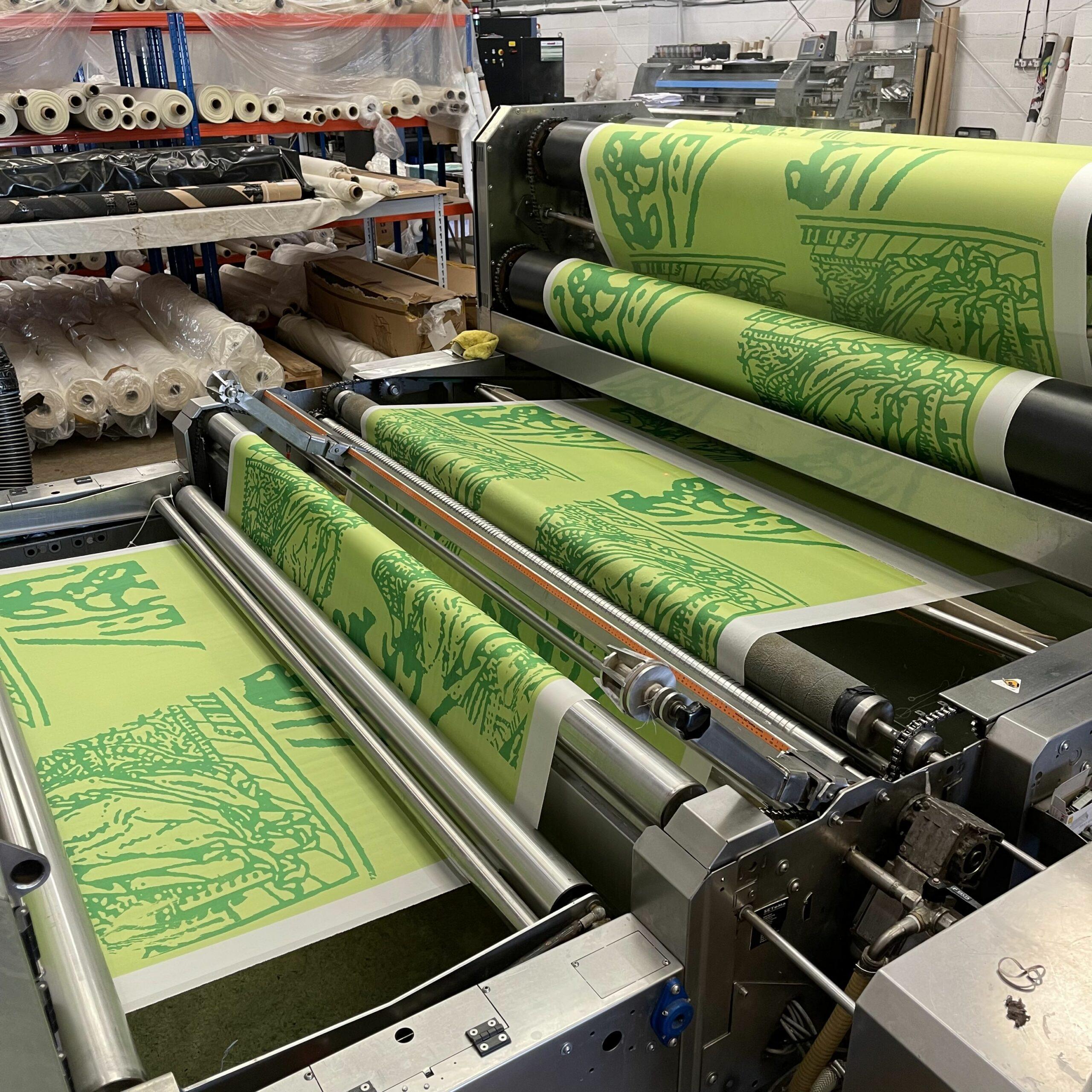
Fashion prototyping is a critical stage in the product development cycle. It is where ideas move from concept to physical form, allowing designers and brands to test patterns, colors, and fabric behavior before final production. Traditionally, this stage has been time-consuming and expensive due to manual processes, repeated sampling, and long approval cycles.
As fashion timelines shrink and competition intensifies, brands need faster and more efficient prototyping methods. Digital technologies are transforming this phase by enabling quicker experimentation and better control over outcomes. Once brands move beyond conventional sampling methods, digital fabric printing becomes a key driver of efficiency, accuracy, and speed in modern fashion prototyping.
Understanding Fashion Prototyping Challenges
Fashion prototyping involves multiple steps, including design visualization, fabric selection, sampling, fitting, and revisions. Each step can introduce delays, especially when traditional printing and dyeing methods are used.
Long setup times, limited flexibility in design changes, and high minimum order requirements often slow down the prototyping process. These challenges increase development costs and make it harder for brands to respond quickly to trends or feedback.
Faster Sampling and Design Validation
One of the biggest efficiency gains from digital printing is faster sampling. Designers can print prototypes directly from digital files without waiting for screens or complex setup procedures.
This speed allows brands to validate designs quickly. Colors, patterns, and layouts can be tested in real fabric form within hours instead of weeks. Faster sampling shortens development cycles and helps teams move to the next stage with confidence.
Reducing Iteration Time
Fashion prototyping often requires multiple revisions. Traditional methods make each revision costly and slow, discouraging experimentation.
Digital fabric printing allows instant adjustments. Designers can modify colors, scale patterns, or refine details digitally and print updated prototypes immediately. This rapid iteration improves design accuracy and reduces the number of physical samples needed.
Improving Communication Between Teams
Efficient prototyping depends on clear communication between designers, product developers, and decision-makers. Digital printing supports better collaboration by aligning digital designs with physical outputs.
Teams can review prototypes that closely match the final product, reducing misunderstandings and approval delays. This alignment speeds up decision-making and minimizes rework.
Lowering Prototyping Costs
Cost control is essential in fashion development. Traditional prototyping methods often require large material commitments and repeated setup costs.
Digital printing lowers prototyping expenses by eliminating screen preparation and enabling short runs. Brands can produce only what they need for evaluation, reducing fabric waste and unnecessary spending. Over time, these savings significantly improve development efficiency.
Enhancing Design Accuracy
Accuracy is crucial during prototyping, as errors at this stage can lead to costly issues in final production. Digital printing ensures precise color reproduction and accurate pattern placement.
Designs printed digitally closely match the original concept, allowing brands to assess the true look and feel of a garment. This accuracy reduces the risk of surprises during mass production.
Supporting Sustainable Prototyping
Sustainability is becoming a priority in fashion development. Traditional sampling methods often generate excess waste through unused fabrics and discarded samples.
Digital fabric printing supports sustainable prototyping by minimizing waste and resource use. On-demand sampling ensures that only necessary prototypes are produced, reducing environmental impact while improving efficiency.
Enabling Data-Driven Development
Digital printing integrates well with modern design software and data systems. This integration allows brands to track changes, compare prototypes, and analyze feedback efficiently.
Data-driven development helps teams make informed decisions quickly. By reducing guesswork, brands can refine designs faster and move confidently toward production.
Adapting to Fast Fashion and Seasonal Trends
Fashion markets move quickly, especially in trend-driven segments. Digital printing enables brands to prototype rapidly in response to emerging trends.
Quick turnaround times allow brands to test trend-inspired designs before committing to full production. This agility reduces risk and improves market responsiveness.
Improving Scalability from Prototype to Production
Efficient prototyping should lead smoothly into production. Digital printing supports this transition by maintaining consistency between samples and final output.
When prototypes accurately represent production results, scaling up becomes easier and faster. This continuity improves overall operational efficiency and reduces delays.
FAQs
1. Why is digital printing important for fashion prototyping?
It speeds up sampling, reduces costs, and allows faster design revisions.
2. How does digital fabric printing improve sampling speed?
It eliminates setup steps and allows direct printing from digital files.
3. Can digital printing reduce prototyping costs?
Yes, it supports short runs and minimizes waste, lowering overall expenses.
4. Does digital printing improve design accuracy?
Precise color and pattern control ensure prototypes match the original design.
5. Is digital printing suitable for sustainable fashion development?
Yes, it reduces material waste and supports on-demand prototyping.
Conclusion
Digital printing has transformed fashion prototyping by making it faster, more accurate, and more cost-effective. Through rapid sampling, easy design revisions, and improved collaboration, digital fabric printing allows brands to streamline development workflows and reduce time to market.
By adopting digital printing for prototyping, fashion brands gain the flexibility needed to innovate, respond to trends, and support sustainable practices. As the industry continues to evolve, digital printing will remain a vital tool for efficient and competitive fashion product development.
- Digital Agency
- Literie
- Location de voitures
- Restaurant
- Restaurant
- Mode
- Mode
- Information
- Marketing
- Tourisme
- Développement
- Découverte
- Législation
- Gastronomie
- Pâtisserie
- Evenement
- Art
- Causes
- Crafts
- Dance
- Drinks
- Film
- Fitness
- Food
- Spellen
- Gardening
- Health
- Home
- Literature
- Music
- Networking
- Overig
- Party
- Religion
- Shopping
- Sports
- Theater
- Wellness
 Dutch
Dutch
 Indian
 English
 French
 Arabic
 Spanish
 Portuguese
 Deutsch
 Turkish
 Italiano
 Russian
 Romaian
 Portuguese (Brazil)
 Greek
Greek
