


Spot Welder: Precision Welding Solutions for Modern Manufacturing
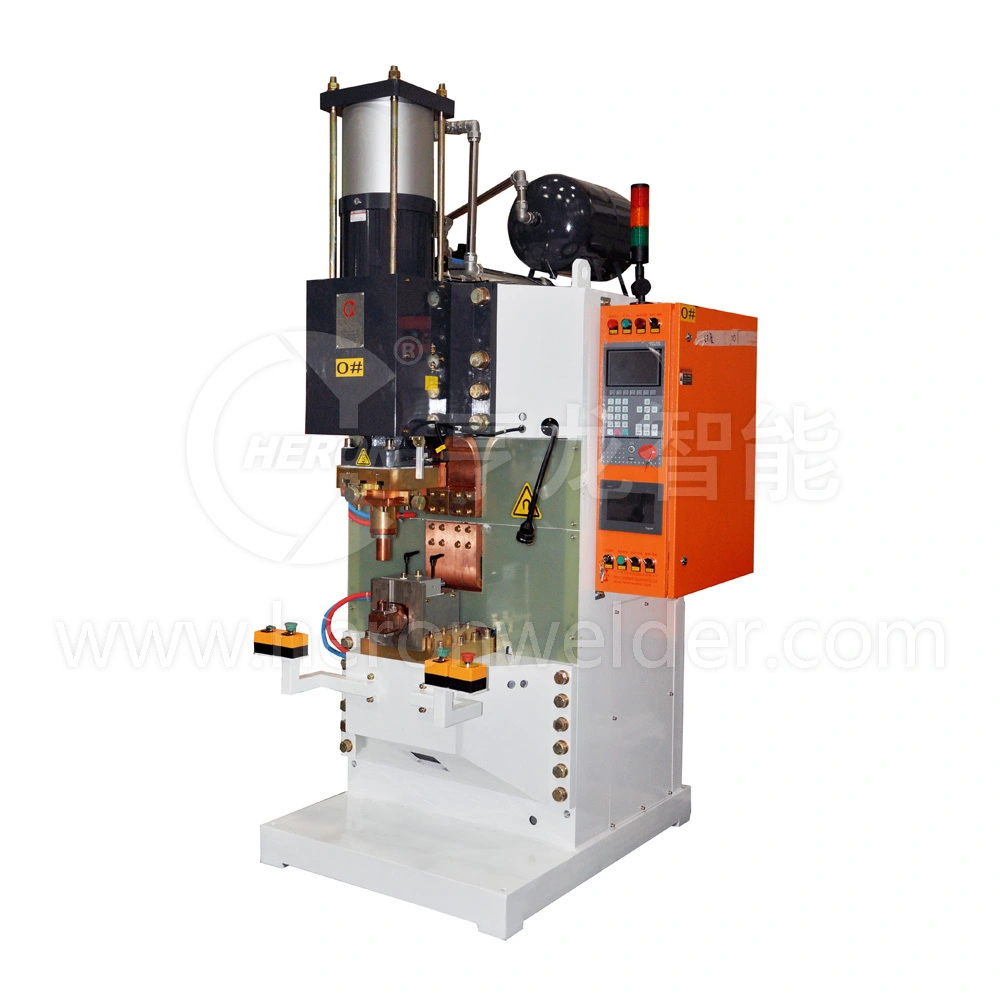
In today’s competitive manufacturing environment, efficiency, precision, and reliability are paramount. Spot welding has become an essential joining technique for industries ranging from automotive and aerospace to electronics and heavy machinery. Understanding the technology, applications, and best practices can help manufacturing engineers, OEMs, and automation integrators optimize production and improve product quality. Heron Welder, a global leader in industrial welding solutions, offers advanced spot welders designed to meet these modern manufacturing demands.
What Is a Spot Welder?
A spot welder is a type of resistance welding machine that joins two or more metal sheets by applying pressure and passing a controlled electric current through the contact point. The heat generated by electrical resistance causes the metal to melt locally, forming a strong weld at the joint without the need for filler materials.
Key components of a spot welder include:
-
Electrodes: Copper or copper-alloy tips that conduct current and apply pressure.
-
Transformers/Power Supply: Supplies high current for a precise, controlled weld.
-
Controllers: Manage current, time, and force for consistent weld quality.
-
Frame and Actuators: Apply mechanical pressure and ensure accurate electrode alignment.
How Spot Welding Works
Spot welding operates on the principle of resistance heating:
-
Clamping: The electrodes grip the metal sheets firmly.
-
Current Flow: A high current passes through the electrodes and metal sheets.
-
Localized Heating: Electrical resistance generates heat at the interface of the metals.
-
Weld Formation: The metals melt and form a nugget when cooled under pressure.
This process typically takes just a fraction of a second, making spot welding ideal for high-volume production lines.
Applications of Spot Welders
Spot welders are widely used in industries where speed, strength, and consistency are critical. Common applications include:
Automotive Manufacturing
Spot welders are fundamental in assembling car bodies, chassis components, and panels. Automated spot welding lines provide precise, repeatable welds, reducing scrap rates and ensuring structural integrity.
Electronics and Electrical Components
Thin metal sheets in battery packs, enclosures, and connectors benefit from spot welding’s localized heat, minimizing distortion and protecting sensitive components.
Aerospace and Heavy Industry
High-strength spot welders join aircraft fuselage panels, industrial equipment frames, and other large assemblies, offering reliability under extreme conditions.
Consumer Goods
Appliances, metal furniture, and other sheet-metal products leverage spot welding for durable, fast, and aesthetically clean joints.
Types of Spot Welders
Heron Welder provides a range of spot welding technologies to suit diverse production requirements:
-
Standard Spot Welders: Ideal for conventional sheet-metal joining.
-
MFDC Spot Welders: Medium-Frequency Direct Current units offer precise energy control, ideal for thin metals and sensitive assemblies.
-
Capacitor Discharge Spot Welders: Deliver high-energy, short-duration welds for small parts like connectors and terminals.
-
Automated Spot Welding Systems: Integrate with robotic arms and production lines for high-volume, fully automated manufacturing.
Advantages of Using a Spot Welder
Investing in a high-quality spot welder offers multiple benefits for manufacturers:
-
High Productivity: Fast welding cycles enable mass production.
-
Consistent Quality: Precise current and pressure control ensures uniform welds.
-
Minimal Material Distortion: Localized heat reduces warping or damage to surrounding metal.
-
Automation-Friendly: Compatible with robotic and CNC systems for fully integrated production lines.
Spot Welder vs. Other Welding Methods
When selecting a welding method, it’s important to compare spot welding with alternatives:
| Feature | Spot Welding | MIG Welding | TIG Welding | Laser Welding |
|---|---|---|---|---|
| Speed | Very Fast | Moderate | Slow | Fast |
| Precision | High | Moderate | High | Very High |
| Automation | Easy | Moderate | Difficult | Moderate |
| Material Thickness | Thin to Medium | Any | Thin | Very Thin to Medium |
| Heat Input | Localized | High | High | Localized |
Spot welding excels in automated, high-speed sheet metal production, especially where minimal distortion is critical.
Best Practices for Spot Welding
Manufacturing engineers can maximize weld quality and machine life by following these practices:
-
Proper Electrode Maintenance: Keep electrodes clean and shaped for consistent welds.
-
Optimize Current and Time: Adjust settings based on metal type and thickness.
-
Control Electrode Force: Ensure sufficient clamping pressure without overloading the material.
-
Regular Calibration: Verify weld nugget size and energy delivery for repeatable results.
-
Integrate Automation: Combine spot welders with robotic systems for high-volume, precise production.
Why Choose Heron Spot Welders
Heron Welder has over two decades of experience in industrial welding solutions, offering machines that combine precision, reliability, and automation readiness. Our spot welders:
-
Deliver consistent, high-quality welds across a wide range of materials.
-
Integrate seamlessly with automated production lines.
-
Feature MFDC and capacitor discharge options for specialized applications.
-
Include advanced controllers and monitoring systems to optimize energy use and weld quality.
Whether you are producing automotive components, battery packs, or industrial equipment, Heron spot welders are engineered to meet the demands of modern manufacturing.
Frequently Asked Questions (FAQs)
1. What metals can be joined with a spot welder?
Spot welders work with most metals, including steel, stainless steel, aluminum, and copper alloys, depending on the machine configuration.
2. How thick can the materials be for spot welding?
Standard spot welders are best for thin to medium-gauge sheets, typically 0.5–3 mm. MFDC and capacitor discharge welders can handle thinner materials with precision.
3. Can spot welders be automated?
Yes. Robotic and CNC integration allows for fully automated spot welding, improving speed, consistency, and safety in high-volume production.
4. How often should electrodes be replaced?
Electrode life depends on usage, material type, and maintenance. Regular inspection and reshaping help extend lifespan.
5. What industries benefit most from spot welding?
Automotive, electronics, aerospace, consumer appliances, and heavy machinery are the primary industries where spot welding is widely applied.
Conclusion: Optimize Your Production with Heron Spot Welders
Spot welding is a cornerstone of modern manufacturing, offering speed, precision, and reliability for sheet-metal joining. Choosing the right spot welder and implementing best practices can dramatically improve product quality, efficiency, and overall production output.
Heron Welder’s advanced spot welding machines, MFDC and capacitor discharge solutions, and fully automated systems provide manufacturers with the technology needed to stay competitive.
Ready to elevate your welding operations? Contact Heron Welder today to request a quote or consult our experts for customized spot welding and automation solutions tailored to your production needs.
- Digital Agency
- Literie
- Location de voitures
- Restaurant
- Restaurant
- Mode
- Mode
- Information
- Marketing
- Tourisme
- Développement
- Découverte
- Législation
- Gastronomie
- Pâtisserie
- Veranstaltung
- Art
- Causes
- Crafts
- Dance
- Drinks
- Film
- Fitness
- Food
- Spiele
- Gardening
- Health
- Startseite
- Literature
- Music
- Networking
- Andere
- Party
- Religion
- Shopping
- Sports
- Theater
- Wellness
 Deutsch
 Indian
 English
 French
 Arabic
 Spanish
 Portuguese
 Turkish
 Dutch
Dutch
 Italiano
 Russian
 Romaian
 Portuguese (Brazil)
 Greek
Greek
