Total parenteral nutrition (TPN) is a life-saving therapy for patients who cannot meet their nutritional needs through oral or enteral feeding. Receiving TPN At Home provides convenience, comfort, and independence, allowing patients to maintain essential nutrition without prolonged hospital stays. However, home-based TPN carries inherent risks that require careful monitoring, strict safety practices, and professional supervision to ensure the therapy is both effective and safe.
Potential Risks of Home TPN:
While TPN is highly beneficial, home administration introduces specific risks that must be considered. Common risks include:
-
Infections: Central line-associated bloodstream infections (CLABSI) can occur if sterile techniques are not followed.
-
Electrolyte Imbalances: Incorrect TPN formulation or rapid infusion can cause sodium, potassium, or calcium abnormalities.
-
Liver Complications: Long-term TPN use may affect liver function, causing cholestasis or elevated liver enzymes.
-
Metabolic Issues: Hyperglycemia, hypoglycemia, or fat overload can develop if monitoring is inadequate.
-
Mechanical Problems: Blocked, displaced, or leaking IV lines may compromise nutrition delivery.
Awareness of these risks allows patients and caregivers to take preventive measures and respond promptly if complications arise.
Importance of Professional Monitoring:
Professional supervision is essential to ensure home TPN is safe and effective. Monitoring includes:
-
Checking vital signs such as blood pressure, heart rate, and temperature before and during infusion
-
Regular laboratory tests to assess electrolyte balance, liver and kidney function, and blood sugar levels
-
Observing the central line site for redness, swelling, or discharge
-
Adjusting the TPN formula and infusion rate according to lab results and patient tolerance
-
Maintaining accurate records of infusion times, volumes, and patient responses
Continuous monitoring by trained healthcare professionals minimizes the risk of complications and ensures optimal outcomes.
Safe Administration Practices for Home TPN:
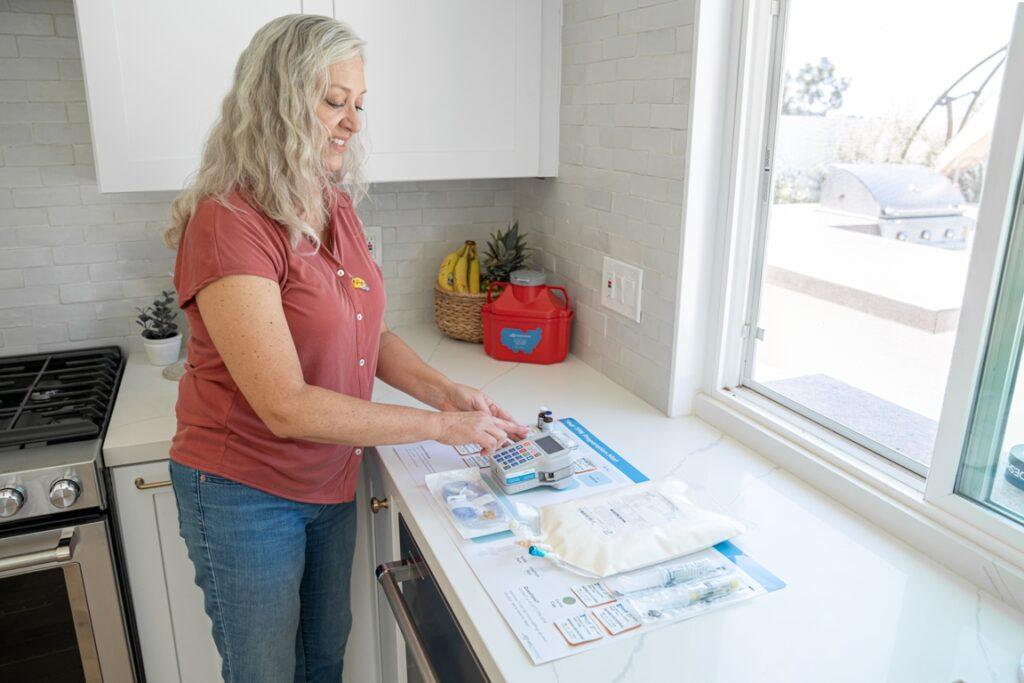
Administering TPN safely at home requires adherence to strict protocols. Best practices include:
-
Washing hands thoroughly and wearing sterile gloves during line handling
-
Using antiseptic solutions to clean the IV insertion site
-
Ensuring all equipment, including tubing and TPN bags, is sterile and intact
-
Securing the central line properly to prevent accidental dislodgement
-
Following prescribed infusion rates and schedules exactly as directed
Adhering to these practices helps prevent infection, metabolic disturbances, and mechanical complications.
Role of Caregivers in Ensuring Safety:
Caregivers play a critical role in supporting home TPN therapy. Their responsibilities include:
-
Preparing a clean environment for TPN administration
-
Observing the patient for any unusual symptoms during or after the infusion
-
Recording infusion details, including start and end times, and patient reactions
-
Communicating promptly with healthcare providers if concerns or complications arise
-
Assisting with line maintenance and ensuring emergency supplies are available
Well-trained caregivers enhance the safety and effectiveness of home TPN.
Signs of Complications to Watch For:
Early recognition of complications can prevent serious outcomes. Patients and caregivers should monitor for:
-
Fever, chills, or other signs of infection
-
Redness, swelling, or pain at the IV site
-
Sudden changes in blood sugar, including dizziness or confusion
-
Nausea, vomiting, or abdominal pain
-
Fatigue, jaundice, or unusual liver function test results
Immediate medical attention should be sought if any of these warning signs appear.
Preparing the Home Environment for TPN:
A safe and organized home environment supports successful TPN therapy. Important considerations include:
-
Designating a clean, well-lit space for IV setup and infusion
-
Keeping TPN bags refrigerated until just before use
-
Ensuring reliable access to electricity and backup supplies for infusion pumps
-
Storing emergency medications and equipment within reach
-
Maintaining open communication with healthcare professionals for guidance and support
Proper preparation minimizes risks and ensures smooth administration.
Long-Term Monitoring and Follow-Up:
TPN therapy at home often continues for weeks or months, requiring ongoing oversight. Long-term monitoring includes:
-
Regular visits from nurses or home healthcare providers to assess patient condition
-
Periodic lab tests to monitor nutrition status, electrolytes, and organ function
-
Adjustments to the TPN formula to meet changing nutritional needs
-
Documentation of any complications, side effects, or changes in patient health
Consistent follow-up ensures that home TPN remains safe, effective, and responsive to patient needs.
Benefits of Properly Managed Home TPN:
When administered correctly, TPN at home offers multiple advantages for patients and caregivers:
-
Continuity of nutrition therapy without repeated hospital visits
-
Comfort and familiarity of the home environment
-
Reduced risk of hospital-acquired infections
-
Flexibility to integrate therapy into daily routines
-
Enhanced quality of life and independence for patients
Proper management ensures that the benefits outweigh the risks of home-based therapy.
Final Thoughts
TPN At Home is a safe and effective option for patients who require long-term intravenous nutrition, provided that strict safety protocols, professional monitoring, and caregiver support are in place. Awareness of potential risks, adherence to best practices, and consistent follow-up allow patients to receive life-sustaining nutrition safely in the comfort of their home. By prioritizing safety, monitoring, and education, home TPN can improve patient outcomes and quality of life while minimizing complications.



 English
 Indian
 French
 Arabic
 Spanish
 Portuguese
 Deutsch
 Turkish
 Dutch
Dutch
 Italiano
 Russian
 Romaian
 Portuguese (Brazil)
 Greek
Greek
