


What Happens 10 Years After Dental Implants? Long-Term Results, Care & Reality
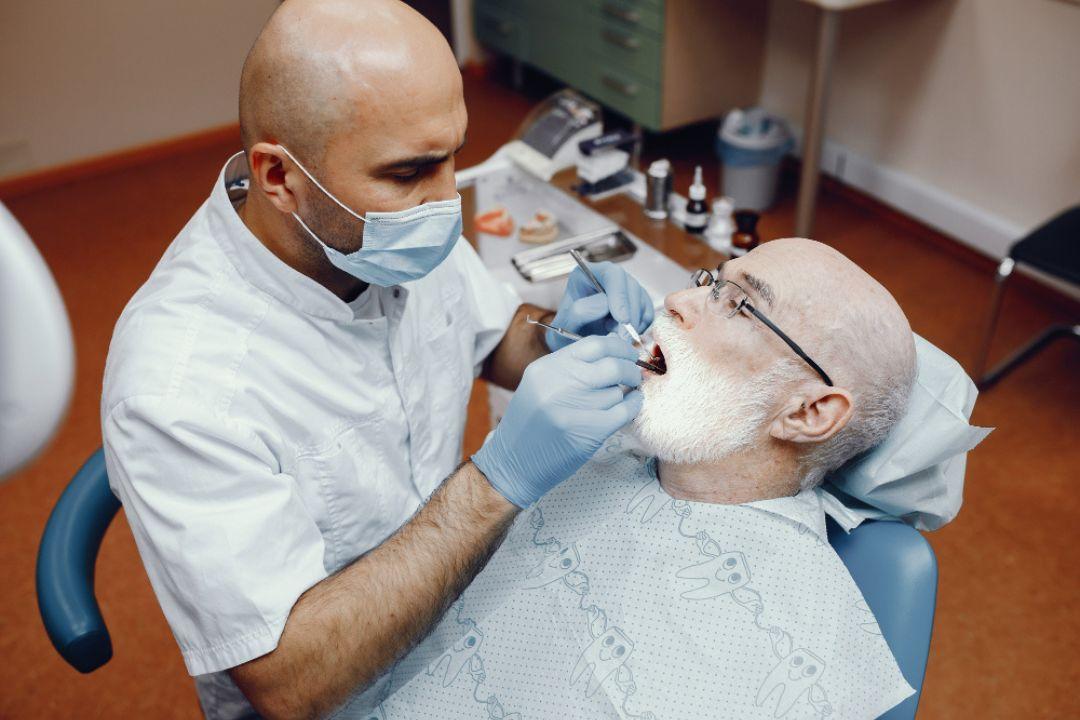
What Happens 10 Years After Dental Implants?
Dental implants are considered one of the most reliable and long-lasting tooth replacement solutions available today. But many patients ask an important question: What really happens 10 years after getting dental implants?
The short answer—most implants continue to function just like natural teeth, provided they are well cared for.
- Implant Stability After 10 Years
After 10 years, a successful dental implant remains firmly anchored in the jawbone. Titanium implants bond naturally with bone through a process called osseointegration, creating a strong foundation.
What most patients experience:
- No movement or looseness
- Normal biting and chewing power
- Comfort similar to natural teeth
Clinical studies show dental implants have a 90–95% success rate even after 10–15 years.
- Jawbone Health Over Time
One of the biggest advantages of implants is bone preservation.
After 10 years:
- Jawbone remains strong and stable
- No bone shrinkage (common with dentures or missing teeth)
- Facial structure stays youthful and supported
Implants continue to stimulate the jawbone, preventing the “sunken face” look that often occurs with long-term tooth loss.
- Gum Condition Around Implants
Healthy gums are essential for long-term implant success.
At the 10-year mark:
- Gums should appear pink and firm
- No bleeding, swelling, or pain
- Implant crown should sit naturally in the gum line
Poor oral hygiene, smoking, or uncontrolled diabetes may lead to peri-implantitis, a gum infection around implants—but this is preventable with regular care.
- Implant Crown Wear & Replacement
While the implant post can last a lifetime, the crown (visible tooth) may need replacement after 10–15 years.
Reasons include:
- Normal wear and tear
- Teeth grinding (bruxism)
- Cosmetic updates
Replacing a crown is simple and does not require surgery.
- Eating, Speaking & Daily Life
Ten years after dental implants, most patients:
- Eat all foods comfortably
- Speak clearly without worry
- Forget they even have implants
There’s no slipping, clicking, or discomfort—unlike traditional dentures.
- What Can Cause Problems After 10 Years?
Although rare, issues may occur if:
- Oral hygiene is neglected
- Smoking continues long-term
- Regular dental checkups are skipped
- Gum infections go untreated
The good news: most implant problems are preventable with routine care.
- How to Make Dental Implants Last More Than 10 Years
Follow these simple habits:
- Brush twice daily
- Floss or use interdental brushes
- Visit your dentist every 6 months
- Avoid chewing ice or hard objects
- Use a night guard if you grind teeth
Final Thoughts
So, what happens 10 years after dental implants?
For most people, nothing changes—and that’s the best part.
Dental implants remain strong, natural-looking, and fully functional, making them one of the smartest long-term investments in oral health. With good care and regular dental visits, your implant can serve you confidently for decades to come.
- Digital Agency
- Literie
- Location de voitures
- Restaurant
- Restaurant
- Mode
- Mode
- Information
- Marketing
- Tourisme
- Développement
- Découverte
- Législation
- Gastronomie
- Pâtisserie
- Мероприятие
- Art
- Causes
- Crafts
- Dance
- Drinks
- Film
- Fitness
- Food
- Игры
- Gardening
- Health
- Главная
- Literature
- Music
- Networking
- Другое
- Party
- Religion
- Shopping
- Sports
- Theater
- Wellness
 Russian
 Indian
 English
 French
 Arabic
 Spanish
 Portuguese
 Deutsch
 Turkish
 Dutch
Dutch
 Italiano
 Romaian
 Portuguese (Brazil)
 Greek
Greek
