


Flow Transmitter Calibration in Industrial Process Control
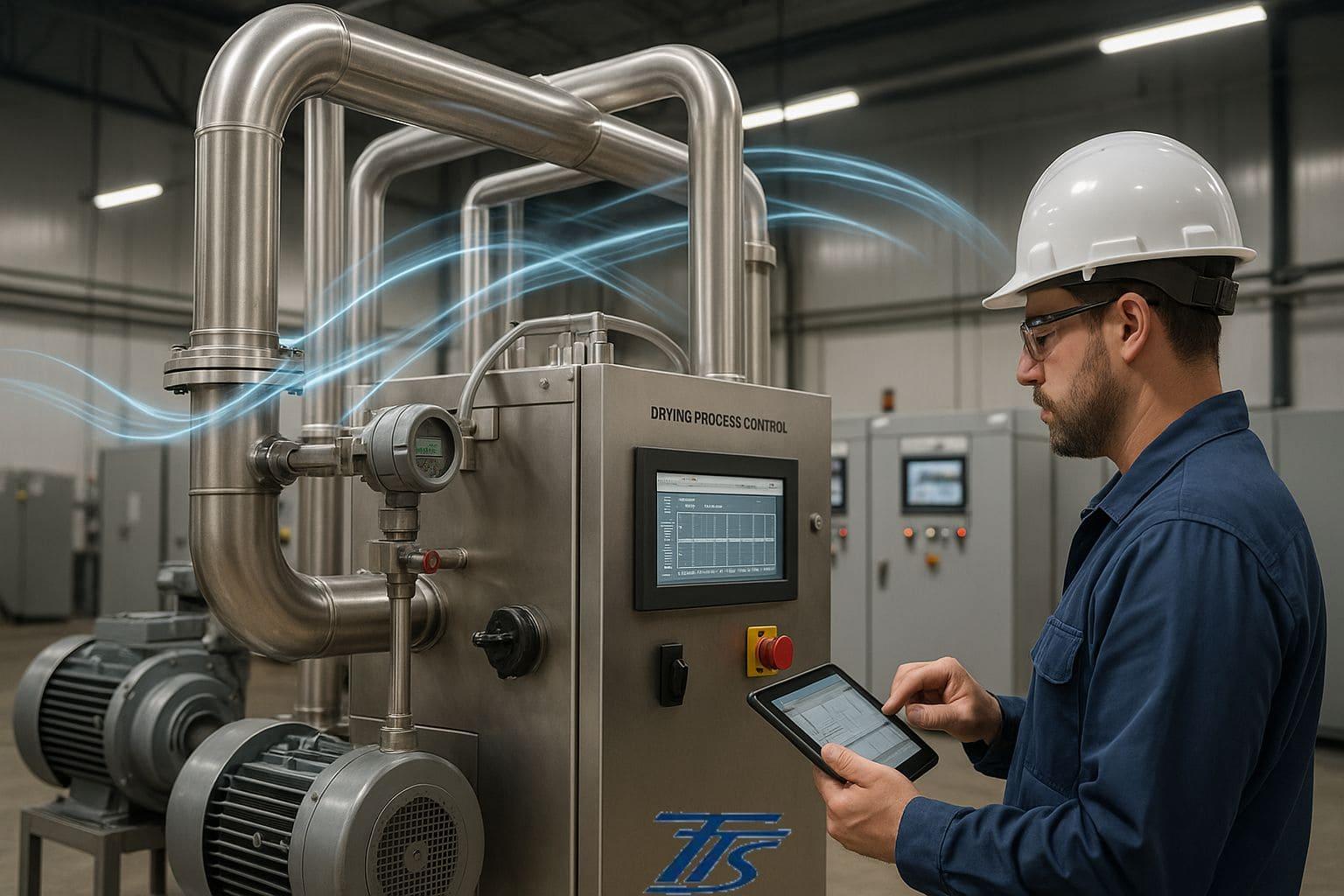
Accurate flow measurement is a foundational requirement in industrial operations where efficiency, safety, quality, and regulatory compliance depend on precise process control. Flow transmitters play a critical role by converting flow-related signals into standardized outputs used by control systems, monitoring platforms, and data historians. Over time, however, operating conditions such as temperature fluctuations, pressure variations, mechanical stress, and process contamination can affect measurement accuracy. Flow transmitter calibration is the structured process used to verify and adjust transmitter performance so that measured flow values accurately represent actual process conditions. In industrial environments, calibration is not optional—it is an essential discipline that supports stable operations and informed decision-making.
What a Flow Transmitter Is
A flow transmitter is an industrial measurement device that determines the rate of flow of liquids, gases, or steam within a piping system and converts that measurement into a standardized electrical signal, typically used by control and automation systems. The transmitter may be integrated with the primary sensing element or connected to it as a separate device, depending on the measurement technology.
Flow transmitters are used in conjunction with different flow measurement principles, including differential pressure, electromagnetic, ultrasonic, vortex shedding, turbine, and mass flow technologies. Regardless of the sensing method, the transmitter’s responsibility is to ensure that the flow signal delivered to the control system is accurate, repeatable, and stable under operating conditions.
Why Flow Transmitter Calibration Is Essential
Flow transmitter calibration ensures that the relationship between the measured flow and the transmitter output remains within defined accuracy limits. Over time, transmitter components can experience drift due to sensor aging, electronic degradation, mechanical wear, or changes in process conditions. These deviations may not always be immediately visible but can gradually impact process efficiency and control accuracy.
In industrial control loops, inaccurate flow data can lead to improper control actions, inefficient energy use, unbalanced process conditions, or excessive wear on equipment. In applications involving material balance, emissions reporting, or custody transfer, calibration inaccuracies may result in financial losses or non-compliance with regulatory standards. Regular calibration provides verification that the transmitter continues to perform as intended and supports confidence in operational data.
Flow Transmitter Calibration Methods
Calibration approaches vary depending on the flow measurement technology, criticality of the application, and operational constraints. One common method is bench calibration, where the transmitter is removed from the process and tested using calibrated reference equipment in a controlled environment. This method allows for high accuracy and repeatability but requires process interruption.
Field or in-situ calibration is performed with the transmitter installed in the process system. This method is often preferred in continuous operations where downtime is limited. Field calibration may involve signal simulation, comparison with portable reference standards, or verification against known process conditions.
Loop calibration focuses on verifying the entire measurement loop, from the flow sensor through the transmitter to the control system input. This approach ensures that signal integrity is maintained across wiring, input cards, and display systems, not just at the transmitter output. Loop calibration is particularly important when troubleshooting discrepancies between field measurements and control system readings.
Why Calibration Is Especially Important for Used Flow Transmitters
Used flow transmitters are commonly deployed in industrial facilities as cost-effective replacements or spares. While these instruments may remain mechanically and electrically sound, their prior service conditions can vary widely. Exposure to different fluids, pressures, temperatures, or installation practices can influence long-term performance.
Calibration is critical when commissioning used flow transmitters to confirm that measurement accuracy meets current application requirements. It verifies that the transmitter has not suffered permanent drift or damage and ensures alignment with system expectations. Without proper calibration, even a functioning transmitter may introduce hidden inaccuracies that affect process performance.
Industries That Depend on Flow Transmitter Calibration
Flow transmitter calibration is a standard practice across a wide range of industries. Oil and gas facilities rely on calibrated flow measurement for production monitoring, process optimization, and regulatory reporting. Chemical and petrochemical plants depend on precise flow control to maintain reaction efficiency and product quality.
Power generation facilities use calibrated flow transmitters to manage fuel flow, steam distribution, cooling water systems, and emissions control. Water and wastewater treatment plants rely on accurate flow data for treatment efficiency, compliance reporting, and infrastructure planning. Manufacturing industries, including food processing, pharmaceuticals, pulp and paper, and metals processing, also depend on calibrated flow transmitters to maintain consistent production and quality standards.
Key Benefits of Regular Flow Transmitter Calibration
One of the most significant benefits of regular calibration is improved measurement accuracy, which directly supports process efficiency and control stability. Accurate flow data enables tighter control tolerances, reduced waste, and optimized energy usage.
Calibration also reduces operational risk by identifying instrument drift or performance degradation before it leads to process disruptions or failures. Early detection allows maintenance teams to take corrective action in a planned manner rather than responding to unplanned downtime.
From a compliance perspective, documented calibration activities support adherence to industry standards, quality management systems, and environmental regulations. Calibration records provide traceability and accountability, which are essential during audits and inspections.
Buying Considerations Related to Calibration
When sourcing flow transmitters, particularly used equipment, buyers should evaluate how easily the instrument can be calibrated and maintained. Considerations include availability of calibration procedures, compatibility with existing calibration equipment, and accessibility of adjustment parameters.
Understanding the transmitter’s measurement principle, range, and output configuration is essential to ensure calibration can be performed accurately. Buyers should also consider whether the transmitter supports field calibration or requires removal for bench testing, as this affects maintenance planning and operational flexibility.
Maintenance and Long-Term Calibration Practices
Calibration should be integrated into a broader instrumentation maintenance strategy. Regular inspection of flow sensors, impulse lines, wiring, and mounting hardware helps prevent conditions that may compromise measurement accuracy. Cleaning and preventive maintenance reduce the risk of fouling, corrosion, or mechanical damage.
Calibration intervals should be based on process criticality, operating conditions, and historical performance rather than fixed schedules alone. Trending calibration data over time allows maintenance teams to adjust intervals proactively and focus resources where they deliver the most value.
Proper training of personnel is also essential. Consistent calibration procedures and skilled execution ensure that results are reliable, repeatable, and defensible across different operating sites.
Conclusion
Flow transmitter calibration is a critical discipline within industrial measurement and control systems. By ensuring that flow data accurately reflects real process conditions, calibration supports operational efficiency, product quality, regulatory compliance, and long-term asset reliability. Whether applied to new installations or used equipment, disciplined calibration practices reduce uncertainty and operational risk. In industrial environments where accurate flow measurement underpins performance and safety, consistent flow transmitter calibration remains an essential component of effective process management.
- Digital Agency
- Literie
- Location de voitures
- Restaurant
- Restaurant
- Mode
- Mode
- Information
- Marketing
- Tourisme
- Développement
- Découverte
- Législation
- Gastronomie
- Pâtisserie
- Etkinlik
- Art
- Causes
- Crafts
- Dance
- Drinks
- Film
- Fitness
- Food
- Oyunlar
- Gardening
- Health
- Ana sayfa
- Literature
- Music
- Networking
- diğer
- Party
- Religion
- Shopping
- Sports
- Theater
- Wellness
 Turkish
 Indian
 English
 French
 Arabic
 Spanish
 Portuguese
 Deutsch
 Dutch
Dutch
 Italiano
 Russian
 Romaian
 Portuguese (Brazil)
 Greek
Greek
