


Historical Landmarks of Umrah: Exploring the Ancient Sites You Visit with Ramadan Umrah Packages
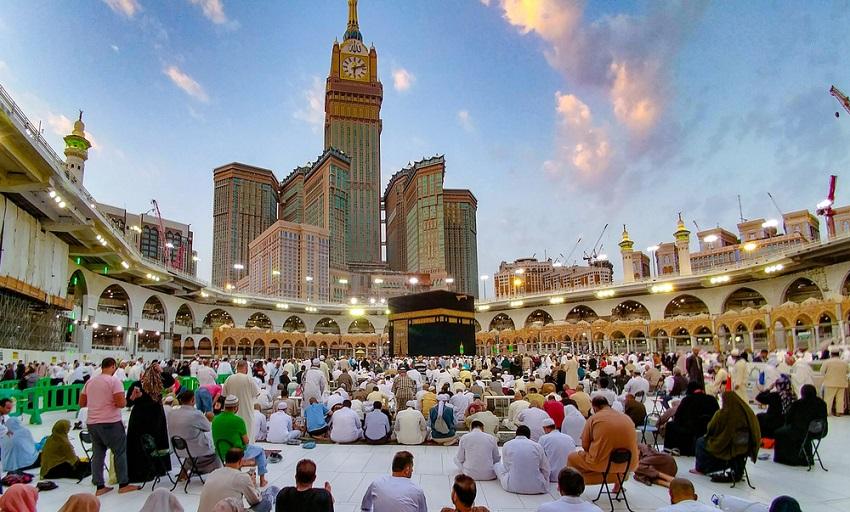
Umrah is often described as a spiritual reset, but for many pilgrims—especially those travelling with Ramadan Umrah packages—it’s also a rare chance to walk through living history. The journey from Makkah to Madinah is filled with sites that connect your worship to the Prophet’s ﷺ life, the early Muslim community, and the foundations of Islamic civilisation.
Still, many people arrive with a practical problem: they don’t know what the historical landmarks are, where they are, or how to visit them respectfully and efficiently during Ramadan. Crowds are bigger, time is tighter, and energy levels fluctuate with fasting. This guide solves that by mapping the key historical and religious sites you may visit (or can add to your itinerary), what they mean, and how to make the most of them without turning worship into a rushed tour.
Why historical landmarks matter in a Ramadan Umrah itinerary
Ramadan travel is different. Your days revolve around prayer times, tarawih, iftar, rest, and the logistics of moving in heavy crowds. Many pilgrims either skip history completely or get overwhelmed by disorganised “ziyarah” trips. But visiting landmarks with intention can:
- Help you understand the context of the Qur’an and Seerah (life of the Prophet ﷺ).
- Turn spare hours between prayers into meaningful reflection.
- Make family trips more educational, especially for children and first-timers.
- Reduce stress by giving you a clear, realistic plan instead of last-minute scrambling.
A good Ramadan Umrah package usually includes guided visits (ziyarah). The difference between “just seeing” and “actually benefiting” is knowing what each place represents and how to behave there.
Makkah: sacred history around the Haram and beyond
1) Al-Masjid al-Haram: the heart of the pilgrimage story
Your main “landmark” is the Haram itself—because every step in Umrah is anchored here.
- The Kaaba: the Qiblah of Muslims, built for worship of Allah alone and central to tawaf.
- Maqam Ibrahim: associated with Prophet Ibrahim (Abraham) عليه السلام and the legacy of building the Kaaba.
- Zamzam: a miracle tied to Hajar and Ismail عليهما السلام—both a physical blessing and a reminder of trust in Allah.
- Safa and Marwah: where you perform sa’i, reenacting Hajar’s perseverance.
Problem solved: Many pilgrims rush through rites without reflection. Before tawaf or sa’i, read a summary of the Ibrahim–Hajar narrative; it transforms the experience from “ritual motions” into a deeply personal story of reliance and sacrifice.
2) Jabal al-Nour and the Cave of Hira (viewpoint significance)
This mountain is tied to the beginning of Revelation. Most packages won’t include the climb (it’s physically demanding, especially while fasting), but many groups stop for a view or mention it on the bus route.
Practical tip: If you’re fasting and elderly/with kids, don’t force the hike. You can honor the site through learning and reflection without exhausting yourself and missing prayers in the Haram.
3) Jabal Thawr (association with Hijrah)
Connected to the migration narrative where the Prophet ﷺ and Abu Bakr رضي الله عنه took shelter. Similar advice applies: many people attempt climbs without preparation and end up sick or injured—especially in Ramadan crowds.
Problem solved: If your goal is spiritual benefit, prioritise what strengthens worship: prayers, Qur’an, rest, and safe movement. Let history be a support—not a strain.
4) Mina, Arafat, and Muzdalifah (context even outside Hajj)
Although Umrah doesn’t require these rites, some Ramadan Umrah packages offer sightseeing passes through these zones, especially for first-time visitors who may later return for Hajj. Understanding these places provides a broader understanding of the pilgrimage ecosystem and prophetic tradition.
Madinah: where Seerah becomes a lived landscape
If Makkah is the centre of worship, Madinah is the classroom of the Prophet’s ﷺ community. Many Ramadan Umrah packages include Madinah stays because worship in Al-Masjid an-Nabawi is a major highlight.
1) Al-Masjid an-Nabawi: the Prophet’s Mosque
Here, history and devotion meet in quiet harmony.
- Rawdah: often called “a garden from the gardens of Paradise” in tradition; access is usually managed via scheduling systems and crowd control.
- Sending salams: pilgrims visit to greet the Prophet ﷺ and his companions Abu Bakr and Umar رضي الله عنهما with etiquette, calmness, and respect.
Problem solved: People stress about Rawdah's “perfect timing” and push themselves into unsafe crowds. Instead, plan calmly, follow official scheduling, and focus on the quality of dua rather than the quantity of attempts.
2) Jannat al-Baqi: the cemetery of Madinah
A profound historical landmark: the resting place of many companions and members of the Prophet’s ﷺ family. Visits are typically brief and regulated.
Reflective focus: It’s a reminder of mortality, humility, and the reality that the greatest generation lived simply and returned to Allah.
3) Uhud Mountain and the Battlefield
A key site where the early Muslim community experienced hardship and lessons in obedience, patience, and sincerity. Many ziyarat tours include Uhud, often with narration about the battle and the martyrs.
Problem solved: Some tours become “photo stops.” Make it meaningful: listen to the story, connect it to personal struggles, and make dua for steadfastness.
4) Masjid Quba: the first mosque built on taqwa
Many Ramadan packages include a visit to Quba. Visiting and praying there is a beloved Sunnah practice.
Practical tip: Go early in the morning when possible—Ramadan afternoons are crowded and hot, and you want energy for Maghrib and Tarawih.
5) Masjid al-Qiblatayn: the mosque of the “two qiblahs”
Associated with the moment the direction of prayer changed. It offers a powerful lesson in immediate obedience and unity.
How to visit these sites well during Ramadan (without burnout)
Choose worship-first scheduling
- Keep your prime energy for Fajr, Maghrib, and Tarawih.
- Do historical visits in shorter windows—often mid-morning or after Asr, depending on heat and crowd flow.
Treat ziyarat like learning, not ticking boxes
Before each site, know three things:
- What happened here?
- What lesson does it teach?
- What dua will I make because of that lesson?
This simple framework turns a bus ride into spiritual growth.
Manage crowd stress with realistic expectations
Ramadan brings peak crowds. If your package includes guided tours, stay with your group, keep footwear simple, carry water for non-fasting family members, and avoid long hikes unless you’re physically ready.
Avoid common mistakes
- Don’t argue, push, or raise voices in sacred places.
- Don’t treat graves or historical sites as objects of worship.
- Don’t exhaust yourself with nonstop touring and then miss the serenity of prayer.
What to look for in Ramadan Umrah packages that include historical landmarks
If you’re choosing a package—or advising someone else—these features matter:
- Well-timed ziyarah that doesn’t clash with key prayers and rest
- Knowledgeable guide who explains Seerah with authenticity and clear etiquette
- Transport efficiency (short transfers, organized meeting points)
- Hotel proximity to the Haram and Masjid an-Nabawi (huge for Ramadan nights)
- Flexibility for elderly pilgrims, families, and first-timers
A package isn’t just hotels and flights. In Ramadan, it’s a strategy for conserving your energy so that history supports your worship—not replaces it.
Final reflection: making ancient sites part of your present transformation
The historical landmarks of Umrah aren’t “extra sightseeing.” They are reminders that Islam was lived by real people—who struggled, persevered, repented, and relied on Allah. When you visit these places with intention—especially during Ramadan—you’re not just observing the past. You’re borrowing its lessons for your own return to Allah.
- Digital Agency
- Literie
- Location de voitures
- Restaurant
- Restaurant
- Mode
- Mode
- Information
- Marketing
- Tourisme
- Développement
- Découverte
- Législation
- Gastronomie
- Pâtisserie
- Veranstaltung
- Art
- Causes
- Crafts
- Dance
- Drinks
- Film
- Fitness
- Food
- Spiele
- Gardening
- Health
- Startseite
- Literature
- Music
- Networking
- Andere
- Party
- Religion
- Shopping
- Sports
- Theater
- Wellness
 Deutsch
 Indian
 English
 French
 Arabic
 Spanish
 Portuguese
 Turkish
 Dutch
Dutch
 Italiano
 Russian
 Romaian
 Portuguese (Brazil)
 Greek
Greek
