


Ayodhya Visiting Places: Exploring the Sacred City of Lord Rama
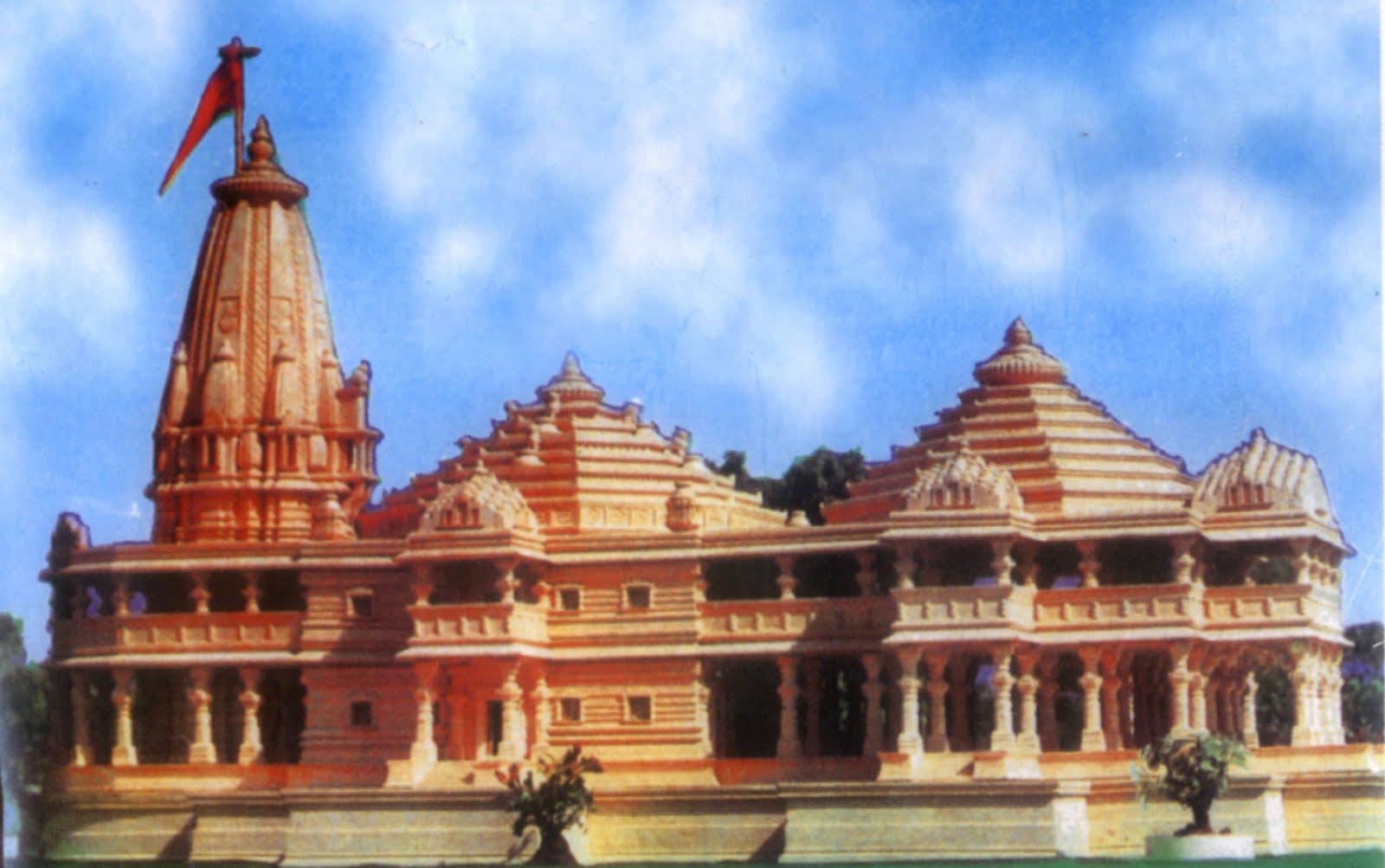
Ayodhya, located on the banks of the Sarayu River in Uttar Pradesh, is one of India’s most revered spiritual and cultural destinations. Ayodhya visiting places include grand temples, serene ghats, palaces, gardens, and cultural landmarks that narrate stories of faith and heritage. Known as the birthplace of Lord Rama, the city is deeply rooted in mythology, history, and devotion.
This article explores the most popular places to visit in Ayodhya, their significance, and the experiences they offer. Whether you are a pilgrim seeking blessings or a traveler exploring history, Ayodhya promises a journey filled with spirituality, culture, and discovery.
Shree Ram Janmabhoomi Temple
The Shree Ram Janmabhoomi Temple is the most iconic site in Ayodhya. Revered as the birthplace of Lord Rama, the temple is a symbol of devotion and cultural pride. The grand temple complex features intricate carvings, spacious courtyards, and a spiritual aura that draws millions of pilgrims annually. Visiting here is not just about faith—it is about witnessing history and heritage.
Hanuman Garhi
The Hanuman Garhi Temple is one of Ayodhya’s most visited shrines. Dedicated to Lord Hanuman, it is perched atop a hill and requires climbing several steps to reach. The temple houses a massive idol of Lord Hanuman and is believed to protect the city. The panoramic view of Ayodhya from the temple adds to its charm, making it both a spiritual and scenic destination.
Kanak Bhawan
The Kanak Bhawan is a temple dedicated to Lord Rama and Goddess Sita. It is believed to have been gifted to Sita by Queen Kaikeyi after her marriage. The temple is adorned with beautiful idols of Rama and Sita dressed in gold ornaments. Its architecture and spiritual ambiance make it one of Ayodhya’s most cherished temples.
Dashrath Mahal
The Dashrath Mahal is a palace dedicated to King Dashrath, father of Lord Rama. Located near Ramkot, it is adorned with colorful decorations and idols of Lord Rama, Sita, Lakshman, and Hanuman. The palace is a vibrant cultural site, often filled with devotional music and rituals. It offers a glimpse into the royal heritage of Ayodhya.
Nageshwarnath Temple
The Nageshwarnath Temple is dedicated to Lord Shiva and is believed to have been established by Kush, son of Lord Rama. The temple is especially lively during Shivratri, attracting devotees from across the region. Its historical significance and spiritual ambiance make it a must-visit.
Guptar Ghat
The Guptar Ghat is a peaceful riverside complex associated with Lord Rama’s final departure from the world. It features temples, shrines, and ghats built in the 19th century. Pilgrims visit to pay homage and meditate by the river. The calm environment and historical significance make it a must-visit for those seeking tranquility.
Naya Ghat
The Naya Ghat is a vibrant riverside attraction where devotees gather for ritual bathing in the sacred Sarayu River. Evening aartis here are mesmerizing, with lamps floating on the river creating a serene atmosphere. It’s a perfect spot for spiritual reflection and photography.
Tulsi Udyan
The Tulsi Udyan is a serene garden dedicated to the poet-saint Goswami Tulsidas, who composed the Ramcharitmanas. The garden features statues, monuments, and lush greenery, making it a peaceful retreat. It is ideal for visitors interested in literature, spirituality, and quiet reflection.
Raj Sadan
The Raj Sadan is a cultural landmark in Ayodhya, known for its architectural beauty and historical relevance. It serves as a reminder of the city’s regal past and is often visited by those exploring Ayodhya’s heritage beyond temples. The site is less crowded, offering a calm experience for history enthusiasts.
Treta Ke Thakur Temple
The Treta Ke Thakur Temple is believed to house idols of Lord Rama, Sita, Lakshman, and Hanuman carved out of black stone. The temple is associated with the Ashwamedha Yajna performed by Lord Rama. Its historical and religious significance makes it an important stop for pilgrims.
Mani Parvat
The Mani Parvat is a hillock in Ayodhya believed to have been a part of the Sanjeevani mountain carried by Hanuman. The site offers panoramic views of the city and is dotted with temples and shrines. It is both a spiritual and scenic destination.
Ayodhya Ghats
Ayodhya’s ghats along the Sarayu River are central to its spiritual life.
-
Ram Ki Paidi: A series of ghats where devotees take holy dips.
-
Lakshman Ghat: Associated with Lakshman’s penance.
-
Janki Ghat: Dedicated to Goddess Sita.
Evening aartis at these ghats are a mesmerizing experience, with chants, lamps, and the river flowing serenely.
Festivals and Cultural Experiences in Ayodhya
Ayodhya comes alive during festivals, offering visitors a chance to experience its vibrant culture.
-
Ram Navami: Celebrated with grandeur at Ram Janmabhoomi.
-
Diwali: Known as Deepotsav, Ayodhya lights up with millions of lamps.
-
Makar Sankranti: Ritual bathing at Sarayu Ghats.
These festivals attract thousands of visitors, making Ayodhya a cultural hotspot.
Suggested 5-Day Ayodhya Travel Itinerary
Day 1: Arrival – Visit Ram Janmabhoomi Temple and Hanuman Garhi.
Day 2: Explore Kanak Bhawan, Dashrath Mahal, and Nageshwarnath Temple.
Day 3: Guptar Ghat, Naya Ghat, and evening aarti at Ram Ki Paidi.
Day 4: Tulsi Udyan, Raj Sadan, and Treta Ke Thakur Temple.
Day 5: Mani Parvat and local markets for handicrafts and cuisine.
Challenges in Ayodhya Tourism
-
Overcrowding: Popular sites face heavy tourist traffic.
-
Preservation Issues: Ancient monuments require careful maintenance.
-
Infrastructure Gaps: Need for improved facilities and connectivity.
Future of Ayodhya Tourism
Ayodhya is undergoing rapid development to accommodate growing tourism. Future trends include:
-
Eco-friendly tourism: Sustainable practices at ghats and temples.
-
Digital integration: Virtual tours and online booking systems.
-
Global outreach: Promoting Ayodhya as a spiritual destination worldwide.
Conclusion
Ayodhya visiting places are more than just tourist attractions—they are journeys into the heart of spirituality, culture, and history. From the grandeur of the Ram Janmabhoomi Temple to the serenity of Guptar Ghat and the charm of Kanak Bhawan, each site offers a unique experience.
For pilgrims, Ayodhya is a sacred path to devotion; for travelers, it is a window into India’s cultural heritage; and for humanity, it is a reminder of faith, peace, and unity. As Ayodhya continues to balance tradition with modernity, its visiting places will remain timeless treasures for generations to come.
- Digital Agency
- Literie
- Location de voitures
- Restaurant
- Restaurant
- Mode
- Mode
- Information
- Marketing
- Tourisme
- Développement
- Découverte
- Législation
- Gastronomie
- Pâtisserie
- Evenement
- Art
- Causes
- Crafts
- Dance
- Drinks
- Film
- Fitness
- Food
- Spellen
- Gardening
- Health
- Home
- Literature
- Music
- Networking
- Overig
- Party
- Religion
- Shopping
- Sports
- Theater
- Wellness
 Dutch
Dutch
 Indian
 English
 French
 Arabic
 Spanish
 Portuguese
 Deutsch
 Turkish
 Italiano
 Russian
 Romaian
 Portuguese (Brazil)
 Greek
Greek
