


Buddhist Festivals in India: Celebrating the Path of Enlightenment
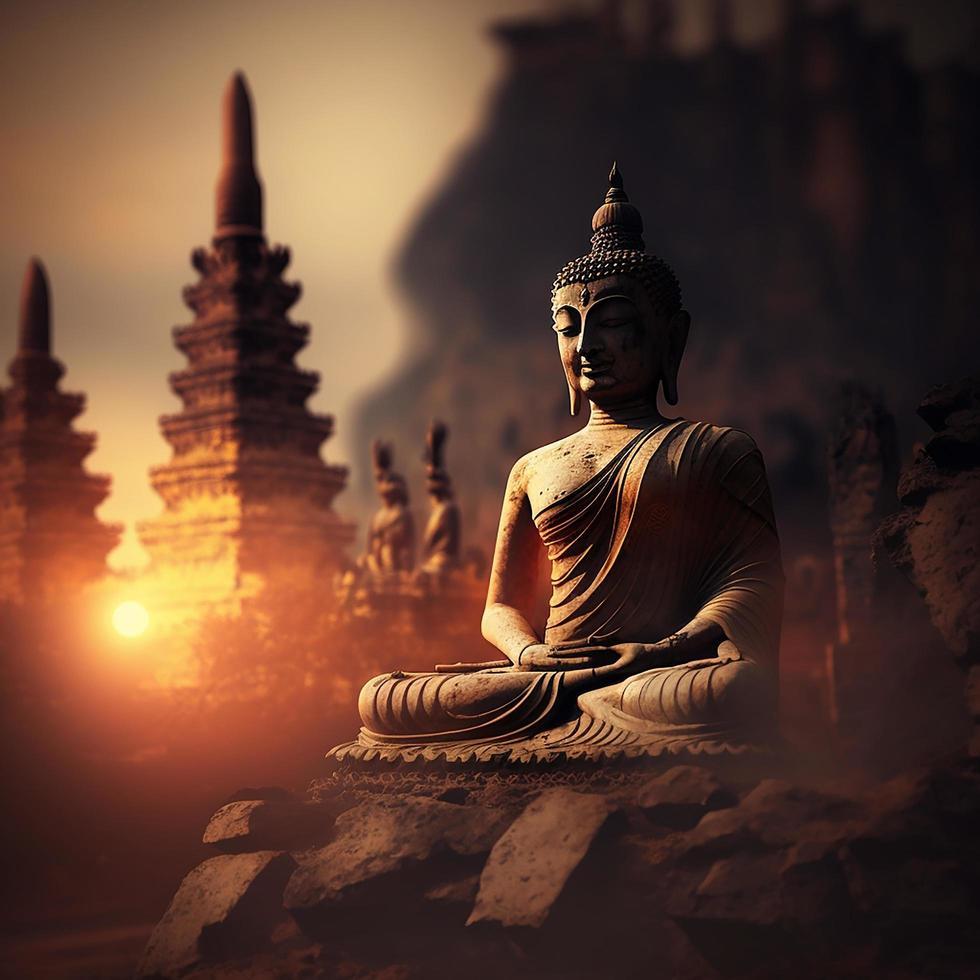
India, the birthplace of Buddhism, continues to be a vibrant center for Buddhist traditions and celebrations. Buddhist Festivals in India are not only spiritual events but also cultural gatherings that bring communities together in prayer, meditation, and joy. These festivals commemorate key milestones in the life of Siddhartha Gautama—the Buddha—including his birth, enlightenment, and Mahaparinirvana.
This article explores the major Buddhist festivals celebrated across India, their historical significance, rituals, and cultural impact.
Importance of Buddhist Festivals
1. Spiritual Significance
-
Reinforce Buddhist teachings of compassion, mindfulness, and peace.
-
Provide opportunities for meditation, chanting, and reflection.
2. Cultural Heritage
-
Preserve ancient traditions and rituals.
-
Showcase Buddhist art, music, and community practices.
3. Social Impact
-
Encourage unity among diverse Buddhist communities.
-
Promote cross-cultural understanding and tourism.
Major Buddhist Festivals in India
1. Buddha Purnima (Vesak or Buddha Jayanti)
-
Significance: Marks the birth, enlightenment, and death of Lord Buddha.
-
Date: Celebrated on the full moon day in April or May.
-
Celebrations:
-
Pilgrims gather at Bodh Gaya, Sarnath, and Kushinagar.
-
Rituals include prayers, meditation, and offerings.
-
Lanterns and decorations illuminate temples.
-
-
Cultural Impact: Attracts international visitors, making it the most widely celebrated Buddhist festival.
2. Magha Puja (Sangha Day)
-
Significance: Commemorates the spontaneous gathering of 1,250 monks to hear Buddha’s teachings.
-
Date: Celebrated on the full moon day of Magha (February).
-
Celebrations:
-
Chanting of scriptures.
-
Candlelight processions around stupas.
-
Observance of the Five Precepts.
-
3. Nirvana Diwas
-
Significance: Observed to mark Buddha’s Mahaparinirvana at Kushinagar.
-
Date: February 15.
-
Celebrations:
-
Pilgrims visit Kushinagar’s Mahaparinirvana Temple.
-
Meditation and prayers for liberation.
-
Cultural programs highlighting Buddhist philosophy.
-
4. Theravada New Year
-
Significance: Celebrated by Theravada Buddhists as the start of the new year.
-
Date: April (varies by lunar calendar).
-
Celebrations:
-
Water rituals symbolizing purification.
-
Community feasts and temple visits.
-
Merit-making activities like donations and offerings.
-
5. Kathina Ceremony
-
Significance: Marks the end of the monastic rains retreat.
-
Date: October–November.
-
Celebrations:
-
Offering of new robes to monks.
-
Community gatherings and rituals.
-
Acts of generosity and charity.
-
6. Other Regional Festivals
-
Losar (Tibetan New Year): Celebrated in Ladakh and Sikkim with dances and rituals.
-
Ullambana: Observed in Mahayana tradition, focusing on prayers for ancestors.
-
Festival of Lights at Sarnath: Lanterns and cultural programs during Buddha Purnima.
Rituals and Practices During Buddhist Festivals
-
Meditation and Chanting: Central to all festivals, reinforcing mindfulness.
-
Offerings: Flowers, incense, and food offered at temples.
-
Community Service: Acts of charity and donations to the needy.
-
Cultural Programs: Folk dances, music, and exhibitions of Buddhist art.
Buddhist Festivals and Tourism in India
Buddhist festivals attract thousands of international visitors, especially from countries like Japan, Thailand, Sri Lanka, and Myanmar. Key destinations include:
-
Bodh Gaya: Mahabodhi Temple during Buddha Purnima.
-
Sarnath: Lantern festivals and cultural events.
-
Kushinagar: Nirvana Diwas ceremonies.
-
Ladakh and Sikkim: Tibetan Buddhist festivals like Losar.
Tourism during these festivals boosts local economies and promotes India’s spiritual heritage.
Challenges in Celebrating Buddhist Festivals
-
Overcrowding: Popular sites like Bodh Gaya face heavy tourist traffic.
-
Preservation Issues: Ancient monuments require careful maintenance.
-
Commercialization: Excessive commercialization can dilute spiritual essence.
-
Environmental Concerns: Waste management during large gatherings.
Sustainable Practices for Buddhist Festivals
-
Eco-friendly decorations and rituals.
-
Promotion of local crafts and community tourism.
-
Awareness campaigns for responsible travel.
-
Preservation projects for heritage sites.
Future of Buddhist Festivals in India
The future looks promising, with trends such as:
-
Digital celebrations: Online streaming of rituals and teachings.
-
Global outreach: International participation in Indian festivals.
-
Wellness integration: Combining Buddhist philosophy with yoga and meditation retreats.
-
Eco-conscious practices: Sustainable tourism during festivals.
Sample Festival Circuit Itinerary (7 Days)
Day 1: Bodh Gaya – Buddha Purnima rituals at Mahabodhi Temple.
Day 2: Sarnath – Lantern festival and cultural programs.
Day 3: Kushinagar – Nirvana Diwas prayers at Mahaparinirvana Temple.
Day 4: Rajgir – Meditation at Vulture’s Peak.
Day 5: Nalanda – Heritage walk through ancient university ruins.
Day 6: Ladakh – Losar festival celebrations.
Day 7: Sikkim – Rumtek Monastery rituals and cultural immersion.
Conclusion
Buddhist Festivals in India are more than religious observances—they are celebrations of peace, compassion, and cultural heritage. From Buddha Purnima’s grand ceremonies to Nirvana Diwas’s solemn prayers, these festivals connect people to the timeless teachings of the Enlightened One.
For pilgrims, they are paths to faith; for travelers, they are windows into Buddhist culture; and for humanity, they are reminders of mindfulness and compassion. As India continues to promote its spiritual heritage, Buddhist festivals will remain a cornerstone of cultural tourism and spiritual practice.
- Digital Agency
- Literie
- Location de voitures
- Restaurant
- Restaurant
- Mode
- Mode
- Information
- Marketing
- Tourisme
- Développement
- Découverte
- Législation
- Gastronomie
- Pâtisserie
- Event
- Art
- Causes
- Crafts
- Dance
- Drinks
- Film
- Fitness
- Food
- Games
- Gardening
- Health
- Home
- Literature
- Music
- Networking
- Other
- Party
- Religion
- Shopping
- Sports
- Theater
- Wellness
 English
 Indian
 French
 Arabic
 Spanish
 Portuguese
 Deutsch
 Turkish
 Dutch
Dutch
 Italiano
 Russian
 Romaian
 Portuguese (Brazil)
 Greek
Greek
