


Best Time to Visit Ayodhya: A Complete Travel Guide
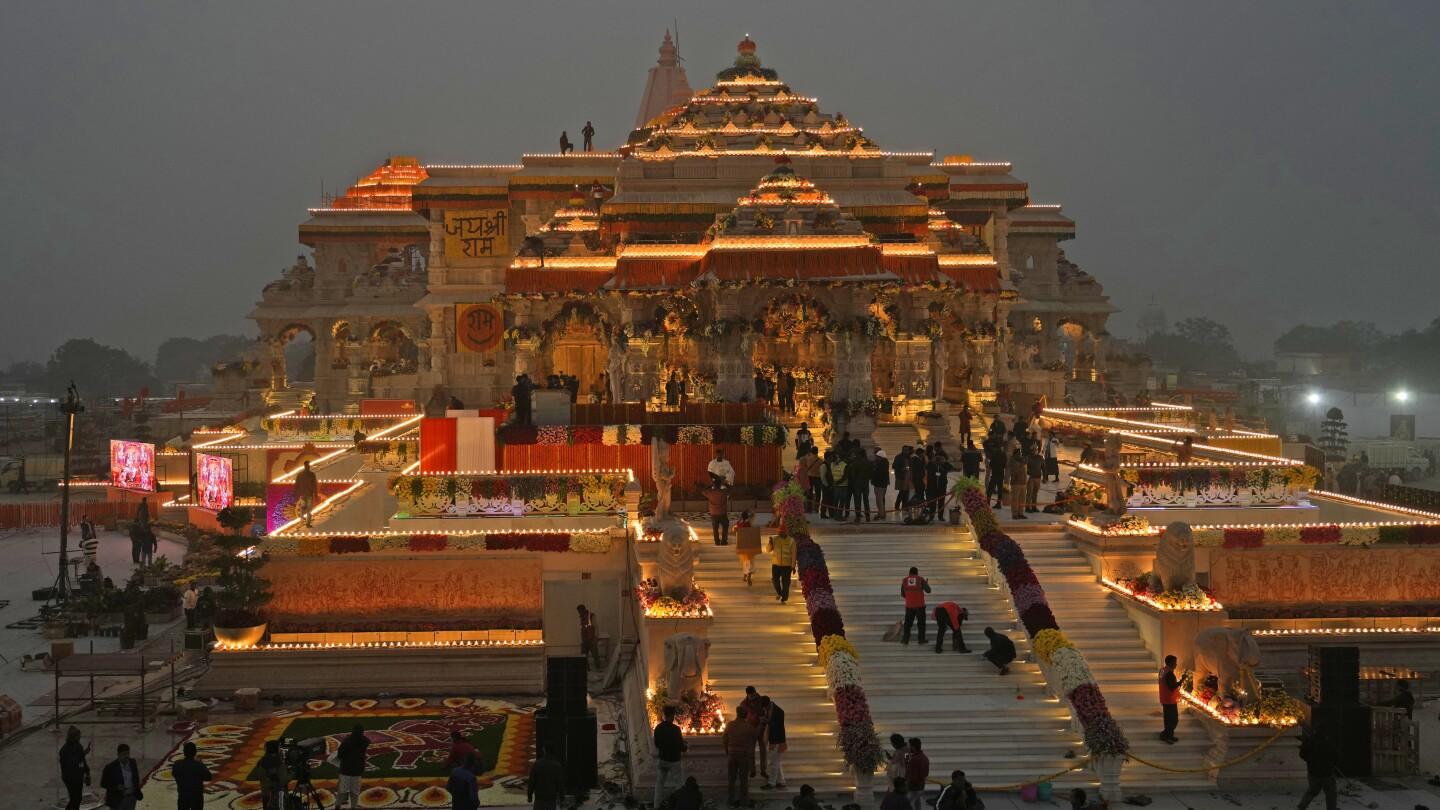
Ayodhya, the sacred city on the banks of the Sarayu River, is one of India’s most revered pilgrimage destinations. For travelers, the Best Time to Visit Ayodhya depends on weather, festivals, and personal interests. Whether you seek spiritual experiences, cultural immersion, or leisurely exploration, timing your visit can make all the difference. Known as the birthplace of Lord Rama, it holds immense religious, cultural, and historical significance.
🌄 Introduction to Ayodhya
-
Ayodhya is located in Uttar Pradesh, about 130 km from Lucknow.
-
It is one of the Sapta Puri (seven sacred cities) in Hinduism.
-
The city is dotted with temples, ghats, gardens, and historical monuments.
-
Pilgrims and tourists visit throughout the year, but the best time to visit Ayodhya varies depending on climate and festivals.
🌤️ Seasonal Overview of Ayodhya
Winter (October to March)
-
Weather: Pleasant, with temperatures ranging from 8°C to 25°C.
-
Highlights: Ideal for sightseeing, temple visits, and outdoor activities.
-
Festivals: Diwali, Ram Navami, and Makar Sankranti are celebrated with grandeur.
-
Recommendation: This is widely considered the best time to visit Ayodhya for comfortable travel.
Summer (April to June)
-
Weather: Hot, with temperatures between 28°C and 45°C.
-
Highlights: Fewer crowds, but sightseeing can be challenging due to heat.
-
Festivals: Hanuman Jayanti and other temple rituals continue.
-
Recommendation: Suitable for budget travelers, but avoid midday outings.
Monsoon (July to September)
-
Weather: Moderate to heavy rainfall, temperatures between 25°C and 35°C.
-
Highlights: Lush greenery and refreshed ghats along the Sarayu River.
-
Festivals: Shravan month rituals and Janmashtami celebrations.
-
Recommendation: Good for spiritual travelers, but rain may disrupt plans.
🕉️ Best Time to Visit Ayodhya for Pilgrimage
Ayodhya is primarily a pilgrimage destination, and festivals play a huge role in deciding the best time to visit.
-
Ram Navami (March–April): Celebrates the birth of Lord Rama with grand processions and rituals.
-
Diwali (October–November): Marks Lord Rama’s return to Ayodhya; the city glows with millions of lamps.
-
Chhath Puja (October–November): Devotees worship the Sun God on Sarayu Ghats.
-
Makar Sankranti (January): Holy dips in the Sarayu River are considered auspicious.
For pilgrims, the best time to visit Ayodhya is during these festivals, when the city is at its most vibrant.
🏞️ Best Time to Visit Ayodhya for Sightseeing
If your focus is on exploring Ayodhya’s temples, ghats, and historical sites:
-
Winter (October to March): Comfortable weather for walking tours and photography.
-
Morning and Evening Hours: Ideal for visiting Ram Janmabhoomi Temple, Hanuman Garhi, and Kanak Bhawan.
-
Festivals: Adds cultural depth to sightseeing, but expect crowds.
🌊 Best Time to Visit Ayodhya for River Activities
The Sarayu River is central to Ayodhya’s spiritual and cultural life.
-
Winter and Monsoon: Best for boating and evening aarti at Ram Ki Paidi.
-
Festivals: Diwali and Chhath Puja transform the ghats into glowing spectacles.
-
Photography: Early mornings offer serene views of the river and temples.
🎭 Best Time to Visit Ayodhya for Cultural Experiences
Ayodhya is not just about temples—it’s about living traditions.
-
Diwali (Deepotsav): The city is illuminated with millions of diyas, creating a magical atmosphere.
-
Ram Navami: Processions, music, and dance performances bring the Ramayana to life.
-
Local Fairs: Cultural programs, handicraft exhibitions, and folk performances.
For cultural immersion, the best time to visit Ayodhya is during these festivals.
🛍️ Best Time to Visit Ayodhya for Shopping
Ayodhya’s bazaars offer religious souvenirs and local crafts.
-
Festival Seasons: Markets are vibrant, with idols, incense, and decorative items.
-
Winter Months: Comfortable for exploring local shops.
-
Popular Purchases: Wooden artifacts, Ramayana books, prayer beads, and sweets.
🍲 Best Time to Visit Ayodhya for Food Lovers
Ayodhya’s cuisine is simple yet flavorful.
-
Winter: Best for enjoying hot puri-sabzi, kachori, and jalebi.
-
Festivals: Special prasad and sweets like laddoos and peda are widely available.
-
Street Food: Chaat, samosa, and lassi are popular year-round.
🏨 Best Time to Visit Ayodhya for Comfortable Stays
Accommodation options range from dharmshalas to modern hotels.
-
Winter and Festival Seasons: High demand, so book early.
-
Summer: Easier availability and lower prices.
-
Recommendation: Plan stays during festivals for a richer experience, but expect higher costs.
🚉 Travel Tips for the Best Time to Visit Ayodhya
-
Book Early: Especially during Diwali and Ram Navami.
-
Dress Modestly: Respect local customs at temples and ghats.
-
Plan Around Festivals: Crowds can be overwhelming, but the experience is unforgettable.
-
Weather Precautions: Carry light woolens in winter, sunscreen in summer, and umbrellas in monsoon.
📸 Photography Opportunities
The best time to visit Ayodhya for photography depends on your interests.
-
Winter: Clear skies and golden light for temple shots.
-
Festivals: Vibrant colors, illuminated ghats, and cultural processions.
-
Monsoon: Lush greenery and dramatic skies.
✨ Why Timing Matters
Choosing the best time to visit Ayodhya ensures:
-
Comfortable travel and sightseeing.
-
Participation in grand festivals.
-
Opportunities for cultural immersion.
-
Memorable photography and spiritual experiences.
📖 Conclusion
The Best Time to Visit Ayodhya depends on what you seek. For pleasant weather and sightseeing, winter (October to March) is ideal. For spiritual and cultural immersion, festivals like Diwali and Ram Navami are unmatched. Monsoon offers serenity, while summer suits budget travelers. No matter when you visit, Ayodhya promises a journey into the heart of India’s spirituality, culture, and history.
- Digital Agency
- Literie
- Location de voitures
- Restaurant
- Restaurant
- Mode
- Mode
- Information
- Marketing
- Tourisme
- Développement
- Découverte
- Législation
- Gastronomie
- Pâtisserie
- Evenement
- Art
- Causes
- Crafts
- Dance
- Drinks
- Film
- Fitness
- Food
- Spellen
- Gardening
- Health
- Home
- Literature
- Music
- Networking
- Overig
- Party
- Religion
- Shopping
- Sports
- Theater
- Wellness
 Dutch
Dutch
 Indian
 English
 French
 Arabic
 Spanish
 Portuguese
 Deutsch
 Turkish
 Italiano
 Russian
 Romaian
 Portuguese (Brazil)
 Greek
Greek
