


Pre-Handover Inspections vs. Practical Completion Inspections: What’s the Difference?
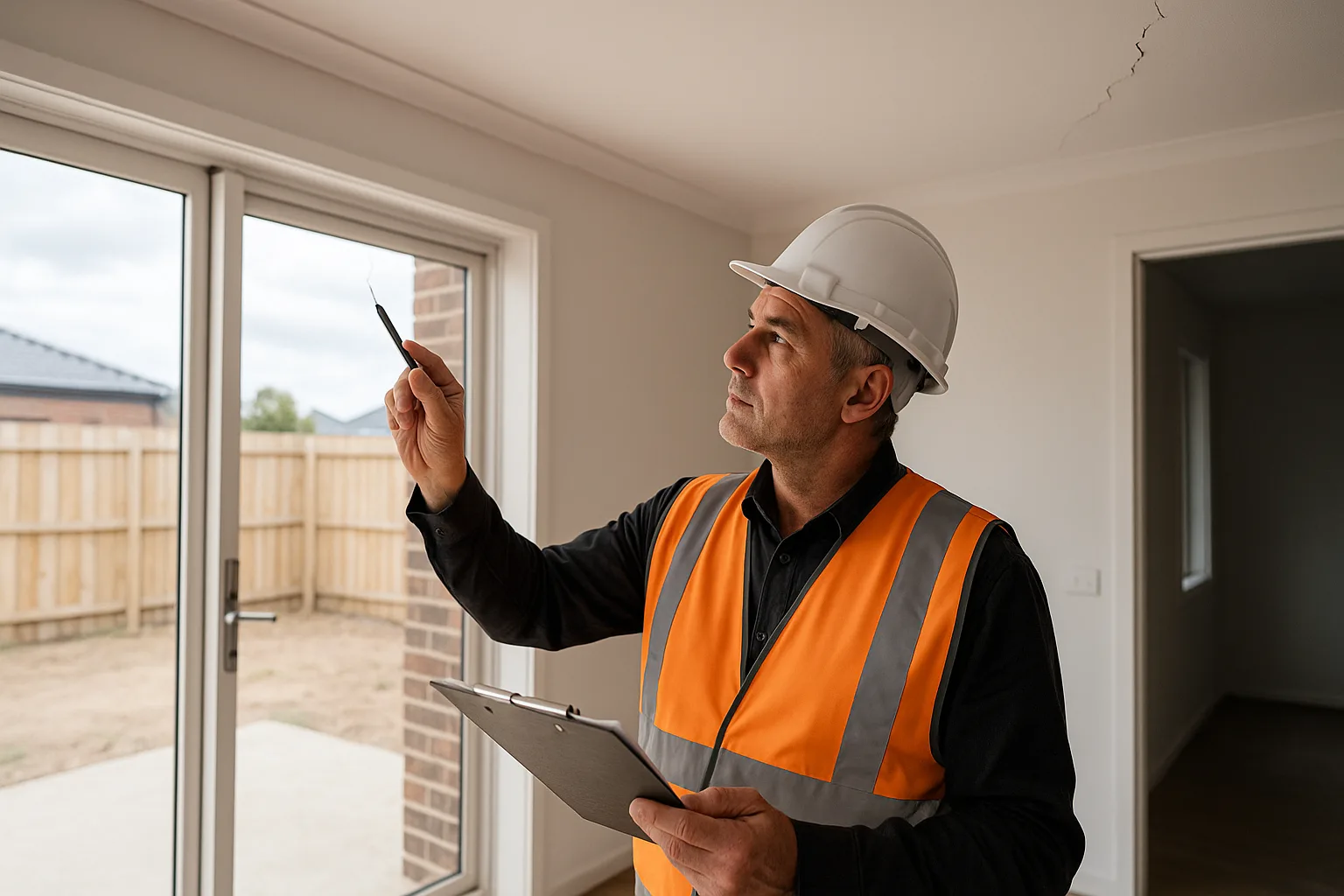
You’re nearing the end of your home build. The floors are in, the paint is dry, and the builder is smiling like everything is perfect. But before you grab the keys and start planning the housewarming, there are two crucial steps that can make or break your confidence in your brand-new home: Pre-Handover Inspections and Practical Completion Inspections.
Here’s the catch: most homeowners think these two are the same thing. They’re not. Not even close.
This blog breaks down the real difference between them, what each inspection actually covers, and why relying on only one can leave you with expensive regrets later. If you’re researching what Pre-Handover Inspections include, how they differ from Practical Completion, and which one protects your rights as a buyer, here’s everything you need to know about Pre-Handover Inspections before signing off on your new home.
Snapshot Summary (Quick Overview)
Here’s the short version before we dive deeper:
-
Pre-Handover Inspections are carried out by independent professionals who identify defects, incomplete work, safety concerns, and items not built to contract or building standards.
-
Practical Completion Inspections (PCI) are done by the builder to confirm the home is “completed enough” to present to the client—but they’re not a substitute for an independent inspection.
-
PCI focuses on readiness.
Pre-Handover focuses on quality, safety, and compliance. -
Missing a proper Pre-Handover Inspection can lead to costly repairs, warranty disputes, and years of annoyance (like a door that never closes properly… forever).
Want the full breakdown? Keep reading!
What Is a Practical Completion Inspection (PCI)?
A Practical Completion Inspection is carried out by your builder once they believe your home is “practically complete,” meaning:
-
All essential building work is finished
-
Services are connected
-
The home is ready for you to walk through
-
Only minor defects may remain
PCI is an important milestone, but here’s the key: the builder is inspecting their own work. It’s like a student grading their own exam—they know where the mistakes are, but they also know what they hope you won’t notice.
What builders usually check during PCI:
-
Paintwork
-
Fixtures installed
-
Appliances working
-
Doors and windows opening and closing
-
Basic visual checks
-
Cosmetic defects
The goal of PCI is to decide if the home can move to the handover stage. But it doesn’t dig deep into compliance, structural details, or hidden defects.
What Is a Pre-Handover Inspection?
A Pre-Handover Inspection is a detailed, independent assessment carried out by a qualified building inspector on your behalf, not the builder’s. It’s the inspection that matters. This is where problems are caught early—before they become your responsibility.
What it covers:
-
Structural issues
-
Roof voids (if accessible)
-
Incomplete or non-compliant work
-
Waterproofing failures
-
Plumbing and drainage issues
-
Electrical safety concerns
-
Window and door installation standards
-
Tiling, flooring, cabinetry and finishes
-
Exterior and site drainage
-
Safety hazards
-
Missing items or deviations from the contract
A Pre-Handover Inspection uses building standards, construction codes, and contract terms as the benchmark—not the builder’s opinion.
Why it matters:
Your builder may say, “It’s all good!”
Your inspector may walk in and find 70+ defects.
Pre-Handover vs Practical Completion: The Real Difference
Here’s the head-to-head comparison:
1. Who Performs the Inspection
-
PCI: Builder
-
Pre-Handover: Independent qualified inspector
Independence matters. Big time.
2. What They Look For
-
PCI: Cosmetic readiness
-
Pre-Handover: Compliance, safety, structural quality, standards, and proper workmanship
3. Level of Detail
PCI: “Does it open?”
Pre-Handover: “Does it open, latch, seal, align, insulate and meet code requirements?”
4. Tools Used
-
PCI: Eyes and a clipboard
-
Pre-Handover: Moisture meters, levels, measuring devices, compliance checks, thermal cameras (sometimes)
5. Outcome
-
PCI: Builder claims the house is ready
-
Pre-Handover: You get a detailed defect list that must be fixed before handover
Did You Know?
An average Australian new-build home has 40–80 defects at Pre-Handover. Most are invisible to the untrained eye and many relate to waterproofing, drainage, insulation, tiling levels, and door installation—issues that can cost thousands if not fixed early.
Pro Tip Box
Pro Tip:
Never accept builder explanations like “That’s within tolerance” without checking the actual Australian Standards. A professional inspector will confirm whether it really is.
Common Issues Found in Pre-Handover Inspections
1. Waterproofing Failures
Incomplete sealing around wet areas is the number one cause of early-stage home damage.
2. Uneven Floors
Often due to slab issues or incorrect installation.
3. Incorrectly Installed Windows & Doors
Misaligned frames = water leaks + energy loss.
4. Cracked Tiles
Not “normal.” Often caused by poor substrate preparation.
5. Incomplete or Poor Paintwork
Builders often save time by cutting corners here.
6. Safety Hazards
Loose balustrades, sharp edges, missing screws—you name it.
7. Drainage Problems
Water pooling around the home can cause long-term structural damage.
8. Missing Items
Yes, builders sometimes “forget” things in the contract.
Quick Guide: How to Approach a Pre-Handover Inspection the Smart Way
Intro
Imagine you're days away from receiving your keys. Everything looks perfect at first glance—but hidden in the shine might be defects that cause leaks, electrical problems, or structural headaches later. This is where a proper Pre-Handover Inspection saves you from years of repairs.
Common Challenges
-
Are those cracks normal or signs of movement?
-
Is the waterproofing done correctly?
-
Does the house meet Australian Standards, or just “look nice”?
How to Solve It
1. Hire an Independent Inspector
They work for you, not the builder.
2. Book the Inspection Before Signing Off on PCI
Once you approve PCI, leverage decreases.
3. Use a Detailed Written Report
Photos, findings, and recommendations—everything documented.
4. Follow Up on Rectifications
Don’t settle for promises. Get confirmation.
Why It Works
Independent inspections give you negotiating power, protect your investment, and ensure your home is built to standard—not to speed.
QUIZ: Do You Know the Difference Between PCI and Pre-Handover?
Answer honestly (only your house will judge you):
1. Who carries out the Practical Completion Inspection?
A. The builder
B. An independent inspector
C. Whoever looks most confident
2. Which inspection checks structural and compliance issues?
A. PCI
B. Pre-Handover Inspection
C. Neither, just trust good vibes
3. Does PCI guarantee your home is defect-free?
A. Yes
B. No
C. It guarantees the builder thinks so
Results:
If you answered A, B, B… congratulations, you understand the essentials!
FAQs About Pre-Handover Inspections
1. Are Pre-Handover Inspections mandatory?
No, but they are strongly recommended. Many homeowners regret skipping them when defects appear months after moving in.
2. When should I book a Pre-Handover Inspection?
Right after the builder notifies you of Practical Completion—but before signing anything.
3. How long does a Pre-Handover Inspection take?
Between 90 minutes to 3 hours, depending on the home size and complexity.
4. Do builders get upset if I bring an inspector?
Some do, but they can’t legally stop you. And a builder’s discomfort is not more important than your investment.
5. Will I get a written report?
Yes. A proper inspection always includes a detailed, photo-supported defect report.
6. What if defects are found?
The builder must rectify them before handover. You have the right to request this under contract and consumer law.
7. Do Pre-Handover Inspections cover structural certification?
They assess visible defects, installation issues, and compliance, but don’t replace engineering certification.
Conclusion
A new home should be a joy—not a stress-filled journey of repairs, disputes, and hidden defects. Understanding the difference between Practical Completion Inspections and Pre-Handover Inspections helps Australian homeowners protect themselves from costly mistakes.
While PCI focuses on presenting a finished home, a Pre-Handover Inspection digs deeper into quality, compliance, and safety. By investing in a proper inspection before accepting the keys, you secure peace of mind and ensure your home meets the standards you’re paying for.
A new build deserves a thorough check—because fixing defects later is never as easy as catching them early.
- Digital Agency
- Literie
- Location de voitures
- Restaurant
- Restaurant
- Mode
- Mode
- Information
- Marketing
- Tourisme
- Développement
- Découverte
- Législation
- Gastronomie
- Pâtisserie
- Eveniment
- Art
- Causes
- Crafts
- Dance
- Drinks
- Film
- Fitness
- Food
- Jocuri
- Gardening
- Health
- Acasă
- Literature
- Music
- Networking
- Alte
- Party
- Religion
- Shopping
- Sports
- Theater
- Wellness
 Romaian
 Indian
 English
 French
 Arabic
 Spanish
 Portuguese
 Deutsch
 Turkish
 Dutch
Dutch
 Italiano
 Russian
 Portuguese (Brazil)
 Greek
Greek
