


From Cracks to Colour Changes: Common Problems Solved by Pool Renovations
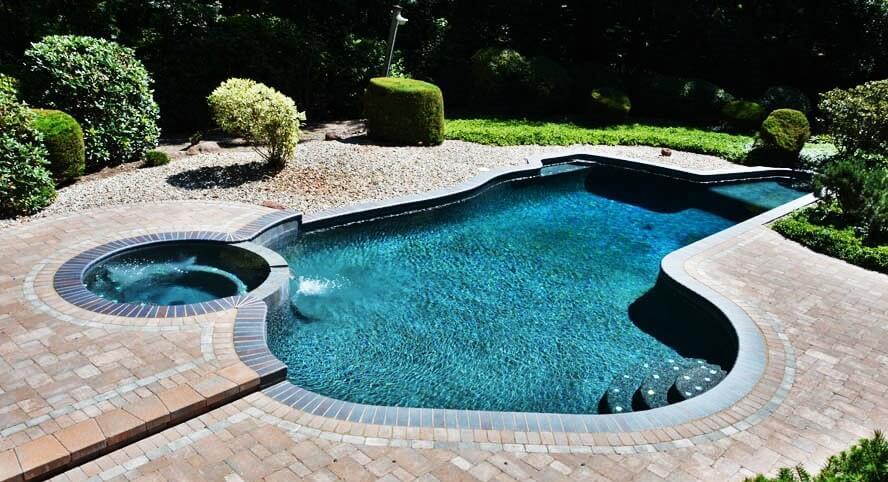
Swimming pools are one of the biggest lifestyle features of Australian homes, but even the best-built pools eventually show signs of wear.
Cracks start forming, the surface gets rougher, the colour fades, tiles pop off, and before long, your once-beautiful pool looks like it’s been through three heatwaves, a storm, and a family Christmas lunch. This is where Pool Renovations come in.
The goal of this guide is simple: to help Australian homeowners understand the most common pool problems, why they happen, and how professional renovations can fix them.
Whether your pool is showing small cosmetic issues or signs of major structural ageing, you’ll see exactly what can be done, how affordable the solutions can be, and how you can extend your pool’s life for years.
Quick Overview: Key Takeaways
Here’s your snapshot summary before we dive deeper:
-
Cracks, discolouration, rough surfaces, and broken tiles are normal signs of pool ageing.
-
Most of these issues can be fixed quickly and affordably through Pool Renovations.
-
Renovations improve safety, longevity, and the overall look of your pool.
-
Modern resurfacing and tiling options make pools look brand new with minimal downtime.
-
Upgrading equipment during renovations helps reduce ongoing maintenance costs.
Want the full breakdown of the most common issues and how to solve them? Keep reading.
Common Pool Problems and How Renovations Fix Them
1. Cracks in the Pool Surface
Cracks are one of the first signs that your pool needs attention. They might look small at first, but they get worse quickly if left untreated.
Why cracks happen:
-
Natural ground movement
-
Ageing concrete
-
Poor original installation
-
High water pressure in certain areas
How pool renovations fix this issue:
-
Structural crack repairs using epoxy injections
-
Re-rendering the interior surface
-
Full resurfacing with pebblecrete, fibreglass, or aggregate finishes
When done right, resurfacing doesn’t just hide cracks—it prevents them from returning.
2. Colour Fading and Surface Stains
If your pool looks like it has two paint jobs fighting each other, you're not alone. Sun exposure, algae, minerals, and general ageing all cause discoloration.
Why colour changes occur:
-
UV exposure
-
Chlorine imbalance
-
Hard water staining
-
Metal contamination from old equipment
Renovation benefits:
-
Restores a fresh, even colour
-
Modern colours and textures upgrade the pool’s overall look
-
Specialty coatings offer better UV resistance
-
Eliminates stains that chemicals can’t remove
Colour change is one of the easiest problems fixed by Pool Renovations, and the transformation is usually dramatic.
3. Rough or Uneven Pool Surfaces
Over time, the interior of a pool becomes rough. Not only does this feel unpleasant, it makes cleaning harder.
Reasons this happens:
-
Worn-out render
-
Old concrete exposure
-
Chemical imbalance damaging the surface
-
Age-related breakdown
Renovation solution:
Resurfacing creates a smooth, comfortable surface that looks and feels new. Options include:
-
Pebblecrete
-
Quartz aggregate
-
Fibreglass resurfacing
-
Polished interiors
A smooth surface also improves water clarity and reduces algae growth.
4. Loose or Cracked Tiles
Tiles popping off is a common issue in older pools, especially around the waterline.
Why tiles start failing:
-
Adhesive fatigue
-
Thermal expansion
-
Pool movement
-
Pressure from waterline buildup
Fixing it through Pool Renovations:
-
Replace individual tiles or the entire band
-
Upgrade to modern waterline mosaics
-
Improve waterproofing behind the tile layer
-
Ensure expansion joints are correctly installed
Even replacing just the waterline tiles can make an older pool look modern.
5. Damaged or Outdated Coping
Coping is the border around the pool, and when it breaks, chips, or shifts, it becomes both a safety hazard and an eyesore.
Why coping deteriorates:
-
Weather exposure
-
Heavy foot traffic
-
Old mortar
-
Ground movement
Renovation solutions:
-
Replace coping with stone, porcelain, or pavers
-
Modernise the pool’s shape visually
-
Improve drainage and slip resistance
Coping upgrades also tie the pool’s design to the entire backyard.
6. Water Loss and Structural Leaks
A leaking pool doesn’t just waste water—it damages the surrounding soil and can lead to major issues.
Warning signs:
-
Rapid water level drop
-
Soggy soil
-
Cracks near plumbing
-
Increased chemical usage
How renovations fix leaks:
-
Pressure testing
-
Repairing plumbing cracks
-
Replacing broken fittings
-
Fully resurfacing or sealing weak areas
7. Inefficient or Failing Pool Equipment
Even if your pool surface looks fine, outdated equipment can make maintenance expensive and frustrating.
Common issues:
-
Noisy or overheating pumps
-
Filters that clog constantly
-
High electricity bills
-
Poor circulation
Renovation upgrades:
-
Energy-efficient variable-speed pumps
-
Cartridge or media filters
-
Salt chlorination systems
-
Automated controllers
Modern equipment makes pool ownership easier and cheaper.
Did You Know?
Interesting Fact: Studies show that a pool with updated interior finishes and clean waterline tiles increases a home’s perceived value by up to 10–15% in Australia. Renovations aren’t just cosmetic—they influence buyer psychology.
Quick Guide: Fixing the Most Common Pool Issues Efficiently
The Situation
Your pool is showing its age—cracks, stains, rough patches, broken tiles, and water loss. It’s still usable, but it’s not the backyard feature it used to be.
Common Challenges
-
Do small cracks keep growing each season?
-
Does the interior feel rough when swimming?
-
Have stains or colour fading become impossible to remove?
How to Solve It
Repair Structural Cracks
Professionals use sealing and reinforcement techniques to stabilise the shell.
Resurface the Pool Interior
Pebblecrete, aggregate, or fibreglass resurfacing renew both durability and looks.
Refresh Waterline Tiles
A new tile band instantly modernises the pool.
Upgrade Equipment Smartly
New pumps, filters, and chlorinators reduce running costs and keep the water clearer.
Why It Works
This combination tackles both aesthetic and structural issues. The pool becomes safer, easier to maintain, and significantly more attractive without requiring a full rebuild.
Interactive Quiz: What Problem Is Your Pool Telling You About?
1. Your pool looks dull or faded.
A. Surface stains
B. UV fading
C.Filtration issues
(Answer: Usually all three. Renovation helps.)
2. Your feet feel scratched after swimming.
A. Rough surface
B. Chemical imbalance
C. Age
(Answer: Rough interior—resurfacing fixes this.)
3. Tiles keep popping off.
A. Weak adhesive
B. Pool movement
C. Heat exposure
(Answer: All contribute. A renovation solves and prevents recurrence.)
How Pool Renovations Improve Long-Term Safety
Beyond aesthetics, renovations increase safety for swimmers of all ages.
Safety improvements include:
-
Smoother surfaces prevent scratches
-
New coping reduces trip hazards
-
Better lighting improves night visibility
-
Leak repair prevents ground erosion
-
Equipment upgrades ensure proper water circulation
A safe pool is a usable pool—and one that increases your home’s value.
How Renovations Reduce Maintenance Costs
Outdated pools cost more to maintain. Renovations introduce technologies and materials that reduce weekly upkeep.
Examples:
-
Salt systems automate sanitising
-
LED lights use less power
-
Modern finishes resist staining
-
Variable-speed pumps reduce electricity usage
-
New filters clear water faster
Renovations pay for themselves through reduced ongoing expenses.
When to Consider Full vs. Partial Renovation
Not all pools need complete overhauls. Knowing the difference saves money.
Choose a partial renovation if:
-
Only waterline tiles are damaged
-
Colour fading is cosmetic
-
Equipment needs replacing but the pool shell is sound
Choose a full renovation if:
-
Cracks are structural
-
The interior surface is severely worn
-
There are leaks in multiple areas
-
Coping is damaged or unstable
Professional assessment helps you decide the smartest approach.
FAQs About Pool Renovations in Australia
1. How long does a typical pool renovation take?
It depends on the size and complexity:
-
Tile repairs: 1–3 days
-
Resurfacing: 1–2 weeks
-
Full renovation: 3–6 weeks
Weather delays are expected, especially during rainy seasons.
2. Can I renovate my pool during winter?
Absolutely. Winter is often the best time because:
-
Contractors are less busy
-
Prices are sometimes lower
-
Your pool is ready for summer
3. How much do common renovations cost?
General estimates include:
-
Resurfacing: $4,000–$12,000
-
Tile replacements: $1,000–$4,000
-
Coping upgrades: $2,000–$8,000
-
New equipment: $600–$3,000
Costs vary with materials and pool size.
4. What finish lasts longest?
Pebblecrete and high-quality aggregate finishes often last 15–20 years with proper care.
5. Does renovating my pool increase property value?
Yes. Updated pools boost curb appeal, reduce maintenance costs, and influence buyer desirability—especially in warm Australian climates.
Conclusion
Pool issues like cracks, rough surfaces, faded colour, or damaged tiles are common as pools age, but they don’t have to take away from your outdoor lifestyle.
Pool Renovations offer practical, cost-effective solutions that restore beauty, safety, and structural integrity. By addressing problems early and choosing upgrades that match your budget, you extend your pool’s lifespan and improve your property’s overall appeal.
Whether you’re preparing for summer, updating an older home, or simply making your pool safer and easier to maintain, smart renovations deliver long-term value and transform your backyard into a refreshed, inviting space.
- Digital Agency
- Literie
- Location de voitures
- Restaurant
- Restaurant
- Mode
- Mode
- Information
- Marketing
- Tourisme
- Développement
- Découverte
- Législation
- Gastronomie
- Pâtisserie
- مناسبة
- Art
- Causes
- Crafts
- Dance
- Drinks
- Film
- Fitness
- Food
- الألعاب
- Gardening
- Health
- الرئيسية
- Literature
- Music
- Networking
- أخرى
- Party
- Religion
- Shopping
- Sports
- Theater
- Wellness
 Arabic
 Indian
 English
 French
 Spanish
 Portuguese
 Deutsch
 Turkish
 Dutch
Dutch
 Italiano
 Russian
 Romaian
 Portuguese (Brazil)
 Greek
Greek
