


Top Benefits of Trigger Point Therapy for Athletes and Gym-Goers
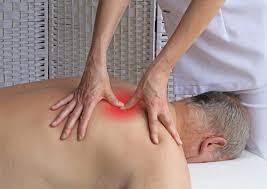
If you train regularly, lift weights, run, play sports, or simply push your body hard, you’ve probably felt that stubborn, sharp, deep ache that stretching never fixes. That “tight spot” that refuses to release. That muscle that feels strong one day and completely switches off the next.
These are classic signs of trigger points — tiny, hyper-irritable spots in the muscle that disrupt movement, performance, and recovery. And this is exactly where Trigger Point Therapy has become a game-changer for athletes and gym-goers across Australia.
This article dives into what makes Trigger Point Therapy so effective, how it works, and why it’s showing up in more training programs, rehab clinics, and sports recovery centres than ever before.
Quick Overview: Why Trigger Point Therapy Works for Active Aussies
Here’s the short version before we break things down:
-
Releases stubborn muscle knots that restrict movement
-
Improves performance by restoring proper muscle activation
-
Reduces pain and prevents small issues from becoming injuries
-
Speeds up recovery after workouts, sports, or heavy lifting
-
Enhances flexibility and mobility
-
Supports better posture and movement patterns
Want to dive deeper? Keep reading!
What Are Trigger Points and Why Do They Affect Athletes More?
Trigger points form when a muscle fibre becomes overloaded, fatigued, or stressed. For active people, the causes are everywhere:
-
Heavy lifting
-
Repetitive movements
-
Overtraining
-
Poor form
-
Bad posture under load
-
Previous injuries
-
Tight fascia
-
Stress or dehydration
A trigger point is like a tiny muscle “hiccup”—a contracted knot that refuses to relax. It can:
-
Reduce strength
-
Limit range of motion
-
Cause sharp or radiating pain
-
Create compensation patterns
-
Affect performance in subtle but important ways
Athletes stack these issues faster due to the physical demands of their training, which makes Trigger Point Therapy incredibly valuable.
How Trigger Point Therapy Works (Explained Simply)
Trigger Point Therapy applies precise pressure over specific points in the muscle to release tension, improve blood flow, and restore normal function.
What happens during a session?
-
The therapist locates a tight, tender spot
-
Applies slow, sustained pressure
-
Holds it until the muscle releases
-
Allows fresh circulation to enter the area
-
Restores optimal muscle length and activation
It’s simple but extremely effective.
Top Benefits of Trigger Point Therapy for Athletes and Gym-Goers
1. Better Muscle Activation and Performance
Tight trigger points can “switch off” muscles. For example:
-
A tight hip flexor reduces glute activation
-
A tight pec reduces shoulder stability
-
A tight calf affects ankle mobility
Athletes notice better strength output and more efficient movement immediately after a trigger point release.
When muscles activate properly, performance improves — instantly.
2. Reduced Pain and Faster Recovery
Trigger points often refer pain to other areas. For example:
-
Neck trigger points can cause headaches
-
Glute trigger points can mimic sciatic pain
-
Upper back trigger points can cause shoulder instability
Trigger Point Therapy reduces these patterns, allowing athletes to recover quicker and train harder — without pushing through pain.
3. Increased Flexibility and Mobility
A muscle filled with trigger points shortens and becomes stiff. This affects:
-
Squats
-
Deadlifts
-
Running mechanics
-
Lifting overhead
-
Rotation and bending
Releasing trigger points restores natural movement. Many athletes are shocked by the difference:
“I didn’t know my body was supposed to move this easily.”
4. Injury Prevention Through Better Muscle Balance
Most sports injuries come from:
-
Overuse
-
Compensation
-
Imbalances
-
Tight, restricted muscles
Trigger Point Therapy helps prevent this by ensuring that muscles:
-
Activate properly
-
Stay balanced
-
Move efficiently
-
Don’t overload neighbouring muscles
A body that moves well is a body that stays injury-free.
5. Improved Posture for Heavy Lifting and Training
Trigger points in the:
-
Chest
-
Upper traps
-
Hip flexors
-
Hamstrings
-
Glutes
…can all distort posture.
Fixing posture = better power output, better form, and fewer injuries during training.
Pro Tip Box: How Athletes Can Maximise Trigger Point Therapy
-
Hydrate well before and after sessions
-
Combine therapy with mobility training
-
Avoid heavy lifting immediately after deep releases
-
Track which areas tighten the fastest
-
Use breathing techniques during pressure holds
Did You Know?
Studies show that releasing trigger points can increase muscle activation by up to 35% in the affected muscles.
How Trigger Point Therapy Helps Common Sports Problems
Here’s where it shines:
1. Shoulder Restrictions (Bench Press, Swimming, Overhead Lifts)
Trigger points in the pecs, lats, and rotator cuff improve:
-
Shoulder mobility
-
Stability
-
Pressing power
2. Hamstring Tightness (Running, Deadlifting)
Often caused by glute dysfunction. Trigger Point Therapy restores balance.
3. Lower Back Tightness
Trigger points in the:
-
QL
-
Glutes
-
Hip flexors
…can all refer pain to the lower back.
4. Shin Splints and Calf Stiffness
Trigger points in the tibialis anterior and calf muscles improve shock absorption and ankle mobility.
5. Hip Tightness
Especially common for cyclists, runners, and squatters.
Quick Guide: When Trigger Points Stop Your Progress
Intro
Most athletes know the frustration of training hard but feeling like your muscles aren’t performing the way they should. Trigger points often go unnoticed until they start affecting your results.
Common Challenges
-
Lifts feel harder than they should
-
Certain muscles fatigue way too fast
-
Tightness doesn’t disappear even with stretching
How to Solve It
Target the real source
Trigger Point Therapy identifies the root cause, not just where the pain shows up.
Restore proper activation
Releasing tight muscle fibres allows weaker muscles to fire again.
Improve movement pathways
Better tissue quality = better mechanics.
Reinforce new muscle patterns
Combine the session with mobility or corrective exercises.
Why It Works
Because improving muscle function impacts strength, endurance, and recovery. When your muscles work together correctly, everything becomes easier — and safer.
Interactive Quiz: Do You Have Trigger Points Holding You Back?
Tick the statements that apply:
❏ I feel “knots” or tight spots that don’t go away
❏ I warm up but still feel stiff
❏ One side feels stronger or weaker than the other
❏ I get sharp or shooting pain during specific movements
❏ Stretching gives only temporary relief
❏ My muscles fatigue early in a workout
❏ I get headaches after upper-body days
3 or more ticks?
Trigger points are likely affecting your performance.
Survey: What’s Your Biggest Training Limitation?
Choose one:
-
Shoulder mobility
-
Hamstring tightness
-
Lower back fatigue
-
Hip stiffness
-
Poor recovery
-
All of the above (the most realistic option)
FAQs About Trigger Point Therapy for Athletes
1. Is Trigger Point Therapy painful?
It can feel intense, but the pressure is controlled and therapeutic. Many describe it as a “good pain” followed by immediate relief.
2. How often should athletes book sessions?
General guidelines:
-
Weekly during heavy training blocks
-
Every 2–3 weeks for maintenance
-
After competitions or big lifts for recovery
3. Does Trigger Point Therapy replace stretching?
No — it enhances it.
Trigger points limit how well stretching works. Once the trigger point releases, stretching becomes far more effective.
4. Can it improve strength?
Indirectly, yes.
When muscles activate fully and move freely, strength output increases.
5. Is it safe before workouts?
Light releases are fine.
Deep releases are better done after training or on rest days.
6. Does it help with delayed onset muscle soreness (DOMS)?
Yes, by improving circulation and reducing tension, which speeds recovery.
Conclusion
Trigger Point Therapy offers powerful benefits for athletes and gym-goers who want to perform better, recover faster, and avoid injuries.
By addressing deeply rooted muscular tension and restoring proper muscle activation, it supports strength, mobility, posture, and long-term athletic progress.
Whether you’re lifting weights, running, training for sport, or simply staying active, this therapy can help you move more efficiently and reduce the risk of strain or overuse.
When combined with smart training habits, hydration, and mobility work, Trigger Point Therapy becomes an essential part of a complete performance and recovery routine.
- Digital Agency
- Literie
- Location de voitures
- Restaurant
- Restaurant
- Mode
- Mode
- Information
- Marketing
- Tourisme
- Développement
- Découverte
- Législation
- Gastronomie
- Pâtisserie
- Etkinlik
- Art
- Causes
- Crafts
- Dance
- Drinks
- Film
- Fitness
- Food
- Oyunlar
- Gardening
- Health
- Ana sayfa
- Literature
- Music
- Networking
- diğer
- Party
- Religion
- Shopping
- Sports
- Theater
- Wellness
 Turkish
 Indian
 English
 French
 Arabic
 Spanish
 Portuguese
 Deutsch
 Dutch
Dutch
 Italiano
 Russian
 Romaian
 Portuguese (Brazil)
 Greek
Greek
