


How to Optimize Costs for China–Pakistan Road Freight
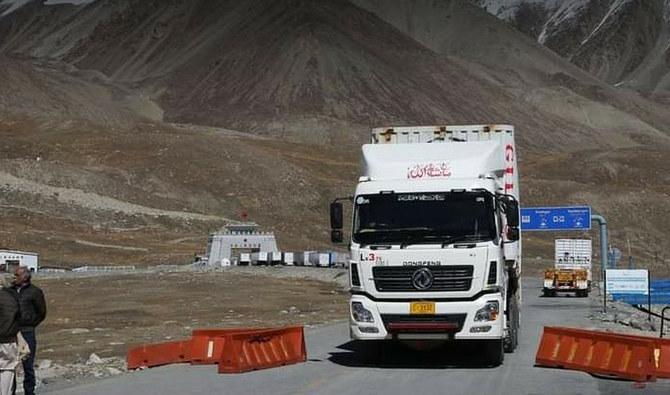
China–Pakistan trade continues to grow rapidly, and road freight has become one of the most efficient logistics options for importers and exporters. While it is faster than sea freight and more affordable than air cargo, many traders still struggle with fluctuating transport rates, customs charges, and hidden logistics expenses.
This guide explains practical, proven strategies to optimize costs and make your road freight China to Pakistan operations more profitable.
1. Choose the Right Freight Mode (LTL vs. FTL)
Full Truck Load (FTL)
Best for large shipments (15–25 CBM):
-
Fastest
-
Lower cost per unit
-
Suitable for bulk or heavy cargo
Less Than Truck Load (LTL)
Ideal for small shipments:
-
You share truck space
-
Perfect for e-commerce and light goods
-
Avoids paying for unused capacity
2. Consolidate Shipments to Lower Rates
Selecting the right mode can save 20–40% of total freight costs.
If you have multiple suppliers in different Chinese cities (Guangzhou, Yiwu, Shenzhen, Shanghai), ship everything to a single consolidation warehouse in Kashgar or Urumqi.
A combined shipment reduces:
-
Transport fees
-
Customs clearance charges
-
Handling costs
E-commerce sellers often save up to 30% by consolidating.
3. Ship During Off-Peak Seasons
Road freight rates increase during:
-
Winter (Khunjerab Pass closures)
-
Chinese holidays (Golden Week, Chinese New Year)
-
Pakistan peak import seasons (Ramadan, Eid, year-end sales)
Shipping 1–2 weeks before these peaks helps you avoid:
-
High trucking rates
-
Delays due to congestion
-
Premium charges by forwarders
4. Optimize Packaging to Reduce Weight & Volume
Road freight costs depend heavily on space (CBM).
Reducing unnecessary carton size or using compressed packaging can significantly lower shipping fees. Make sure your supplier follows:
-
Tight packaging
-
Stackable cartons
-
Palletization only when necessary
-
Vacuum packaging for textiles
A reduction of even 1–2 CBM in volume can cut substantial cost over multiple shipments.
5. Choose Direct Routes to Minimize Transit Time
The most common and cost-efficient route is:
Kashgar → Khunjerab Pass → Gilgit → Islamabad → Lahore → Karachi
Avoid unnecessary detours or secondary routes unless necessary.
Direct routing reduces:
-
Fuel and toll charges
-
Handling fees
-
Risk of damage or delay
6. Avoid Non-Compliance Penalties at Customs
Customs fines and delays add major unexpected expenses. To avoid these:
-
Ensure correct HS codes
-
Verify product compliance (electronics, food items)
-
Prepare accurate commercial invoices
-
Confirm no restricted or banned items are inside shipments
-
Use the exact items and values declared by suppliers
A single customs penalty can cost more than the freight itself—proper documentation prevents this.
7. Get Transparent Freight Quotes
Always request complete freight estimates including:
-
Trucking cost
-
Border clearance fee
-
Port/terminal charges
-
Insurance (if needed)
-
Fuel surcharges
-
Last-mile delivery charges
Many traders only compare base trucking rates—which leads to unexpected add-ons later.
8. Use a Reliable Freight Forwarder with CPEC Expertise
Experienced companies offer:
-
Priority customs clearance
-
Lower consolidation fees
-
Accurate tracking
-
Fewer delays at Khunjerab Pass
-
Guidance on cost control
Cheap forwarders often lack insurance, stable partners, and real consolidation warehouses—resulting in hidden expenses when problems arise.
9. Plan Shipments Around Khunjerab Pass Schedule
Khunjerab Pass typically closes in winter months due to snowfall.
When the border is closed:
-
Rates increase
-
Delays impact supply chains
-
High demand causes premium trucking fees
Plan imports earlier (September–November) to avoid costly disruptions.
10. Buy Cargo Insurance Wisely
Insurance prevents losses from:
-
Road accidents
-
Weather damage
-
Theft
-
Handling mistakes
Choose:
-
Basic insurance for low-value goods
-
Full-value coverage for electronics and machinery
Insurance costs are low but save thousands in case of damage.
Conclusion
Optimizing costs for China–Pakistan road freight is completely achievable with the right planning. By consolidating shipments, choosing the right freight mode, improving packaging, staying compliant with customs, and working with experienced forwarders, traders can save significant money while maintaining fast and reliable delivery.
Efficient planning not only reduces freight charges but also strengthens your overall supply chain and business competitiveness.
- Digital Agency
- Literie
- Location de voitures
- Restaurant
- Restaurant
- Mode
- Mode
- Information
- Marketing
- Tourisme
- Développement
- Découverte
- Législation
- Gastronomie
- Pâtisserie
- Event
- Art
- Causes
- Crafts
- Dance
- Drinks
- Film
- Fitness
- Food
- Παιχνίδια
- Gardening
- Health
- Κεντρική Σελίδα
- Literature
- Music
- Networking
- άλλο
- Party
- Religion
- Shopping
- Sports
- Theater
- Wellness
 Greek
Greek
 Indian
 English
 French
 Arabic
 Spanish
 Portuguese
 Deutsch
 Turkish
 Dutch
Dutch
 Italiano
 Russian
 Romaian
 Portuguese (Brazil)
