


Dead Tooth Filling Explained: Causes and Treatments
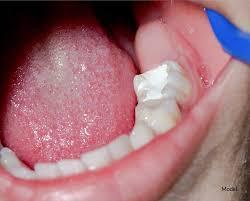
A dead tooth occurs when the dental pulp inside the tooth dies due to infection, trauma, or decay. One of the common ways to restore such a tooth is through Tooth Fillings, which help protect the weakened structure, restore functionality, and prevent further damage. Choosing the right treatment early can preserve your natural tooth and prevent the need for more invasive procedures.
Dead teeth may initially appear harmless, but without intervention, they can lead to serious complications such as abscesses, jawbone deterioration, and severe pain. Understanding the causes and treatments available allows patients to make informed decisions and maintain a healthy smile.
Professional care is essential, and consulting qualified providers like broadway family dentists ensures an accurate diagnosis and a tailored treatment plan. These experts evaluate the tooth's condition, discuss restorative options, and recommend solutions that protect your oral health long-term.
What Is a Dead Tooth?
A dead tooth, also called a non-vital tooth, is one in which the pulp tissue—comprising nerves and blood vessels—has died.
Without a functioning pulp, the tooth cannot heal itself and becomes prone to infection, discoloration, and structural weakness.
Common Causes of a Dead Tooth
-
Severe Tooth Decay – Deep cavities that reach the pulp.
-
Trauma – Accidents or fractures that damage blood supply.
-
Repeated Dental Procedures – Overworked or stressed teeth can lose vitality.
-
Gum Disease – Infections that extend to the tooth root and pulp.
Recognizing Symptoms
-
Discoloration (gray, black, or brown).
-
Pain when chewing or biting, often intermittent.
-
Swelling of the gums or nearby face.
-
Unpleasant taste or odor due to infection.
The Importance of Early Detection
Early diagnosis can prevent infection from spreading to adjacent teeth or jawbone.
Prompt treatment increases the likelihood of preserving the natural tooth while minimizing discomfort and costs.
Treatment Options for a Dead Tooth
Selecting the right treatment depends on the tooth’s condition, degree of damage, and presence of infection.
The primary goals are pain relief, preventing further damage, and restoring functionality.
Root Canal Therapy
Root canal treatment is often the most effective method for saving a dead tooth.
It involves removing dead pulp, cleaning and disinfecting the canals, and sealing the tooth to prevent bacterial growth.
Tooth Fillings After Root Canal
Once the root canal is completed, the tooth often requires Tooth Fillings to restore its shape and strength.
Fillings reinforce the tooth structure and prevent further decay or fracture.
Dental Crowns
For teeth that are severely weakened, a crown may be recommended.
Crowns cover the entire tooth, providing durability, protection, and a natural appearance.
Extraction and Replacement
In cases where the tooth cannot be saved, extraction may be necessary.
Replacement options such as dental implants, bridges, or partial dentures can restore chewing function and aesthetics.
Understanding How Dead Tooth Fillings Work
A filling strengthens a tooth after it has been treated for infection or decay.
It restores normal function, prevents further deterioration, and maintains oral health.
Materials Used for Fillings
-
Composite resin: Tooth-colored and cosmetically appealing.
-
Amalgam: Extremely durable, ideal for back teeth.
-
Glass ionomer: Releases fluoride to protect remaining tooth structure.
Procedure for a Filling
-
Thoroughly clean and disinfect the tooth.
-
Remove decayed or weakened areas.
-
Fill the cavity with the chosen material.
-
Harden the filling using light or chemical bonding methods.
Benefits of Fillings
-
Restores chewing and speaking ability.
-
Protects against additional infection or decay.
-
Maintains natural appearance and tooth function.
Crowns vs. Fillings for Dead Teeth
While fillings work well for minor damage, crowns are often necessary for larger or structurally compromised teeth.
When to Opt for a Crown
-
Tooth is fragile or cracked.
-
Large portion of the tooth was removed during root canal.
-
Aesthetics are important, especially for visible teeth.
Advantages of Crowns
-
Provides full coverage and enhanced strength.
-
Prevents future fractures or breaks.
-
Improves appearance of discolored or damaged teeth.
Maintenance of Crowns and Fillings
-
Brush and floss regularly.
-
Attend routine dental check-ups to monitor stability.
-
Avoid chewing hard foods or objects that could damage restorations.
Signs Your Dead Tooth Needs Attention
Even after treatment, monitoring the tooth is crucial to prevent complications.
Warning Symptoms
-
Swelling, pus, or gum tenderness near the tooth.
-
Increased sensitivity or discomfort when chewing.
-
Tooth feels loose or misaligned in your bite.
The Role of Follow-Up Care
Regular check-ups allow dentists to detect problems early.
X-rays and examinations ensure the tooth remains healthy and stable over time.
Preventing Dead Tooth Complications
Prevention focuses on maintaining strong teeth and detecting issues early.
Daily Oral Hygiene Tips
-
Brush twice daily using fluoride toothpaste.
-
Floss daily to remove plaque and debris.
-
Limit sugary foods and beverages that contribute to decay.
Protective Measures
-
Wear mouthguards during sports.
-
Address cavities or cracks promptly.
-
Schedule regular dental visits for early detection and treatment.
Long-Term Benefits of Treating Dead Teeth Early
Addressing a dead tooth promptly provides multiple benefits.
Prevents Infection Spread
Early treatment reduces the risk of abscess formation and systemic infection.
It protects surrounding teeth and jawbone from potential damage.
Preserves Natural Tooth Structure
Timely intervention can avoid extraction and maintain proper tooth alignment.
This supports optimal bite function and reduces the need for extensive restorations later.
Improves Comfort and Function
Patients experience relief from pain and restored chewing ability.
A restored tooth enables normal daily activities without discomfort or worry.
FAQ About Dead Tooth Fillings
Q1: Can a dead tooth heal without treatment?
A: No. Once the pulp dies, the tooth cannot self-repair.
Professional intervention is necessary to prevent infection and restore functionality.
Q2: How long do fillings last on dead teeth?
A: Fillings may last many years depending on material, location, and oral care.
Crowns provide additional long-term protection.
Q3: Is treatment painful?
A: Modern root canal and filling procedures are generally pain-free.
Slight discomfort may occur, but the procedure relieves chronic pain from the dead tooth.
Conclusion
Dead teeth require timely attention to avoid pain, infection, and long-term complications.
Treatment options include root canal therapy with Tooth Fillings, dental crowns, or extraction when necessary. Early intervention preserves natural teeth, restores functionality, and improves oral health outcomes.
Seeking guidance from experienced professionals like broadway family dentists ensures accurate diagnosis and personalized care. Understanding available treatment options and practicing preventive dental habits allows patients to protect their teeth, maintain a confident smile, and enjoy lasting oral health.
- Digital Agency
- Literie
- Location de voitures
- Restaurant
- Restaurant
- Mode
- Mode
- Information
- Marketing
- Tourisme
- Développement
- Découverte
- Législation
- Gastronomie
- Pâtisserie
- Etkinlik
- Art
- Causes
- Crafts
- Dance
- Drinks
- Film
- Fitness
- Food
- Oyunlar
- Gardening
- Health
- Ana sayfa
- Literature
- Music
- Networking
- diğer
- Party
- Religion
- Shopping
- Sports
- Theater
- Wellness
 Turkish
 Indian
 English
 French
 Arabic
 Spanish
 Portuguese
 Deutsch
 Dutch
Dutch
 Italiano
 Russian
 Romaian
 Portuguese (Brazil)
 Greek
Greek
