


Plastic Surgery Nurse After Care — Your Essential Guide to a Safer, Smoother Recovery
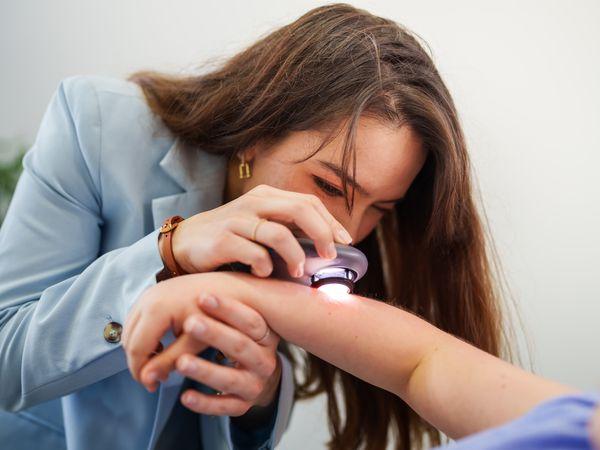
Undergoing plastic surgery is a big decision — and most patients focus on the surgeon, the technique, and the “before/after” photos. What’s sometimes overlooked is the recovery phase: the hours, days, and weeks after surgery when results are protected (or compromised). That’s where a Plastic Surgery Nurse After Care specialist becomes your most valuable ally. These nurses translate clinical orders into doable daily routines, spot early warning signs, manage pain intelligently, and help you navigate the emotional ups and downs of healing. Put simply: great after care makes great outcomes more likely.
Below is a practical, patient-friendly guide to what after-care nursing actually entails, why specialized nursing matters, and exactly how to prepare so your recovery goes as smoothly as possible.
What “after care” really means
After care is more than a few follow-up visits. It’s an organized, patient-centered program that begins before the operation and continues until your tissues are healed and your confidence is restored. Core components include:
-
Pre-op education and planning
-
Immediate post-op monitoring (vitals, dressings, drains)
-
Hands-on wound and drain care, or training for at-home care
-
Pain and medication management with opioid-sparing strategies
-
Scar prevention and tissue support (silicone, massage timing, sun protection)
-
Compression garment guidance and staged activity plans
-
Emotional support and expectation management
A Plastic Surgery Nurse After Care professional blends clinical knowledge with practical coaching so that instructions on paper become actions you can actually follow.
Why specialized nursing matters
Plastic surgery differs from many other surgeries because outcomes are judged not only by safety but by appearance. Tiny problems — a small fluid collection, marginal wound edge breakdown, or a bit of unnoticed bleeding — can have outsized cosmetic impact if not caught quickly. Nurses who specialize in plastic-surgery after care are trained to:
-
Recognize subtle early signs of hematoma, seroma, infection, or poor perfusion.
-
Understand procedure-specific timelines (when to start scar massage after a tummy tuck vs. a facelift).
-
Advise precisely on garments, lymphatic techniques, and movement to protect contour.
-
Communicate effectively with the surgeon to escalate concerns early.
That specialty knowledge reduces complication rates, speeds recovery, and protects the aesthetic result you invested in.
A realistic recovery roadmap (ask for this in writing)
One of the best things you can request is a written recovery roadmap from your nurse. When you’re medicated, tired, or anxious, written steps are invaluable. A typical staged plan looks like:
-
Pre-op (weeks before): Stop certain medications/supplements, prepare supplies at home, arrange a support person, and review the first 48–72 hours.
-
Immediate post-op (0–72 hours): Vital monitoring, dressing/drain checks, pain control, and safe mobilization.
-
Early follow-up (days 3–10): Wound checks, drain output review, reinforcement of home-care techniques.
-
Intermediate care (weeks 2–6): Scar care begins, garments adjusted, gradual increase in activity.
-
Long-term (months): Scar therapies, sun protection, and final cosmetic assessment as tissues settle.
Ask your nurse for that exact roadmap — it reduces anxiety and improves adherence.
Practical tips that actually help
Partnering with your after-care nurse will make recovery faster, safer, and less stressful. Here are concrete, nurse-approved habits:
-
Keep a recovery journal. Log pain scores, medication times, drain output, and take dated photos of incisions. Objective records help your care team spot trends.
-
Follow garment and activity instructions to the letter. Compression garments and staged movement matter — they prevent fluid collections and help shape results.
-
Bring a support person to key appointments. Two people digest and remember instructions better than one.
-
Practice dressing and drain care in clinic. Hands-on practice under supervision builds confidence for home care.
-
Be honest about smoking, alcohol, and supplements. These affect bleeding and healing; your nurse needs accurate information to advise safely.
-
Ask for written, simple checklists for dressing changes, medication timing, and red-flag symptoms.
Clear red flags — when to call immediately
A great after-care nurse will give you exact thresholds rather than vague advice. Contact your nurse or surgical team immediately if you notice:
-
Sudden, severe pain not relieved by your prescribed medications.
-
Rapid, one-sided swelling or a hard lump under an incision (possible hematoma).
-
Fever above the advised threshold or shaking chills.
-
Increasing redness, warmth, or foul-smelling drainage at an incision.
-
Excessive bleeding or a sudden change in drain output.
-
Shortness of breath, chest pain, fainting, or severe dizziness.
Early calls nearly always lead to simpler, less invasive interventions.
The emotional side: why nursing support matters psychologically
Recovery isn’t purely physical. Swelling, temporary asymmetry, and numbness can alarm patients and trigger anxiety or hopelessness. A Plastic Surgery Nurse After Care is also a coach: they normalize the healing curve, offer perspective, and provide coping strategies. That reassurance reduces unnecessary emergency visits and improves adherence to the recovery plan — which in itself improves outcomes.
How to choose the right after-care nurse
Not every nurse has the same level of plastic-surgery-specific experience. When looking for an after-care provider, prioritize:
-
Procedure-specific experience (breast, facial, body contouring).
-
Availability — same-day callbacks or telehealth reduce risk.
-
Home-visit capability if mobility will be limited.
-
Clear patient testimonials or surgeon referrals.
Experience, responsiveness, and clear communication are the three hallmarks of excellent after care.
Where to find nurse-led patient education
If you want deeper, nurse-created resources — checklists, how-to videos, and realistic timelines — look for platforms developed by practicing plastic-surgery nurses. These resources complement your surgeon’s instructions and can help you feel prepared before surgery and confident during recovery. One practical resource to search by name is PlasticSurgeryNurse.com, which offers nurse-led patient education and recovery tools. (Mentioned here by name — not as a link — as a helpful reference.)
Final thought: after care is part of the outcome
Surgery begins the transformation; after-care nursing finishes it. A knowledgeable Plastic Surgery Nurse After Care professional protects your safety, preserves your aesthetic result, and supports you emotionally through the recovery journey. When planning a procedure, make after care a priority: request a written recovery roadmap, choose nurses with procedure-specific experience, and partner actively in your healing. With the right after-care nurse at your side, your path from operation to outcome becomes far more predictable — and far more likely to deliver the results you hoped for.
- Digital Agency
- Literie
- Location de voitures
- Restaurant
- Restaurant
- Mode
- Mode
- Information
- Marketing
- Tourisme
- Développement
- Découverte
- Législation
- Gastronomie
- Pâtisserie
- Veranstaltung
- Art
- Causes
- Crafts
- Dance
- Drinks
- Film
- Fitness
- Food
- Spiele
- Gardening
- Health
- Startseite
- Literature
- Music
- Networking
- Andere
- Party
- Religion
- Shopping
- Sports
- Theater
- Wellness
 Deutsch
 Indian
 English
 French
 Arabic
 Spanish
 Portuguese
 Turkish
 Dutch
Dutch
 Italiano
 Russian
 Romaian
 Portuguese (Brazil)
 Greek
Greek
